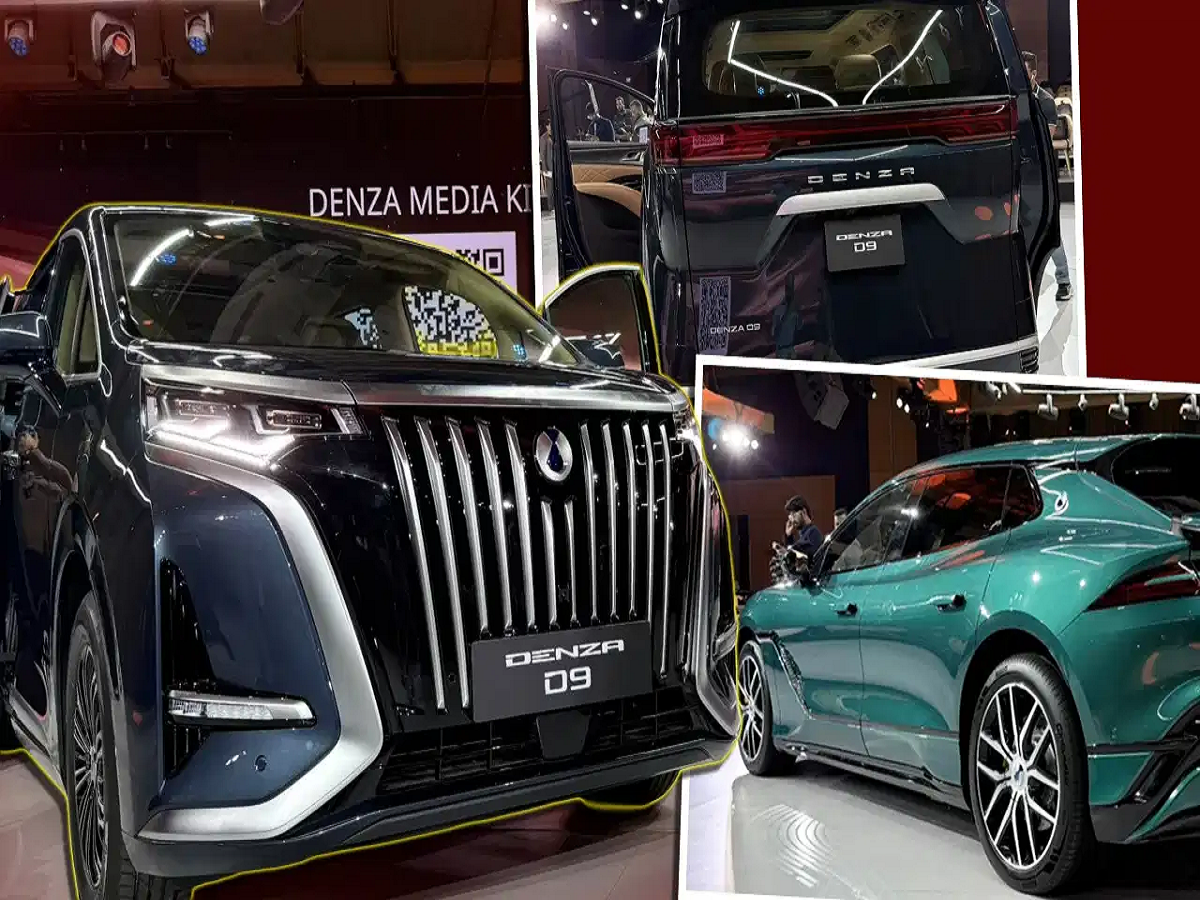
When buying a new car, most people focus on its design, sunroof, touchscreen, cameras and other modern features. Price and mileage are usually among the next things they consider. However, one important factor that often gets overlooked is the engine.
During a visit to a showroom, buyers may come across cars equipped with either a 3-cylinder or a 4-cylinder engine. This often raises questions: Does having more cylinders mean more power? Do 3-cylinder engines deliver better mileage? And which option offers a smoother driving experience?
Let's understand the key differences, along with the advantages and disadvantages of both engine types.
What Is the Difference Between a 3-Cylinder and a 4-Cylinder Engine?
To understand the difference, it's important to know what a cylinder does inside an engine.
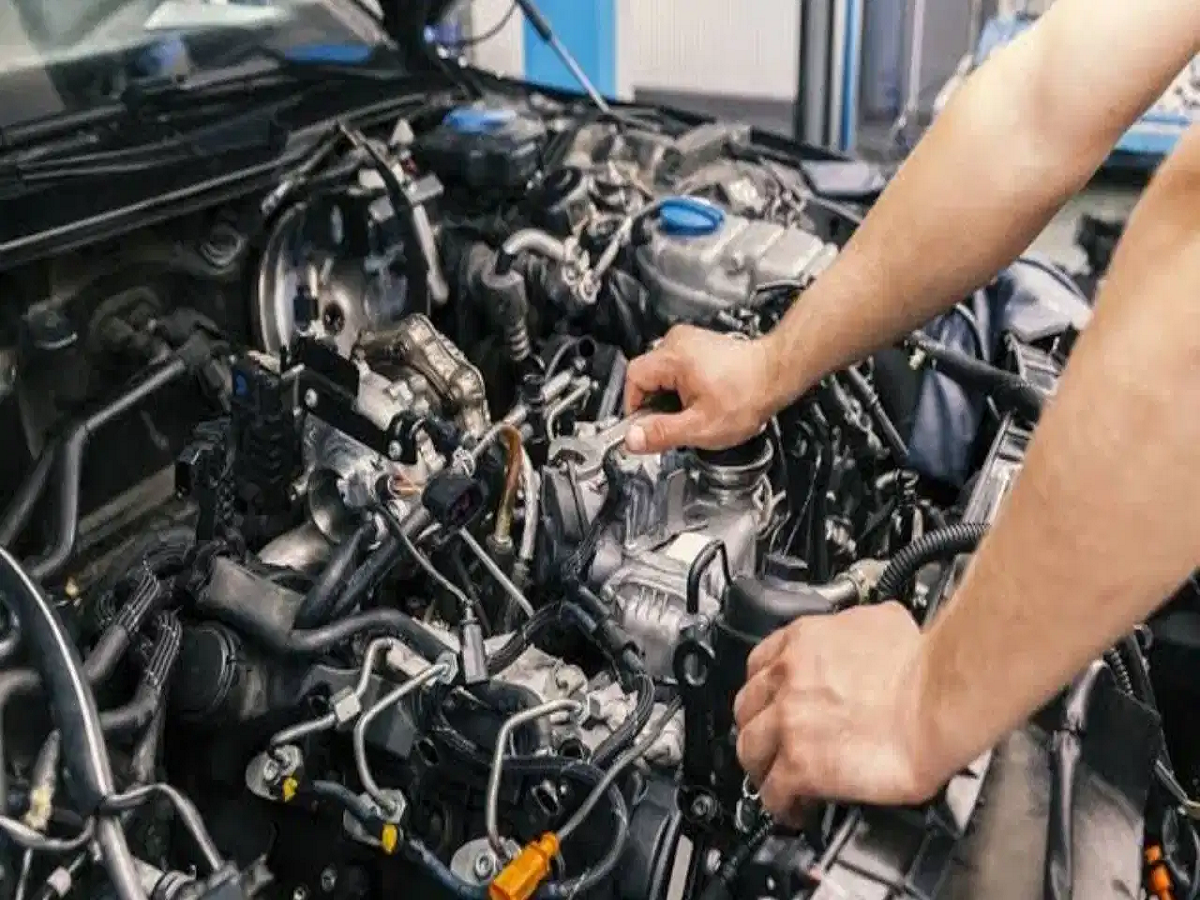
A cylinder is the chamber in which a piston moves up and down. During the combustion process, a mixture of air and fuel burns inside the cylinder, generating the force required to move the vehicle.
A 3-cylinder engine has three cylinders and three pistons, while a 4-cylinder engine has four cylinders and four pistons.
Although the difference is just one cylinder, it can influence several aspects of a car, including engine smoothness, performance, weight, fuel efficiency and manufacturing cost.
Advantages and Disadvantages of a 3-Cylinder Engine
Many budget and mid-range cars in India are equipped with 3-cylinder engines. One of their biggest advantages is their compact size and relatively low weight.
Since these engines have fewer components, they are generally less expensive to manufacture. This helps carmakers keep the overall vehicle price competitive.
A 3-cylinder engine can also deliver good fuel efficiency, particularly in smaller and lighter cars. However, mileage depends on several factors, including engine capacity, vehicle weight, tuning and driving conditions. Therefore, a 3-cylinder engine does not automatically guarantee better mileage.
One of the main drawbacks is that these engines can produce more noticeable vibrations and noise. With three cylinders, maintaining engine balance can be more challenging than with many conventional four-cylinder designs. Drivers may notice vibrations in the cabin or steering wheel, particularly when the engine is idling or under acceleration.
A naturally aspirated 3-cylinder engine may also feel less powerful when the car is fully loaded or driven on steep roads. However, actual performance depends on the engine's design and power output.
Why Are 4-Cylinder Engines Considered Smoother?
If a quiet engine and a comfortable driving experience are your priorities, a 4-cylinder engine may be worth considering.
In a typical four-cylinder engine, the pistons work in a carefully coordinated sequence. This helps improve engine balance and generally reduces vibrations, resulting in smoother power delivery.
Four-cylinder engines can also offer a more comfortable experience during highway journeys, overtaking and driving with passengers or luggage, depending on their power and torque output.
However, they also have certain disadvantages. Having an additional cylinder and more components can increase the engine's weight, complexity and manufacturing cost. In some comparable vehicles, this may also affect fuel consumption and the final price.
3-Cylinder or 4-Cylinder: Which Engine Should You Choose?
There is no universal winner between these two engine types. The right choice depends on your driving habits, budget and performance expectations.
If you primarily drive within the city, have a limited budget and want a compact car with potentially good fuel efficiency, a 3-cylinder engine can be a practical option.
On the other hand, if you frequently travel on highways, prefer smoother engine operation and need strong performance, a 4-cylinder engine may be more suitable.
It's also important to remember that the number of cylinders alone does not determine a car's power or mileage. Engine capacity, turbocharging, tuning, transmission and vehicle weight all play an important role.
Before making a purchase, compare the actual performance, fuel-efficiency figures and driving experience of the specific cars you are considering rather than choosing solely on the basis of cylinder count.