When buying a new car, the top-end variant often looks tempting because of its large touchscreen, sunroof, advanced parking technology and other premium features. These additions can make a vehicle feel more luxurious, but not every feature is equally useful in everyday driving.
Depending on your driving habits, local road conditions and personal preferences, some features may see very little use despite increasing the purchase price. Before spending extra money on a fully loaded variant, consider whether these five features are worth the additional cost.
1. Sunroof
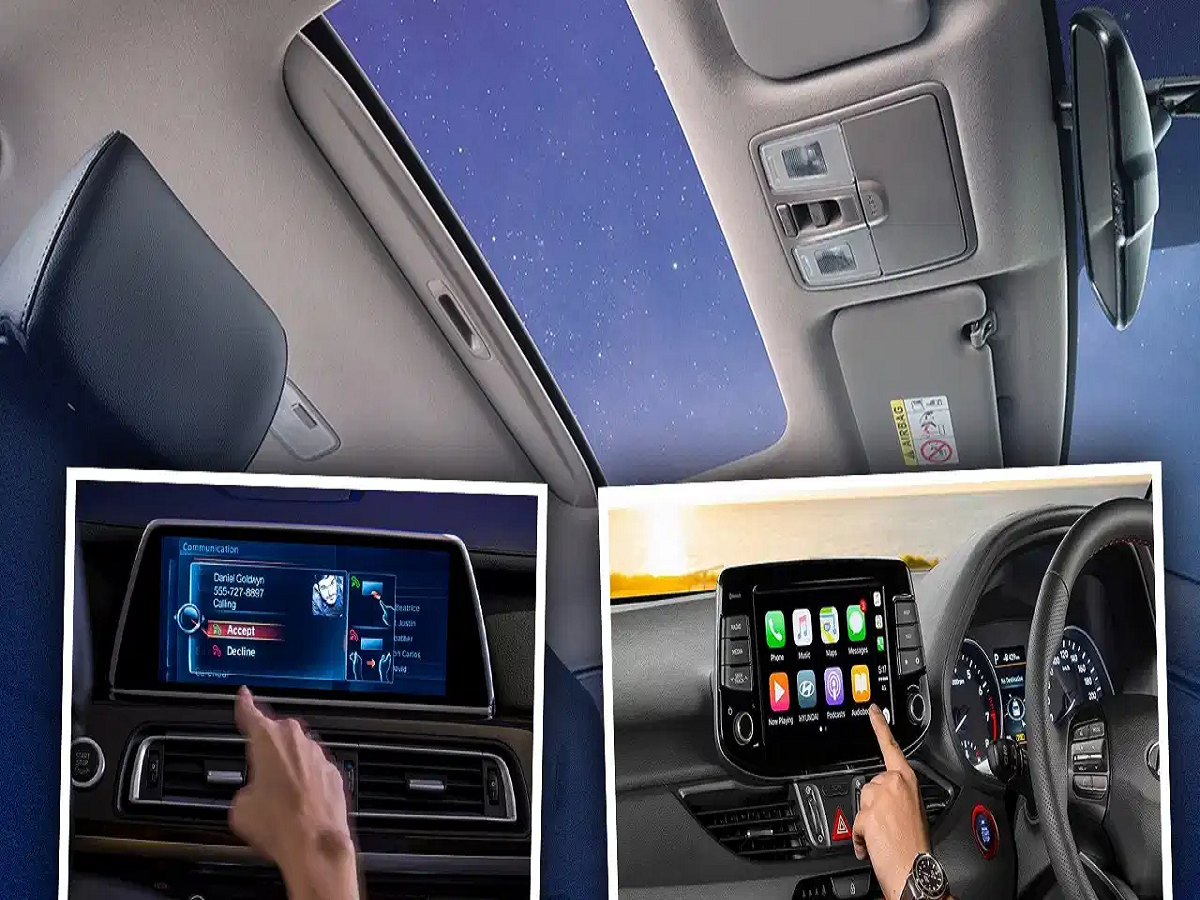
Sunroofs have become increasingly popular among Indian car buyers, with many people choosing them for their appearance and the premium feel they provide.
However, intense summer heat, dust and pollution can limit how often drivers want to open them. Using a sunroof may also allow cooled air to escape from the cabin, potentially increasing the load on the air-conditioning system.
If you mainly drive in city traffic and prefer keeping the cabin cool, a sunroof may not be a priority. However, it can still be useful for ventilation and enjoying pleasant weather when conditions allow.
The important thing is to evaluate whether you will actually use it rather than choosing a higher variant simply for its appearance.
2. Built-In Navigation System
Many premium cars come with an integrated navigation system designed to provide directions directly on the dashboard.
However, some systems may have less convenient interfaces or require map updates to maintain accurate information. Smartphone navigation apps, such as Google Maps, can offer current traffic information and route suggestions.
If your car supports Android Auto or Apple CarPlay, you may be able to access smartphone navigation directly through the infotainment screen, reducing the need for a separate built-in navigation system.
Before paying extra for this feature, check how well the car's navigation works and whether it offers benefits beyond your existing smartphone.
3. Gesture Controls
Gesture control allows drivers to perform certain functions, such as changing music tracks or adjusting volume, using hand movements.
Although the technology can look impressive, some drivers may find conventional steering-wheel buttons or physical controls quicker and easier to operate.
Gesture recognition can also vary depending on the system, and unnecessary hand movements may distract the driver.
If you are considering a car with gesture controls, test the system during a showroom demonstration. Prioritise features that are easy to operate without taking your attention away from the road.
4. Automated Parking Assist
Automated parking assist can help a vehicle identify suitable parking spaces and steer into them, depending on the system's capabilities.
However, parking conditions in crowded Indian markets, narrow streets and tightly packed residential areas can be challenging. Some systems may struggle to identify suitable spaces or require the driver to intervene.
The usefulness of this feature also depends on whether the car offers fully automated parking or simply provides steering assistance.
For many drivers, a good rear-view camera, parking sensors and a clear view around the vehicle may be sufficient. If you frequently struggle with parallel parking, however, automated assistance could be worth considering.
5. Paddle Shifters
Paddle shifters are usually positioned behind the steering wheel and allow drivers to change gears manually in compatible automatic cars.
They can be useful when driving on winding roads, descending steep slopes or seeking greater control over gear selection. They may also appeal to drivers who enjoy a more engaging driving experience.
However, if your daily commute mainly involves stop-and-go traffic, you may rarely use them. Many modern automatic transmissions already select gears efficiently without requiring manual input.
Before choosing a more expensive variant for paddle shifters, consider whether you will use the feature regularly.
How to Decide Which Car Features Are Worth the Money
Instead of automatically choosing the top-end variant, compare the features against your actual driving needs.
-
For daily city driving, prioritise good air-conditioning, parking sensors, a rear-view camera and comfortable seats.
-
For frequent highway travel, consider cruise control, effective headlights, comfortable seating and useful driver-assistance features.
-
For family use, focus on safety equipment, rear-seat comfort, cabin space and practical storage.
-
For technology enthusiasts, advanced infotainment and convenience features may justify the additional cost if you genuinely enjoy using them.
Also compare the price difference between variants rather than looking only at the monthly EMI. A seemingly small increase in instalments can add up to a substantial expense over the loan period.
The Bottom Line
A car with more features is not automatically the best choice for every buyer. Sunroofs, gesture controls, automated parking systems, built-in navigation and paddle shifters can all be useful in the right circumstances, but their value depends on how you drive.
The smartest approach is to test the features, compare the variants and spend money on equipment that improves your comfort, convenience or safety. A well-equipped mid-range car may offer better value than a top-end model filled with features you rarely use.