LIFESTYLE
Air Pollution Alert: Struggling to Breathe in Toxic Air? Doctors Share Important Safety Tips for Children and Elderly People
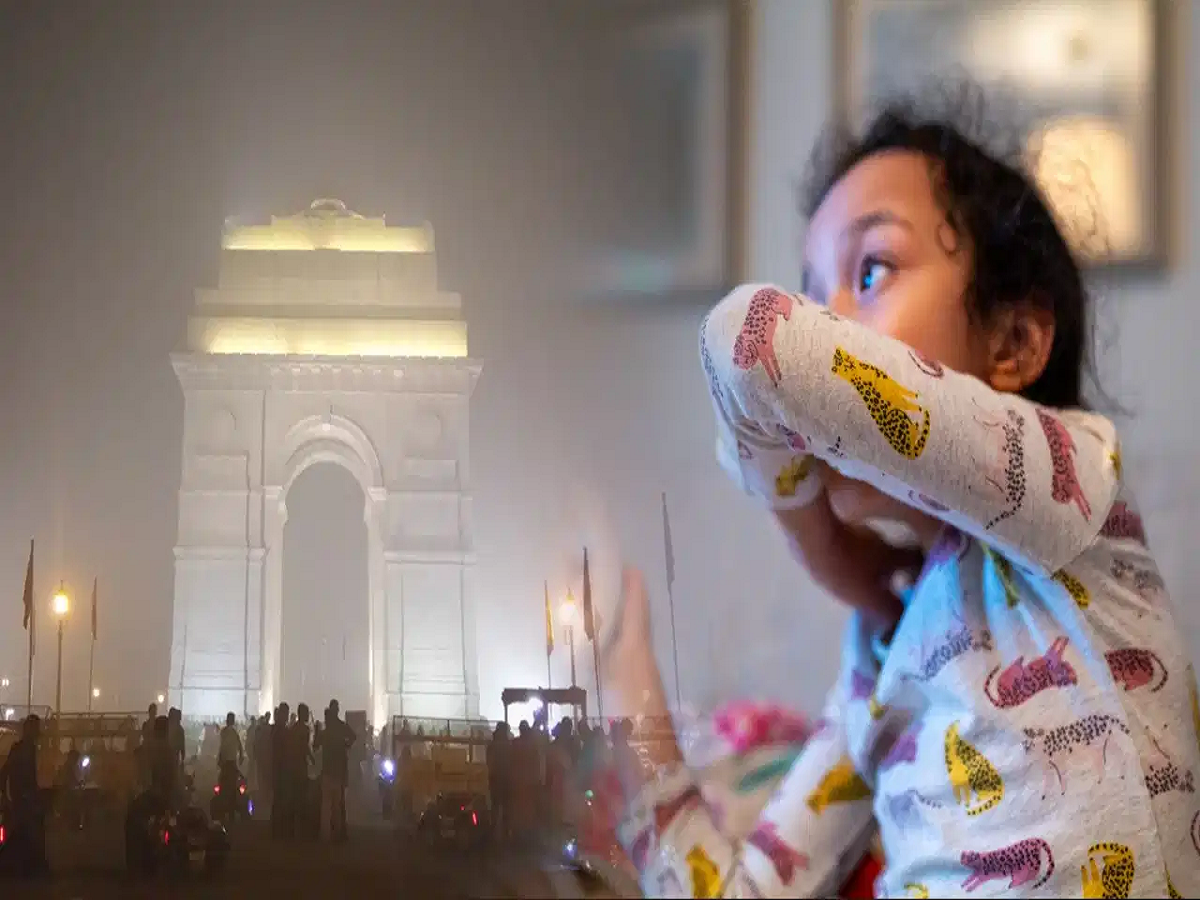
Air pollution has become a growing health concern in several parts of India, particularly following Diwali celebrations. Smoke from firecrackers, vehicle emissions, construction dust and other pollutants can significantly affect air quality, making it difficult for people to breathe comfortably.
The situation is especially concerning for children and elderly individuals, who are more vulnerable to the harmful effects of polluted air. Fine particulate matter such as PM2.5 and PM10 can enter the respiratory system and contribute to inflammation and breathing-related problems.
Prolonged exposure to polluted air can worsen coughing, throat irritation, asthma and other respiratory conditions. People with existing lung or heart diseases may face additional health risks.
So, what precautions should families take to protect children and senior citizens? Here are some important recommendations.
1. What Does a Doctor Recommend for Protection Against Air Pollution?
According to Dr Vikas Mittal, Director of Pulmonology at CK Birla Hospital, people need to take precautions against pollution both outdoors and inside their homes.
Children, elderly individuals and people suffering from asthma, COPD or heart conditions should be particularly careful when pollution levels are high.
If outdoor pollution is entering your home, consider the following measures:
-
Wear a well-fitting N95 mask when going outdoors or when exposure to polluted air cannot be avoided.
-
Keep windows and doors closed during periods of severe outdoor pollution.
-
Use an air purifier equipped with a HEPA filter to reduce airborne particles indoors.
-
Avoid activities that generate smoke inside the house.
-
Monitor local AQI levels before planning outdoor activities.
Remember that a mask is an additional protective measure, not a substitute for reducing exposure to polluted air.
2. Why Are Children More Vulnerable to Air Pollution?
Children are particularly sensitive to air pollution because their lungs and respiratory systems are still developing.
They also tend to breathe faster than adults and may spend more time playing outdoors, increasing their exposure to harmful pollutants.
High pollution levels can trigger or worsen:
-
Persistent coughing and throat irritation.
-
Wheezing and breathing difficulties.
-
Asthma symptoms.
-
Respiratory infections and inflammation.
Parents should avoid taking children outdoors for exercise or playing when air quality is poor. Indoor activities are a safer alternative during periods of severe pollution.
3. Why Should Elderly People Take Extra Precautions?
As people grow older, lung function and the body's ability to respond to respiratory infections can change. This makes elderly individuals particularly vulnerable to polluted air.
Those with existing conditions such as asthma, COPD, high blood pressure or heart disease should be especially cautious.
Here are some precautions senior citizens should follow:
-
Avoid morning and evening walks when pollution levels are particularly high.
-
Stay indoors during periods of severe pollution.
-
Follow prescribed medications and treatment schedules.
-
Avoid exposure to cigarette smoke, incense and mosquito coils.
-
Seek medical advice if breathing difficulties or persistent coughing develop.
Family members should also regularly check on elderly relatives, especially those living alone.
4. How Can You Keep Indoor Air Clean?
Many people assume that staying indoors completely protects them from pollution. However, outdoor pollutants can enter homes through windows, doors and ventilation systems.
Additionally, cooking smoke, incense sticks, candles and tobacco smoke can contribute to indoor air pollution.
To improve indoor air quality, follow these simple practices:
-
Use a HEPA-filter air purifier in frequently occupied rooms.
-
Keep doors and windows closed when outdoor pollution is high.
-
Avoid smoking inside the house.
-
Reduce the use of incense sticks, dhoop and other products that produce smoke.
-
Use kitchen exhaust systems while cooking.
-
Clean floors regularly using wet mopping instead of dry sweeping.
-
Replace or clean air purifier filters according to the manufacturer's instructions.
If you do not have an air purifier, reducing indoor smoke and preventing polluted outdoor air from entering can still help.
5. Which Symptoms Should You Never Ignore?
Exposure to polluted air can cause different symptoms depending on the person's health and the level of exposure.
Watch out for these warning signs:
-
Persistent coughing or wheezing.
-
Unusual breathlessness.
-
Chest tightness or discomfort.
-
Irritation in the eyes, nose and throat.
-
Worsening asthma symptoms.
-
Unusual tiredness associated with breathing difficulties.
If someone experiences severe breathlessness, chest pain, confusion or bluish lips, seek emergency medical assistance immediately rather than waiting for symptoms to improve.
People with existing respiratory conditions should consult their doctors if their symptoms become worse.
Protect Your Family From the Harmful Effects of Air Pollution
Air pollution is not just an outdoor problem. Poor indoor air quality can also affect the health of people who spend most of their time at home.
Children and elderly family members need additional protection during periods of high pollution. Monitoring AQI levels, limiting outdoor exposure, maintaining clean indoor air and seeking timely medical attention can make a meaningful difference.
Remember, protecting your family's respiratory health should be a priority, particularly when pollution levels rise after festivals and during the winter season.