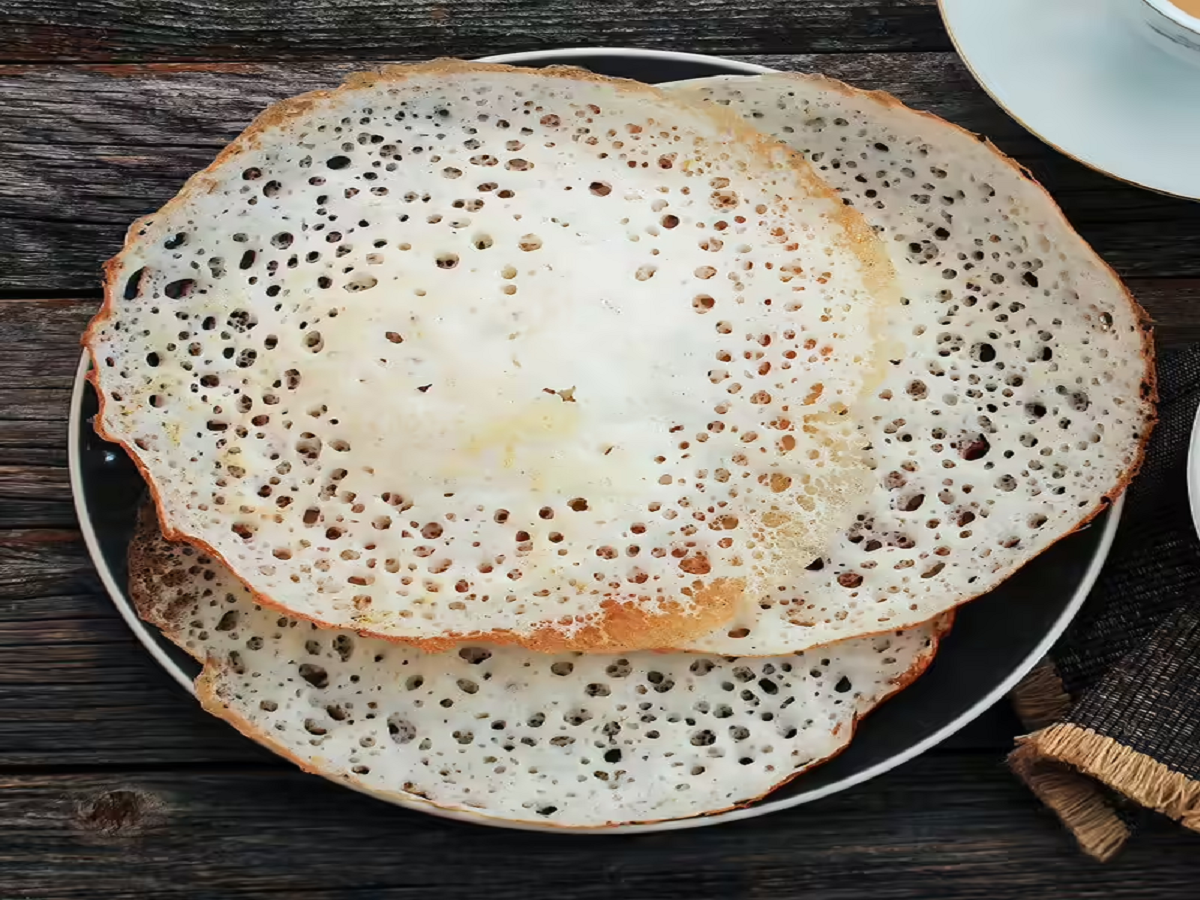
India’s culinary heritage is rich and diverse, with each region offering distinctive flavors and traditional dishes. Among South India’s most loved delicacies, appam holds a special place. Popular in Kerala and Tamil Nadu, this dish is cherished for its unique texture, mild flavor, and cultural significance.
A Unique Texture and Taste
Appam is known for its soft and fluffy center combined with thin, crisp edges. Light on the stomach yet satisfying, it is often enjoyed as a wholesome meal. Its subtle taste pairs beautifully with a variety of accompaniments, enhancing the overall dining experience.
Cultural and Historical Significance
Appam is more than just a dish—it reflects the culinary traditions of South India. With rice and coconut being staple crops in the region, this recipe evolved naturally from locally available ingredients. Over time, it has become an integral part of daily meals as well as festive occasions, symbolizing togetherness and tradition.
Ingredients Required
To prepare appam, you will need:
- 2 cups raw rice
- 1 cup coconut milk
- ½ teaspoon salt
- ½ teaspoon sugar (optional)
- ½ teaspoon dry yeast (or fermented batter alternative)
- Water as needed
Preparing the Batter
Start by soaking the rice for 4–5 hours. Drain the water and grind the rice into a smooth batter using coconut milk and a little water. The consistency should be slightly thinner than dosa batter.
Next, activate the yeast by mixing it with a small amount of lukewarm water and sugar. Let it rest for a few minutes until it becomes frothy. Add this mixture to the batter, along with salt, and mix well.
Cover the batter and allow it to ferment in a warm place for 8–10 hours or overnight. Proper fermentation is key to achieving soft and fluffy appams.
Cooking the Appam
Heat an appam pan (or a small wok-shaped pan) and lightly grease it. Pour a ladleful of batter into the center and gently swirl the pan to spread the batter along the sides. This creates thin edges and a thicker center.
Cover the pan and cook on medium heat for a few minutes. The edges will turn crisp while the center remains soft and spongy. There is no need to flip the appam.
Serving Suggestions
Serve appam hot with vegetable stew, coconut milk-based curries, or even sweetened coconut milk. Its mild flavor complements both savory and sweet dishes.
A Perfect Blend of Health and Tradition
Appam is not only delicious but also light and easy to digest. Made from natural ingredients like rice and coconut, it reflects the simplicity and richness of South Indian cuisine. Whether prepared for a festive occasion or a regular meal, appam continues to be a timeless favorite across households.