If you regularly use plastic bottles for drinking water, juices, or soft drinks, it may be time to stop. New research published in RSC Publishing has raised serious concerns about the health risks linked to reusing or frequently consuming beverages from plastic bottles.
The study found that these bottles release nanoplastic particles — extremely tiny fragments that can damage the stomach, intestines, and even blood cells.
What the research found
Researchers observed that:
• Millions of people use plastic bottles daily, often reusing them multiple times.
• Over time, these bottles release microscopic particles — nanoplastics — into the liquid they hold.
• These tiny plastic particles harm stomach cells and weaken the protective lining of the intestines.
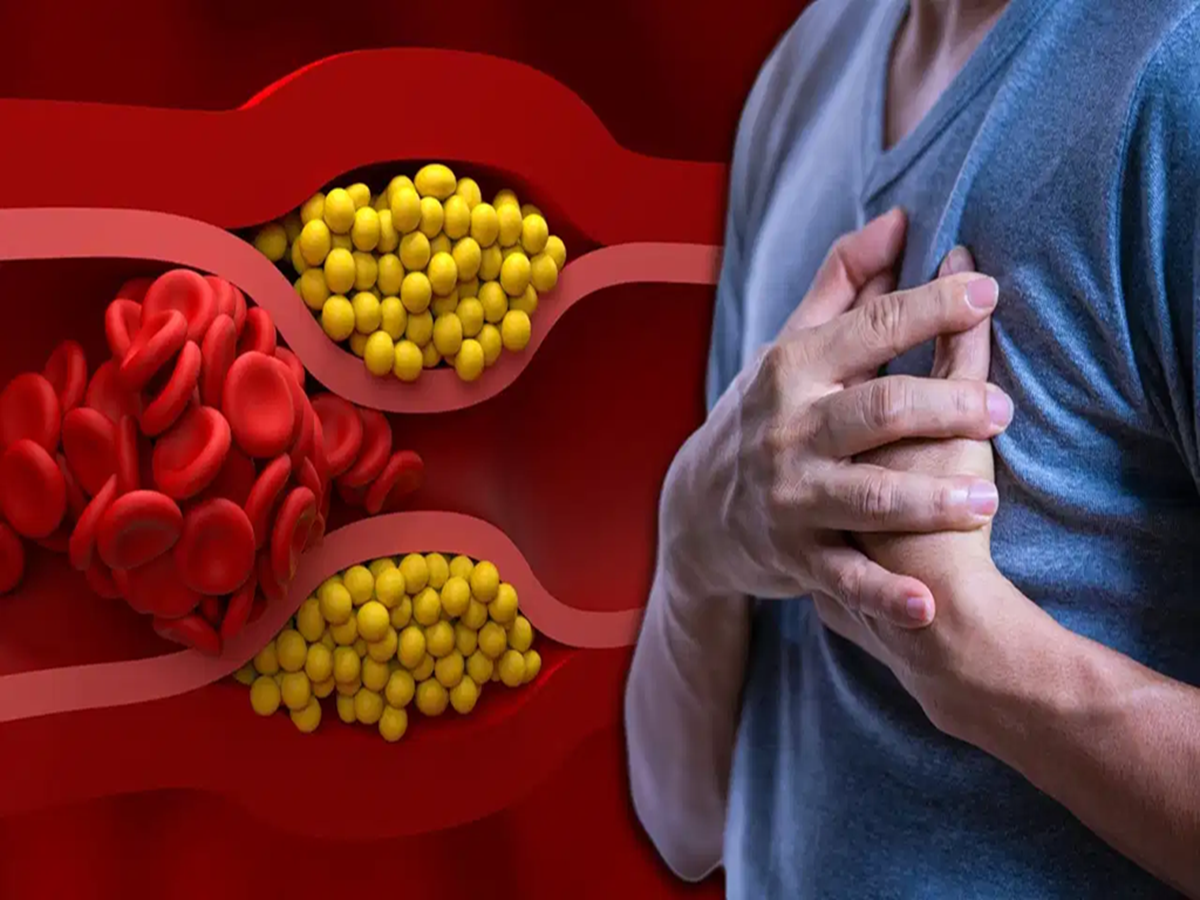
• Nanoplastics also attack red blood cells, leading to inflammation in the body.
How plastic bottles become harmful
Plastic bottles deteriorate when exposed to heat, sunlight, or repeated use. As they start to break down:
• The plastic fragments become smaller and smaller until they turn into invisible nanoplastics.
• These particles dissolve easily in water.
• When you drink from such bottles, the particles enter your digestive system.
• They disturb the natural good bacteria in your gut, leading to indigestion, gas, and stomach discomfort.
The danger doesn’t stop at the stomach
The research shows that after entering the body:
• Some nanoplastics move into the bloodstream.
• They start affecting organs like the kidneys and liver.
• Prolonged exposure increases the risk of inflammation and long-term health problems.
Where nanoplastics were detected
The study detected harmful particles in:
• household-use plastic bottles
• packaged water bottles
• plastic bottles used for soft drinks and juices
• reusable bottles that people carry daily
This highlights how plastic pollution is no longer an environmental problem alone — it has become a human health issue, especially in cities where bottled water consumption is high.