LIFESTYLE
Baisaran Valley Closed After Attack: How Tourists Used to Reach ‘Mini Switzerland’ and What It Cost
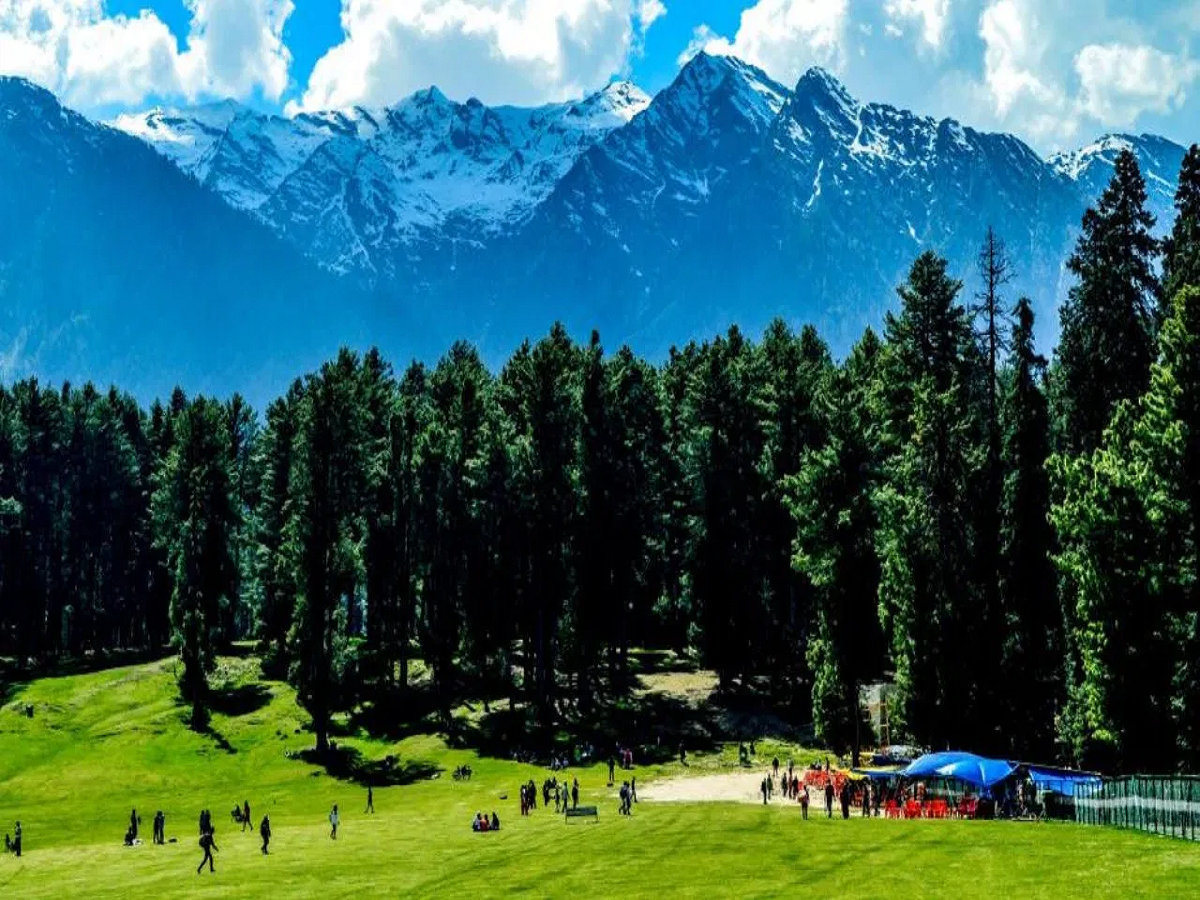
The serene beauty of Baisaran Valley, often called the “Mini Switzerland of India,” has been overshadowed by a tragic past. Located near Pahalgam, this picturesque destination witnessed a deadly terror attack on April 22, 2025, where several tourists lost their lives. Since then, security concerns and infrastructure challenges have significantly impacted tourism, and currently, the valley remains closed as authorities work on making the route safer and motorable.
Before the closure, Baisaran was one of the most loved spots in Kashmir, known for its vast green meadows, dense pine forests, and peaceful atmosphere. Tourists from across India visited for its scenic charm and calm surroundings, but reaching the valley required a bit of effort, which added to its adventurous appeal.
For travelers coming from Delhi, the quickest option was to take a flight to Srinagar, which typically took around 1.5 hours. Airfares generally ranged between ₹5,000 and ₹7,000 depending on the time of booking and season. From Srinagar, one had to travel to Pahalgam by road, a journey of approximately 2.5 to 3 hours, with taxi fares usually costing ₹3,000 to ₹4,000. Shared cabs were also available for those looking to reduce costs.
A more economical but time-consuming alternative was to travel by train from Delhi to Jammu, followed by a road journey to Srinagar and then onward to Pahalgam. While this route was cheaper, it required more planning and travel time.
The final leg of the journey from Pahalgam to Baisaran Valley was the most distinctive. Located about 4–5 kilometers uphill, the valley was earlier accessible only by trekking or by hiring ponies and mules. The cost for a pony ride generally ranged between ₹1,200 and ₹1,400 per person, depending on the season and demand. This scenic stretch through pine forests and open meadows was often considered the highlight of the entire trip.
At present, authorities are working to convert this route into a motorable road to improve safety and accessibility. Until these developments are completed, Baisaran Valley remains closed to tourists, leaving many to wait for the day when they can once again experience its unmatched natural beauty.