AUTO
Bajaj Auto Gears Up for Mass-Market Electric Bike by FY28, Eyes Bigger EV Push Amid Rising Competition
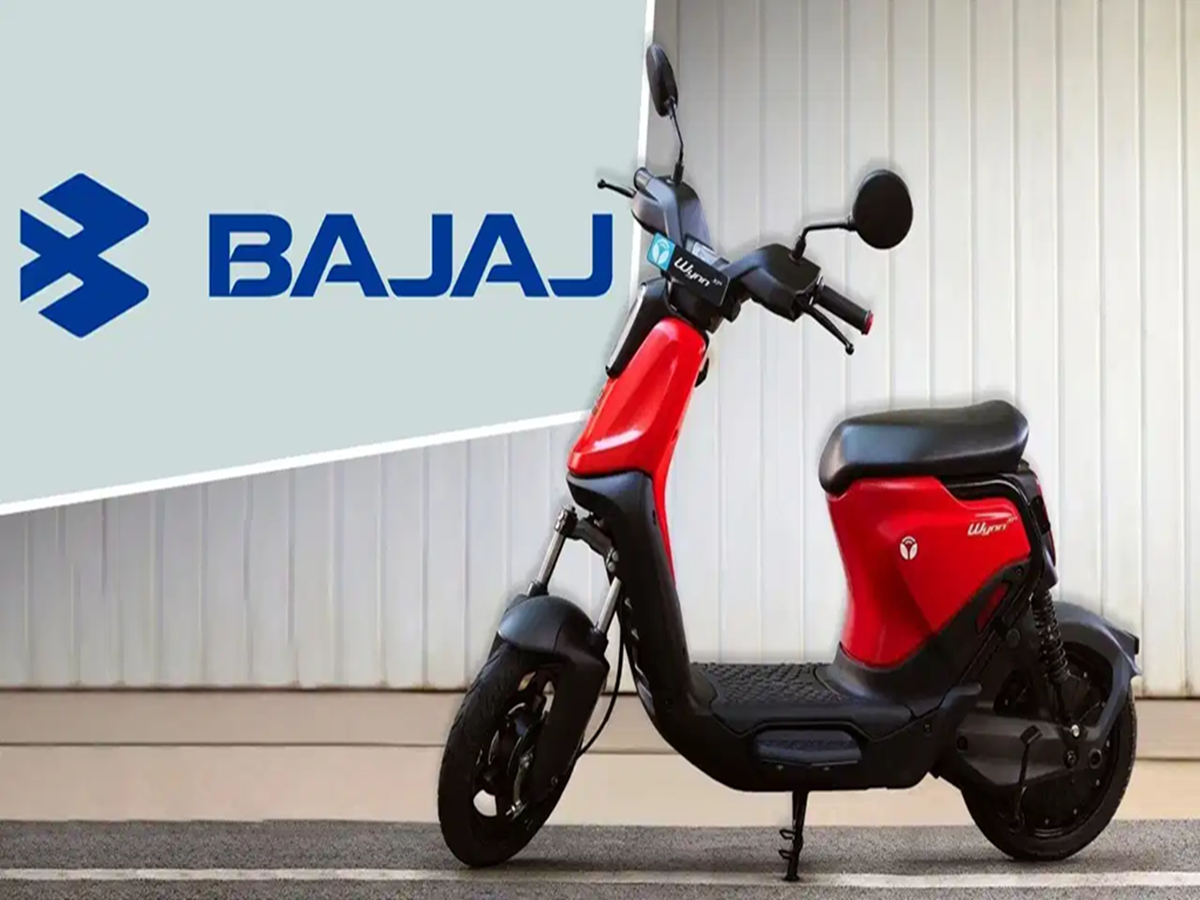
Bajaj Auto is preparing to strengthen its position in India's fast-growing electric vehicle market with plans to launch its first mass-market electric motorcycle by the financial year 2027-28 (FY28). The move is expected to intensify competition in the electric two-wheeler segment, where companies such as Ola Electric, Ather Energy, TVS Motor, and Hero MotoCorp are already expanding their presence.
According to Bajaj Auto Chief Financial Officer Dinesh Thapar, development of the company's electric motorcycle is progressing steadily. If everything goes according to plan, the new model will debut during FY28. The company is expected to introduce the motorcycle in select international markets first, followed by its launch in India.
The upcoming electric motorcycle is part of Bajaj Auto's broader strategy to expand its electric mobility portfolio. Along with electric bikes, the company plans to strengthen its presence in electric scooters, electric three-wheelers, and e-rickshaws, aiming to cater to different customer segments as demand for EVs continues to rise.
The timing of the announcement is significant. Several states, including Delhi, are proposing policies to accelerate the adoption of electric vehicles. The draft Delhi EV Policy 2.0, for instance, proposes phasing out the registration of new petrol and CNG two-wheelers from April 1, 2028, although the policy is yet to be finalised. Such measures could further boost demand for electric motorcycles in the coming years.
To support its future growth, Bajaj Auto is also planning a substantial expansion of its manufacturing capacity. The company aims to increase its overall production capacity by around 20%. The first phase will add approximately 10% capacity over the coming months, followed by another 10% expansion by the end of the financial year. The increased capacity will support the production of motorcycles, commercial vehicles, and electric vehicles.
Bajaj is also scaling up production of its popular Chetak electric scooter. Monthly production capacity is expected to increase from 50,000 units to 60,000 units, while production capacity for electric three-wheelers and commercial vehicles is planned to grow by nearly 50% to meet rising market demand.
The company's expansion plans are backed by strong financial performance. In the first quarter of FY2026-27, Bajaj Auto reported a 46% year-on-year increase in consolidated net profit, reaching ₹3,225.63 crore. During the same period, two-wheeler sales rose by 11%, crossing 6.34 lakh units.
Bajaj Auto has also stated that its electric vehicle business has become profitable, providing the company with greater confidence to invest in new products and technologies. Alongside its EV expansion, the company plans to introduce updated models in the 125cc to 160cc motorcycle segment, strengthening its conventional two-wheeler lineup as well.
With a profitable EV business, expanding manufacturing capacity, and plans for a mass-market electric motorcycle, Bajaj Auto is positioning itself as a major player in India's electric mobility future. As competition in the EV space continues to intensify, consumers can expect more choices, improved technology, and better value in the years ahead.