LIFESTYLE
Brain Tumor Drug: Brain tumors virtually disappear in just 5 days, the wonder of CAR-T cell therapy, learn about it
Brain Tumor Drug: Scientists at the Mass General Cancer Center in the US have shown hope for treating the highly aggressive brain cancer glioblastoma with a new CAR-T cell therapy. In the Phase 1 clinical trial, INCIPIENT is scheduled to begin in 2024…
Brain Tumor Drug: Scientists at the Mass General Cancer Center in the US have shown hope for treating the highly aggressive brain cancer glioblastoma with a new CAR-T cell therapy. The first three patients enrolled in the Phase 1 clinical trial INCIPIENT, conducted in 2024, showed significant changes in tumor size.
The research, published in the prestigious journal The New England Journal of Medicine, tested a new T-cell therapy called CARv3-TEAM-E, specifically designed for patients with relapsed glioblastoma.
CAR-T therapy involves altering a patient’s own immune cells in the lab to fight cancer. This technique has previously been successful in blood cancers, but has been difficult to implement in solid tumors such as brain cancer. This new technique combines CAR-T with specific antibodies (TEAMs) to simultaneously target different types of cancer cells. The drug is injected directly into the brain, making its effect more potent.
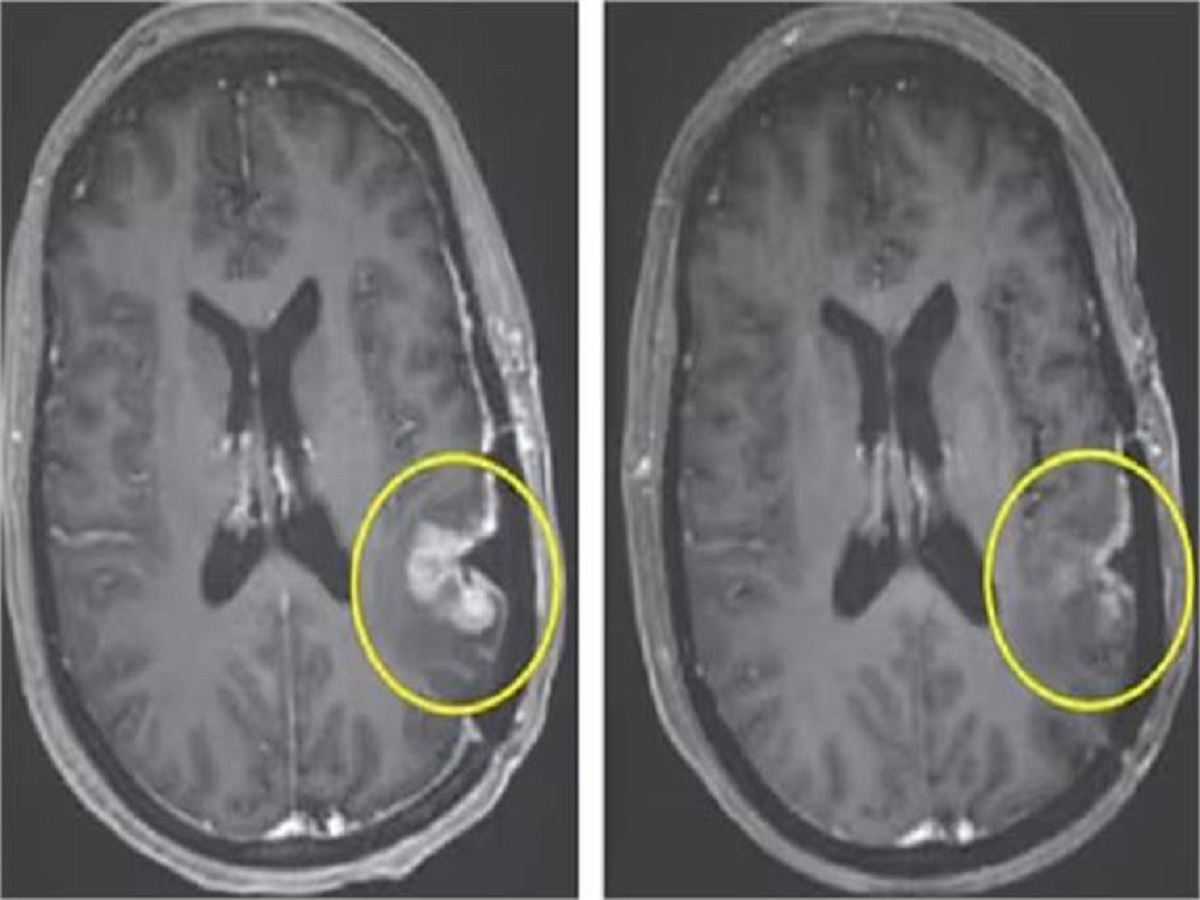
The trial involved three patients, aged 57 to 74, who had already received treatments such as radiation and chemotherapy. Within just a few days of treatment, these patients experienced rapid tumor reduction. One patient experienced almost complete tumor reduction, another maintained a more than 60 percent reduction for more than six months, and a third patient experienced almost complete tumor shrinkage within just five days.
Although some common side effects, such as fever and mental status changes, were observed after treatment, the patients tolerated them well and were discharged after observation in the hospital. Despite the initial positive results, the tumors in all three patients recurred over time. This is believed to be due to the CAR-TEAM cells not remaining active in the body for long periods.
The research team is now working on ways to make this therapy effective over time, including repeated doses or pre-preparing the body with chemotherapy.
This study represents a major step toward bringing lab-based discoveries to patients. While this treatment isn’t yet completely successful, scientists believe it lays a strong foundation for future treatments for difficult-to-treat brain cancers.