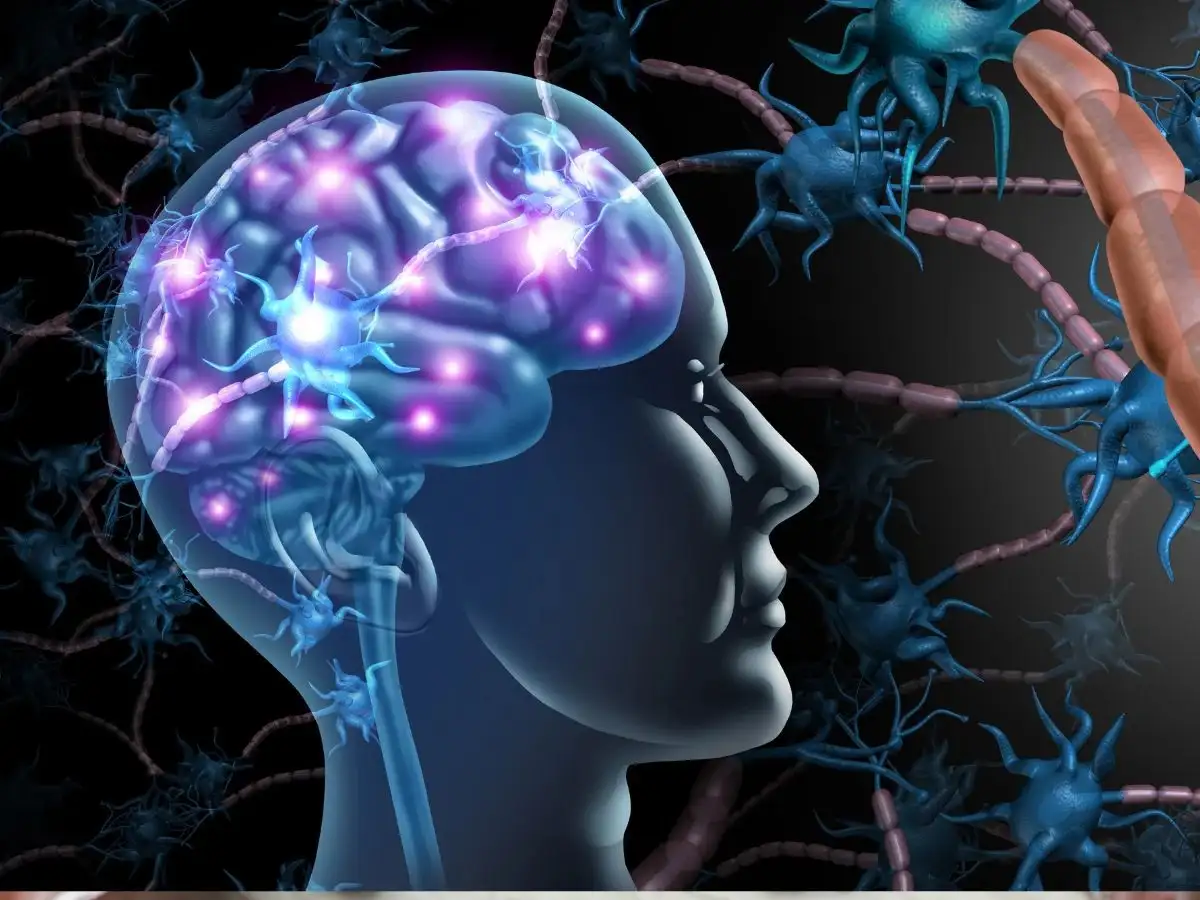
Health Tips: The idea of a "brain detox" has gained popularity in recent years, with many products and wellness trends claiming to cleanse or reset the brain. However, neurologists say there is no scientific evidence that any drink, supplement, or therapy can detoxify the brain. Instead, maintaining good brain health depends on healthy daily habits that support memory, focus, and overall mental well-being.
The brain is one of the body's most complex and vital organs. It naturally performs many maintenance functions on its own, including clearing metabolic waste during sleep through systems such as the glymphatic system. Rather than looking for a quick "brain detox," experts recommend focusing on a balanced lifestyle that promotes long-term brain function.
What Does "Brain Detox" Really Mean?
According to neurological experts, brain detox does not mean removing toxins with a special product or treatment.
Instead, it refers to habits that help the brain function efficiently by:
-
Reducing stress
-
Improving sleep quality
-
Supporting memory and concentration
-
Maintaining emotional well-being
-
Promoting overall brain health
Prioritize Quality Sleep
Sleep plays a crucial role in brain health.
Experts recommend:
-
Sleeping 7–9 hours each night for most adults.
-
Maintaining a consistent sleep schedule.
-
Creating a quiet and comfortable sleep environment.
During sleep, the brain consolidates memories, processes information, and clears certain waste products. Chronic sleep deprivation has been linked to poor concentration, impaired decision-making, and mood changes.
Practice a Digital Detox
Excessive screen time can contribute to mental fatigue and reduce attention span.
Simple ways to reduce digital overload include:
-
Taking regular breaks from smartphones and computers.
-
Limiting unnecessary social media use.
-
Reading a book instead of scrolling before bedtime.
-
Spending time outdoors.
-
Enjoying hobbies that do not involve screens.
Reducing continuous digital stimulation may help improve focus and reduce stress.
Eat a Brain-Healthy Diet
Nutrition plays an important role in supporting cognitive function.
Experts recommend including:
-
Green leafy vegetables
-
Fresh fruits
-
Whole grains
-
Lean protein sources
-
Nuts such as almonds and walnuts
-
Healthy fats, including omega-3-rich foods
-
Plenty of water throughout the day
A balanced diet supports brain function far better than unproven "detox" products.
Stay Physically Active
Regular exercise benefits both physical and mental health.
Aim for at least 30 minutes of moderate physical activity most days of the week.
Activities such as:
-
Walking
-
Cycling
-
Swimming
-
Yoga
can improve blood flow to the brain, reduce stress, and support cognitive health.
Manage Stress Effectively
Long-term stress can affect memory, concentration, and emotional well-being.
Healthy stress-management strategies include:
-
Meditation
-
Deep breathing exercises
-
Yoga
-
Spending time in nature
-
Connecting with family and friends
-
Engaging in enjoyable hobbies
Managing stress consistently is an important part of maintaining a healthy brain.
Take Regular Breaks
Working continuously for long periods can lead to mental fatigue.
Experts suggest:
-
Taking a 5–10 minute break every few hours.
-
Stretching or walking briefly.
-
Looking away from screens periodically.
-
Maintaining a healthy work-life balance.
Short breaks can help improve productivity and reduce mental exhaustion.
Be Cautious of "Brain Detox" Claims
Neurologists emphasize that no medication, drink, supplement, or detox therapy has been scientifically proven to instantly cleanse or detoxify the brain.
Consumers should be cautious of products that promise:
-
Instant memory improvement
-
Complete brain detoxification
-
Rapid cognitive enhancement without scientific evidence
If you experience persistent memory problems, confusion, severe stress, or other neurological symptoms, consult a qualified healthcare professional rather than relying on unverified treatments.
The Bottom Line
Your brain already has natural systems that help maintain its health. The most effective way to support brain function is through adequate sleep, a nutritious diet, regular exercise, stress management, limited screen time, and consistent healthy habits. There is no shortcut or miracle product that can replace these evidence-based lifestyle practices.
Disclaimer: This article is for informational purposes only and should not be considered medical advice. If you have ongoing memory issues, cognitive concerns, or neurological symptoms, seek evaluation from a qualified healthcare professional.