AUTO
Can Your Connected Car Be Hacked? OTA Software Updates Bring Convenience—but Also New Cybersecurity Risks
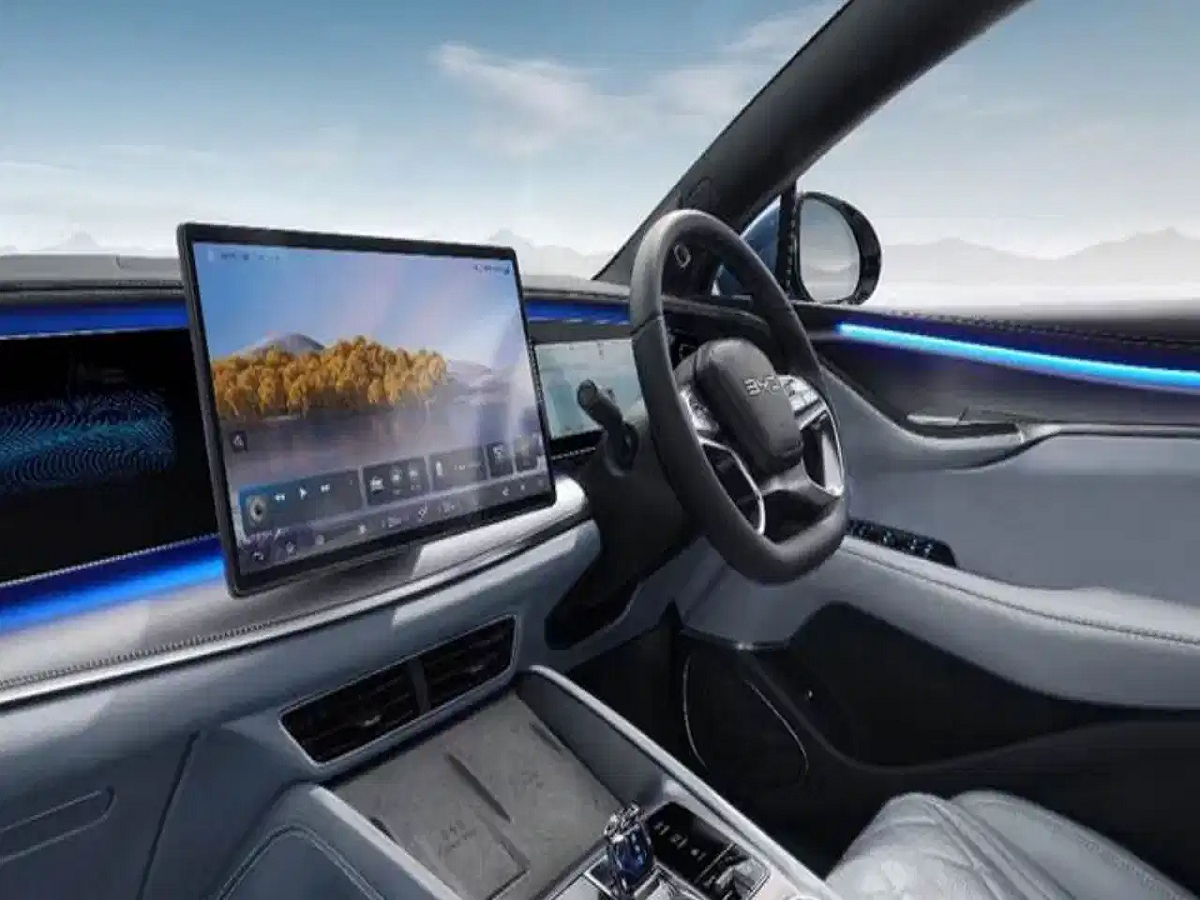
Modern cars are becoming increasingly connected, with software now playing a major role in everything from infotainment systems to vehicle performance. One of the biggest innovations in recent years is Over-the-Air (OTA) software updates, which allow manufacturers to update a vehicle's software remotely through an internet connection—eliminating the need for many service center visits.
While this technology offers greater convenience, cybersecurity experts say it also introduces new security challenges that cannot be ignored.
What Are OTA Updates?
Over-the-Air (OTA) updates work much like software updates on smartphones. Instead of taking a vehicle to a dealership for every software improvement or bug fix, manufacturers can send updates directly to the car via the internet.
Tesla popularized this feature in its vehicles, and today many automakers are incorporating OTA technology into their connected cars to deliver:
- Software bug fixes
- Performance improvements
- Security patches
- New digital features
- Infotainment updates
Why Are OTA Updates Becoming Popular?
The biggest advantage of OTA technology is convenience. Vehicle owners can receive software improvements without scheduling a workshop visit, saving both time and maintenance costs.
Manufacturers also benefit by rolling out updates to thousands of vehicles simultaneously, allowing them to improve customer experience more efficiently.
Can Connected Cars Be Targets for Cyberattacks?
Experts caution that any internet-connected device—including connected vehicles—can become a potential target for cybercriminals if security measures are inadequate.
Potential cybersecurity risks include:
- Unauthorized access to vehicle software
- Theft of personal or vehicle-related data
- Attempts to exploit software vulnerabilities
- Tampering with connected digital systems
The actual level of risk depends on the vehicle's design, security architecture, encryption, and the safeguards implemented by the manufacturer.
Why Cybersecurity Matters
As vehicles become more software-driven, cybersecurity has become a critical focus for the automotive industry. Security researchers and governments continue to evaluate potential risks associated with connected vehicle technologies.
According to media reports, investigations in some countries have examined whether certain connected vehicle systems could theoretically be accessed remotely under specific conditions. These discussions have highlighted the importance of strong cybersecurity standards, though they do not necessarily indicate that consumer vehicles are routinely vulnerable to remote control by hackers.
How Automakers Help Protect Vehicles
To reduce cybersecurity risks, manufacturers typically implement multiple layers of protection, including:
- Encrypted software updates
- Secure authentication systems
- Digital signatures to verify updates
- Regular security patches
- Continuous monitoring for vulnerabilities
Owners are also encouraged to install official software updates promptly, as these often include important security improvements.
The Future of Connected Cars
OTA technology is expected to play an even bigger role as vehicles become increasingly connected and software-defined. Future cars will likely receive more frequent feature upgrades and performance improvements without requiring a dealership visit.
However, as connectivity grows, cybersecurity will remain equally important. Continuous software maintenance, secure update systems, and industry-wide security standards will be essential to keeping connected vehicles safe.