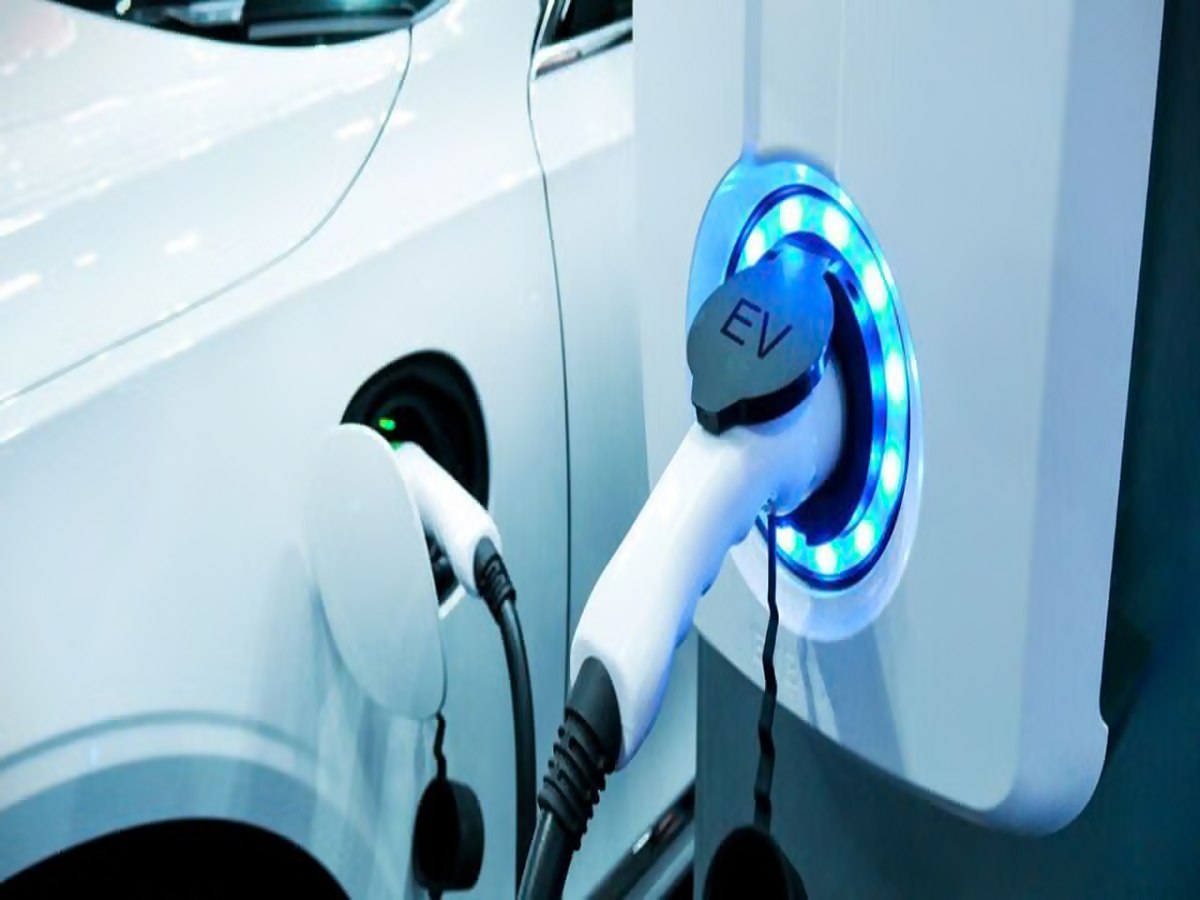
Electric vehicles are becoming increasingly popular, but owning one also comes with the responsibility of maintaining its battery. Since the battery determines an EV's driving range, performance and long-term usability, following the right charging habits is essential. One question that often confuses EV owners is whether they should charge their vehicle to 100% every day or stop at 80%.
The answer largely depends on the type of battery used in the vehicle. While most electric vehicles use lithium-ion battery technology, different battery chemistries have different charging requirements. Understanding these differences can help you maintain battery health and avoid unnecessary degradation.
Why Is Charging Up to 80% Recommended?
For electric vehicles equipped with Nickel Manganese Cobalt (NMC) batteries, maintaining a daily charging limit of around 80% is generally recommended.
Keeping an NMC battery at 100% charge for extended periods can increase stress on its cells, potentially accelerating battery degradation. Over time, this may reduce the battery's ability to hold energy, affecting the vehicle's driving range.
For people who primarily use their EVs for office commutes, shopping and everyday travel, an 80% charge is often sufficient. This charging habit can help reduce unnecessary battery stress and support long-term battery health.
Does Charging an EV to 100% Damage Its Battery?
Charging an electric vehicle to 100% occasionally does not automatically damage its battery. In fact, a full charge can be useful before a long journey when you need the maximum possible driving range.
However, regularly charging an NMC battery to 100% and leaving the vehicle parked for several hours or days can accelerate battery ageing.
There is another factor to consider: regenerative braking. When an EV battery is nearly full, it has limited capacity to accept additional energy generated during braking. As a result, regenerative braking may become less effective until the battery charge drops.
Therefore, avoiding unnecessary full charges can be beneficial, particularly when you do not need the additional driving range.
What About Electric Vehicles With LFP Batteries?
The charging recommendation can be different for electric vehicles equipped with Lithium Iron Phosphate (LFP) batteries.
Unlike NMC batteries, some LFP battery manufacturers and vehicle companies recommend charging the battery to 100% periodically. This helps the Battery Management System (BMS) calibrate its state-of-charge estimates and provide more accurate information about the remaining battery capacity.
However, this does not mean that every LFP battery should necessarily be charged to 100% every day. Charging recommendations vary between manufacturers and individual vehicle models.
EV owners should therefore check their vehicle's owner's manual or follow the charging guidelines provided by the manufacturer.
5 Simple Tips to Improve Your EV Battery Life
Apart from maintaining the right charging limit, a few everyday habits can help protect your electric vehicle's battery:
-
Avoid frequent deep discharges: Try not to let your battery repeatedly drop to extremely low levels.
-
Don't leave it fully charged for too long: Particularly with NMC batteries, avoid keeping the vehicle at 100% charge for extended periods.
-
Be careful in extreme temperatures: Excessive heat can accelerate battery degradation, especially when the battery is already at a very high or low charge level.
-
Use fast charging wisely: Frequent high-power DC fast charging can generate additional heat and may accelerate degradation under certain conditions.
-
Follow manufacturer recommendations: Charging limits and battery maintenance requirements differ between NMC and LFP batteries.
Final Verdict: Should You Charge Your EV to 80% or 100%?
There is no universal charging rule that applies to every electric vehicle. For most NMC-powered EVs, keeping the daily charging limit around 80% is a sensible approach, while charging to 100% before longer journeys is perfectly reasonable.
For LFP-powered vehicles, periodic full charging may be recommended to maintain accurate battery charge readings.
Ultimately, the best way to extend your EV battery's lifespan is to understand its battery chemistry, avoid unnecessary charging extremes and follow the manufacturer's guidelines.