As temperatures rise, dehydration, fatigue, and heat stress become common. That’s why many people add chia seeds to water, smoothies, or curd—they’re cooling, filling, and nutritious.
According to nutrition sources like Healthline, chia seeds are rich in:
-
Omega-3 fatty acids
-
Protein
-
Dietary fiber
-
Calcium, magnesium, iron
-
Phosphorus, manganese, selenium
They support heart health, weight management, and blood sugar control.
But experts say certain people should avoid or strictly limit them.
People Who Should NOT Eat Chia Seeds
1. People with kidney disease
According to nutrition expert Dr. Shikha Sharma, chia seeds are high in phosphorus.
-
In kidney disease, excess phosphorus can worsen the condition
-
It may disturb calcium balance and strain kidney function
➡️ If you have kidney failure or chronic kidney disease, avoid chia seeds unless a doctor allows them.
2. People taking blood thinners
Chia seeds contain:
-
Omega-3 fatty acids (natural blood thinners)
-
High fiber (can affect absorption of medicines)
If you’re taking:
-
Aspirin
-
Warfarin
-
Other anticoagulants
➡️ Chia seeds may increase the risk of excessive bleeding.
3. People with IBS or sensitive digestion
Chia seeds are extremely high in fiber.
For people with:
-
IBS (Irritable Bowel Syndrome)
-
Chronic bloating
-
Gas or abdominal pain
Chia seeds can cause:
-
Severe bloating
-
Cramps
-
Excess gas
➡️ In IBS, high-fiber foods like chia can worsen symptoms.
4. People with seed or nut allergies
Though rare, chia seeds can trigger allergic reactions such as:
-
Itching or swelling
-
Breathing difficulty
-
Digestive upset
➡️ Anyone with known seed or nut allergies should avoid them.
Important safety tip (even for healthy people)
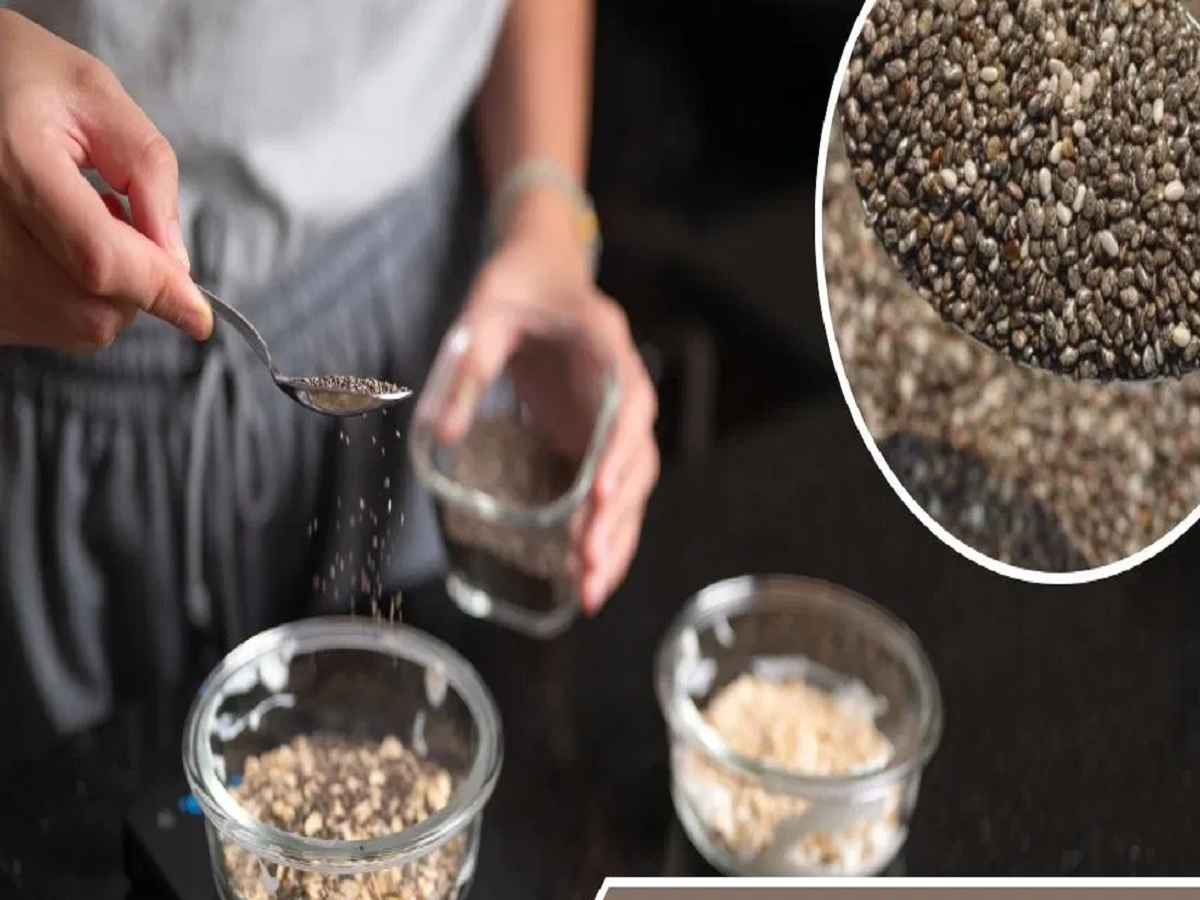
Never eat dry chia seeds directly.
They absorb up to 10–12 times their weight in water, which can:
-
Cause choking
-
Lead to food pipe blockage
✔️ Always soak them in water for at least 20–30 minutes.