The Meteorological Department has issued a cold wave alert, prompting AIIMS doctors to issue a health warning. The cold can be harmful for heart, lung, diabetes, and kidney patients ... read more
The Meteorological Department has issued a cold wave alert. The severe cold not only increases chills but can also be fatal for heart, lung, diabetes, and kidney patients. Whether children or the elderly, cold waves affect them the most.
In such a situation, AIIMS's specialist doctors have issued a health alert on Monday. Doctors have given strict instructions to keep salt intake low, drink plenty of water, walk at the right time and not be careless about medicines during the cold wave.
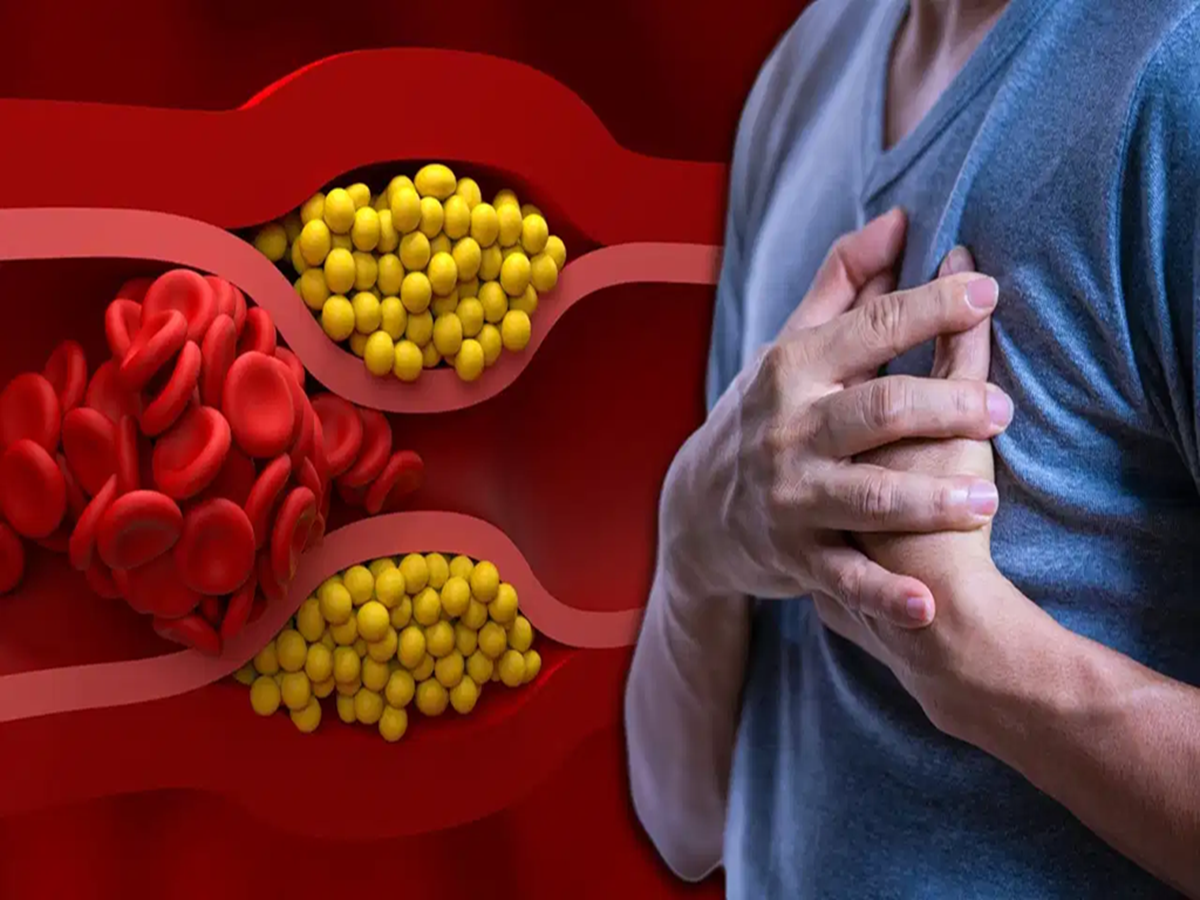
AIIMS cardiologist Dr. Rajiv Narang says that the blood vessels of the body shrink in the cold. This can cause a sudden increase in blood pressure, which increases the risk of heart attack many times. If you notice chest tightness, shortness of breath, sudden fatigue or swelling in the legs, then do not ignore it at all.
Avoiding salt, pickles, papad, and processed foods is crucial during winter. Drinking too little water can also be dangerous, as it thickens the blood and increases pressure on the heart. Check your blood pressure daily. Elderly people may experience problems due to their habit of going for morning walks.
Go outside only when the sun is shining. Doctors suggest that a light walk in the afternoon, before lunch, is the safest. If the pollution is high, avoid going outside. Most importantly, never skip your blood pressure medication or other regular medications.
Patients with lung, asthma, and COPD are at increased risk.
According to Dr. Sanjeev Sinha of the Department of Medicine at AIIMS Delhi, cold air constricts the airways. This can worsen the discomfort of asthma and COPD patients. If you experience cough, phlegm, difficulty breathing, or frequent infections, be alert immediately. Cover your nose and mouth when going out, wear multi-layered clothing, and drink warm liquids like soup or tea.
Diabetes and kidney patients should also take care
AIIMS Professor Rajesh Khadgawat says that the cold shouldn't be an excuse for laziness. Light walking, indoor yoga, or stretching are essential daily. Fried and high-salt foods can be harmful. Regular monitoring of blood sugar and kidney function becomes even more important during the winter.
Pay more attention to children and the elderly
Dr. Rakesh Lodha, a pediatrician at AIIMS, explains that young children and underweight babies are more susceptible to cold. Keep the head, ears, and chest covered. If the child appears lethargic or has difficulty breathing, don't delay. Dr. Abhijit Rao, a geriatric medicine professor, says that cold and pollution pose a double threat for the elderly and asthma patients, so don't neglect medication and follow-up.
PC:Jagran