LIFESTYLE
Delhi’s Evening Air Turning More Toxic Than Morning Hours, New Study Warns of Daily Lung Damage
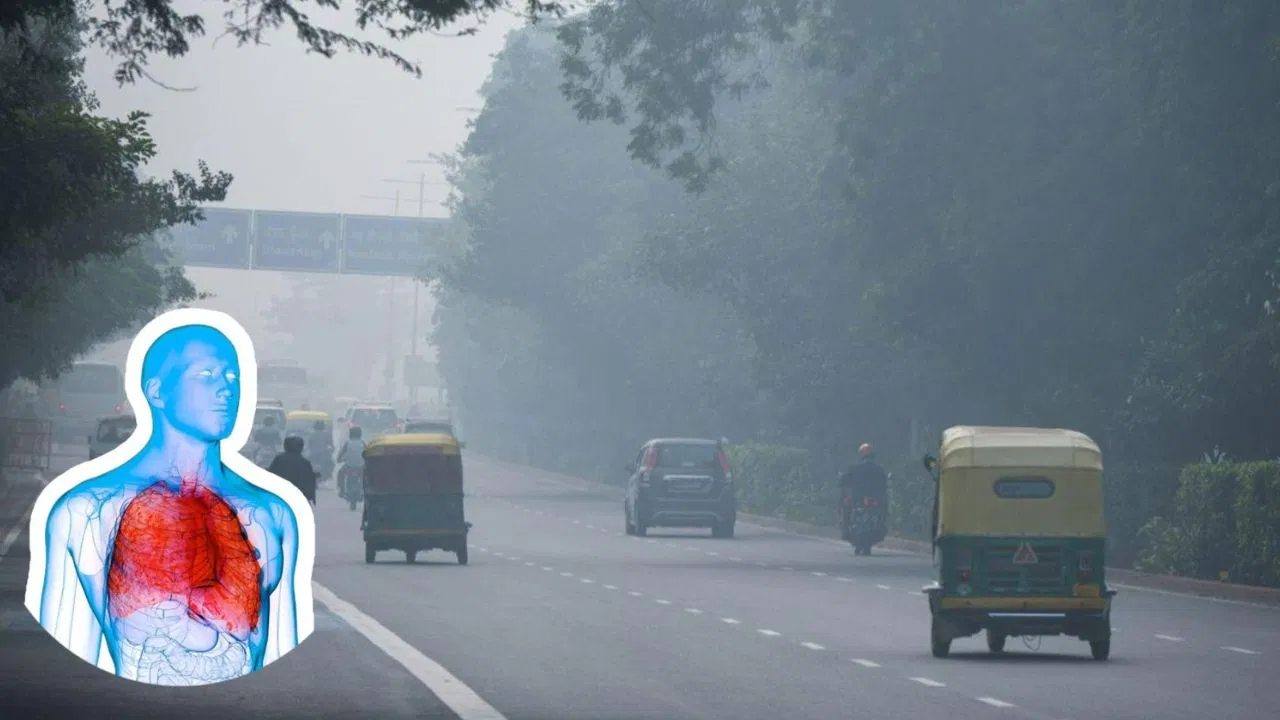
A new five-year study has revealed that Delhi’s air is significantly more polluted in the evening compared to the morning. The research, conducted jointly by Netaji Subhas University of Technology and AARC Engineers & Consultants India, found that concentrations of PM2.5 and PM10 rise sharply during evening hours. This means commuters are exposed to the most harmful pollutants while returning home from work — a risk that could weaken the lungs day after day.
The findings highlight that routine daily activities in highly polluted cities can quietly damage respiratory health. Here’s what the study shows, why evening air is more dangerous, and who faces the greatest risk.
Why Is Evening Pollution More Harmful for the Lungs?
According to the study, air quality deteriorates fastest in the evening due to a combination of pollution sources and weather conditions. Heavy traffic, vehicular emissions, dust, and smoke from industrial units increase sharply after sunset.
Additionally, evening weather conditions — such as low wind speed and cooler temperatures — trap pollutants closer to the ground. As a result, fine particles enter the respiratory system more easily.
This makes evening commuters more vulnerable to:
-
Breathing difficulties
-
Cough and wheezing
-
Burning sensation in the throat
-
Worsening of asthma or bronchitis
-
Long-term decline in lung capacity
Prolonged exposure to this pattern of pollution can lead to chronic respiratory issues and compromised immune response.
Who Is at Higher Risk During Evening Travel?
Those who regularly travel between late afternoon and night breathe in the highest amount of toxic particles. People particularly at risk include:
-
Motorbike, auto-rickshaw, and bus commuters
-
Children and older adults
-
Pregnant women
-
Individuals with asthma, COPD, heart disease, or weakened immunity
-
Workers who pass through industrial, factory, or densely commercial zones
For these groups, daily exposure can intensify existing health issues and trigger new respiratory complications.
Essential Preventive Measures
To reduce the impact of toxic evening air, experts recommend:
-
Wearing an N95 or high-grade protective mask during evening commutes.
-
Avoiding travel during peak pollution hours whenever possible.
-
Using an air purifier at home — especially in bedrooms used by children or elderly family members.
-
Washing hands, face, and exposed skin thoroughly after returning indoors.
-
Seeking medical advice if symptoms such as persistent cough, breathlessness, chest tightness, or asthma flare-ups occur.