TECH
Elon Musk's Big Prediction: AI and Robots Could Replace Human Workers! Will People Eventually Work Only for Fun?
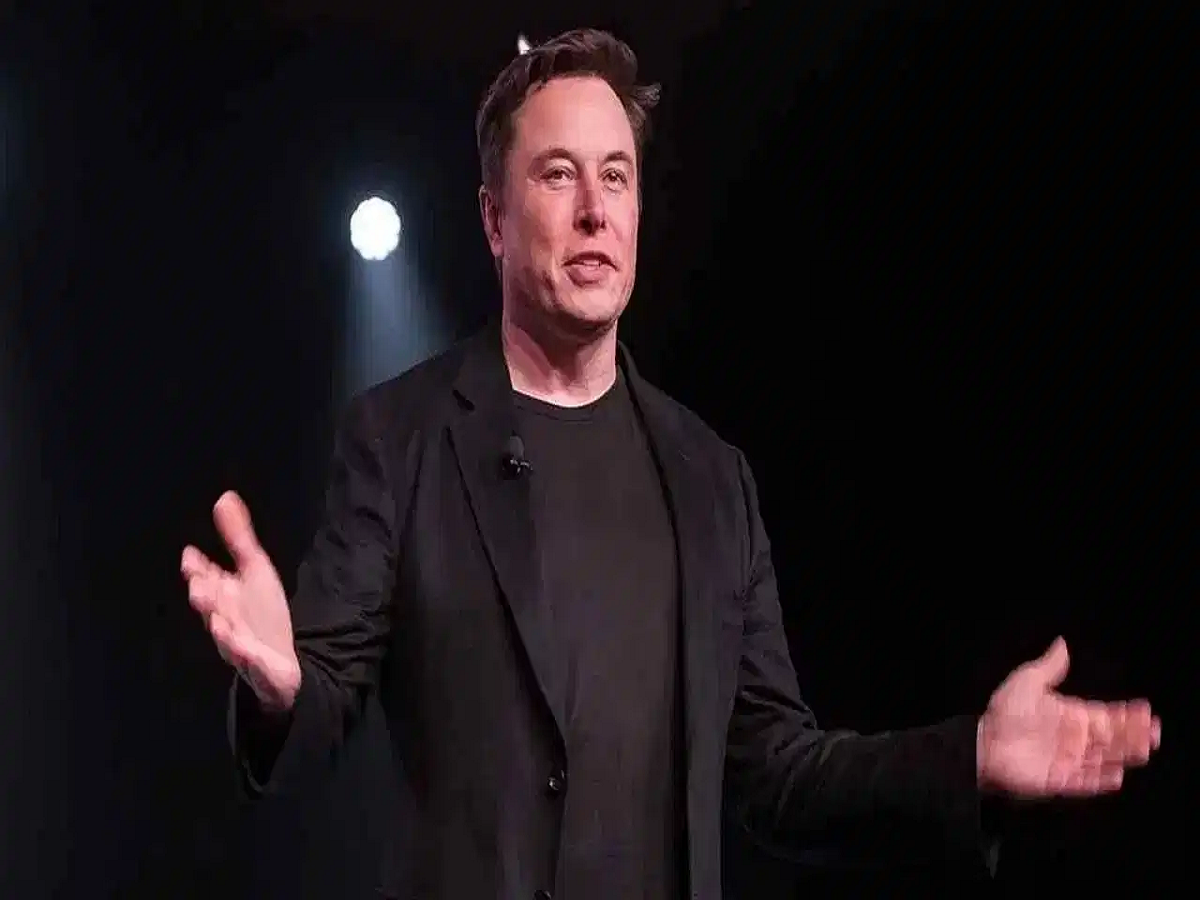
What if you no longer needed a job to earn money or pay your bills? According to billionaire entrepreneur Elon Musk, artificial intelligence (AI) and robots could eventually transform the global employment system so dramatically that working for a living may become optional. Musk believes machines will eventually be capable of performing most tasks currently handled by humans, potentially changing how people earn money and live their lives.
Speaking at the recent All-In Summit, Musk shared his vision of a future where AI and robotics could handle everything from physically demanding activities to complex office assignments. He described this possibility using the concept of "Universal High Income", suggesting that technological advancements could make goods and services widely available and improve living standards.
However, this prediction also raises important questions about unemployment, income distribution and who will benefit from an increasingly automated economy.
1. AI and Robots Could Perform Most Human Jobs
According to Musk, artificial intelligence and advanced robotics could eventually perform almost any task that humans are currently capable of doing.
Tesla's humanoid robot, Optimus, is one example of the technology being developed to automate physical work. Such robots could potentially assist with manufacturing, transportation, household activities and other labour-intensive tasks.
Meanwhile, AI systems are increasingly being used for data processing, software development, research, customer support and administrative work.
If these technologies continue advancing, businesses may become increasingly dependent on automated systems rather than traditional human labour.
Musk believes this could eventually make employment a matter of personal choice instead of an economic necessity.
2. What Is Universal High Income?
One of the most interesting aspects of Musk's prediction is the concept of Universal High Income.
The idea is that AI and robots could produce goods and services on such a large scale that the overall cost of living could decline significantly.
For example, automation could potentially make manufacturing faster, improve agricultural productivity and reduce the cost of certain healthcare and transportation services.
If essential products and services become cheaper and more accessible, people could enjoy a better standard of living without necessarily working long hours to earn money.
This concept is different from Universal Basic Income (UBI), which generally refers to providing people with regular financial support to meet their basic needs.
Universal High Income, as envisioned by Musk, focuses more broadly on the possibility that technological progress could increase the availability of goods and services.
3. Will Everyone Get Access to Better Living Facilities?
If AI-powered machines become capable of producing goods and delivering services at lower costs, several industries could experience major changes.
Some potential benefits include:
-
Healthcare: AI could assist medical professionals with diagnosis, research and administrative work.
-
Agriculture: Automated machinery could improve farming efficiency and reduce labour requirements.
-
Manufacturing: Robots could operate production facilities continuously and improve productivity.
-
Transportation: Autonomous technologies could potentially make transportation more efficient.
-
Education: AI-powered learning platforms could make personalised educational support more accessible.
However, increased production does not automatically mean that everyone will benefit equally.
The distribution of wealth, ownership of technology, government policies and access to essential services will determine whether these developments improve living conditions across different sections of society.
4. The Biggest Concern: Will AI Take Away Human Jobs?
While automation could make several tasks easier, it may also create significant challenges for workers.
If companies begin replacing human employees with AI systems and robots, certain occupations could become less necessary. This may particularly affect jobs involving repetitive physical activities, routine administrative work and predictable digital tasks.
For millions of people who depend on monthly salaries or daily wages, such changes could create financial uncertainty.
Another important question concerns ownership. If a small number of companies control the most advanced AI systems and robots, they could receive a disproportionately large share of the economic benefits.
Therefore, the challenge will not simply be developing better technology but ensuring that its benefits reach ordinary workers and households as well.
5. Will Humans Eventually Stop Working?
Musk's prediction suggests that future generations may have more freedom to decide whether they want to work.
People could potentially spend more time pursuing hobbies, travelling, learning new skills, creating art or spending time with their families.
However, this future is far from guaranteed. It will depend on how quickly AI develops, how industries adopt automation and how governments and businesses respond to changes in employment.
The transition could also be difficult, particularly for workers whose existing skills become less relevant.
What Does the Future of AI Mean for Ordinary People?
Elon Musk's vision presents an interesting possibility: a world where machines handle much of the work and humans have greater freedom to choose how they spend their time.
But reaching that stage will require more than technological breakthroughs. Questions surrounding employment, income security, ownership and economic inequality will need serious attention.
AI and robotics may change the way the world works, but whether this creates a better future for everyone will ultimately depend on how society manages the transformation.