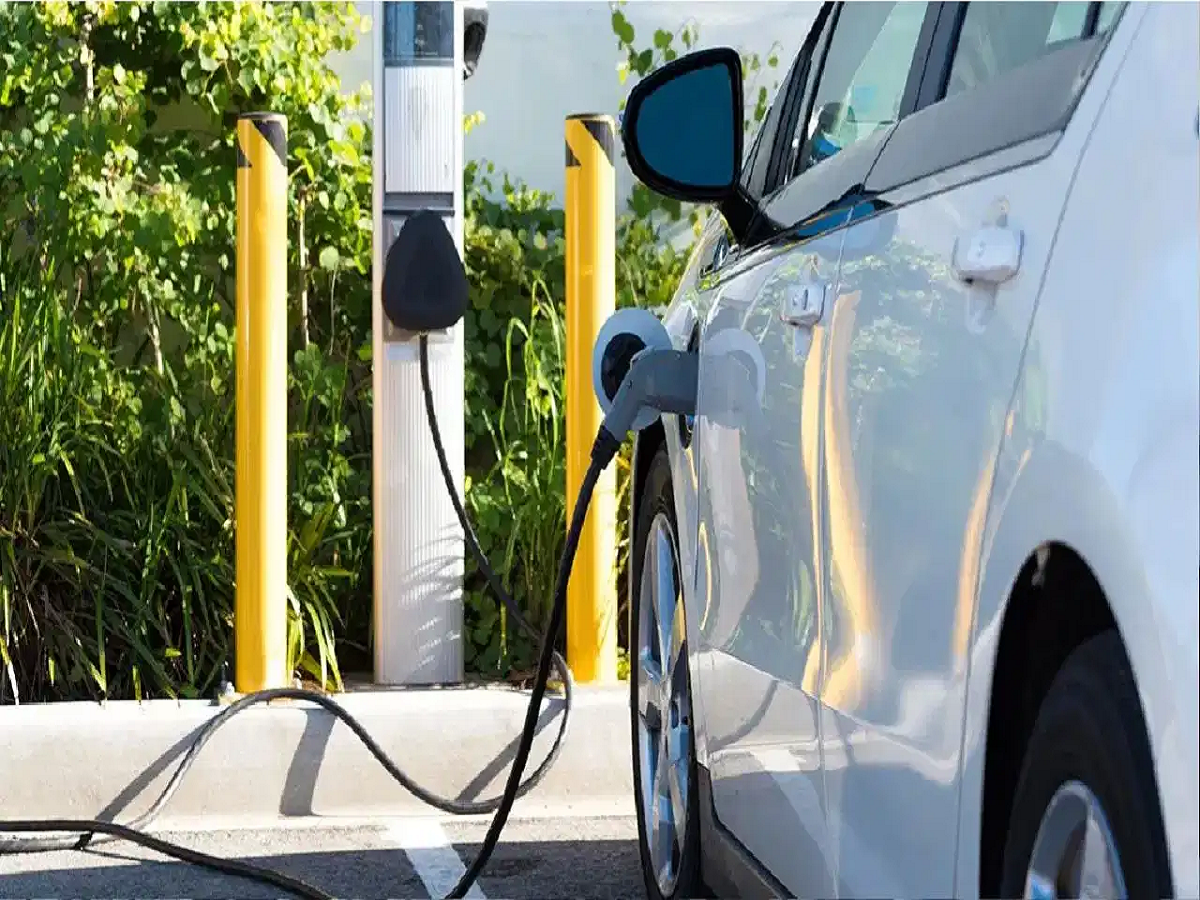
Electric vehicles are becoming increasingly popular in India as buyers look for alternatives to petrol and diesel vehicles. While EVs can help reduce running costs, their batteries remain one of the most expensive components to replace. This makes proper battery care an important part of electric vehicle ownership.
Charging habits, temperature, battery chemistry and driving conditions can all influence battery performance over time. Certain mistakes may accelerate battery degradation, reduce driving range and increase long-term ownership costs.
If you own an electric car or scooter, here are five charging mistakes to avoid to help maintain battery health.
1. Charging to 100% Every Day Without a Need
Charging an EV battery to 100% is not inherently harmful, but keeping certain lithium-ion batteries at a full charge for extended periods can accelerate degradation.
For many EVs, maintaining a moderate charge level during everyday use can help preserve long-term battery health. An 80% charging limit is a common recommendation for vehicles whose manufacturers support this approach.
However, the ideal charging limit depends on the battery chemistry and the manufacturer's recommendations. Some vehicles use lithium iron phosphate (LFP) batteries, for which periodic full charging may be recommended for battery management system calibration.
If you are preparing for a long journey, charging to 100% can be perfectly reasonable when recommended by the manufacturer. The key is to follow your vehicle's specific guidance rather than applying the same rule to every EV.
2. Frequently Allowing the Battery to Drop to 0%
Running an electric vehicle until its battery is almost completely depleted can be inconvenient and may contribute to battery stress when repeated frequently.
Although an EV's displayed 0% generally does not mean the battery's cells are physically discharged to zero, regularly operating at very low charge levels is best avoided.
A practical approach is to plan charging when the battery reaches approximately 20–30%, particularly if you need to travel a considerable distance.
Avoid leaving the vehicle at a very low charge for extended periods. If you are parking your EV for several days or weeks, consult the owner's manual for the recommended storage charge level.
3. Using Fast Charging for Every Charging Session
Fast charging is useful when you need to replenish your battery quickly, especially during long journeys. However, frequent high-power charging can increase battery temperature and may accelerate degradation under certain conditions.
The impact depends on factors such as battery chemistry, temperature, charging speed and the vehicle's battery management system.
For everyday charging at home, a compatible standard charger is often a convenient option. Reserve high-power fast charging for situations when the additional speed is useful.
Modern EVs are designed with systems to manage charging and protect the battery, so occasional fast charging is generally acceptable when performed according to the manufacturer's instructions.
4. Charging Immediately After Heavy Driving Without Considering Battery Temperature
After a long drive, climbing steep roads or driving in extreme heat, an EV's battery may become warm. Charging while the battery is excessively hot can increase thermal stress.
Many modern electric vehicles use battery management and thermal control systems to regulate temperature and adjust charging speed when necessary.
If your vehicle has been driven hard in hot weather, follow the dashboard warnings and allow the battery to cool if the manufacturer recommends doing so. Some EVs automatically manage the process, so a fixed waiting period is not necessary for every vehicle.
Avoid charging if the vehicle displays a battery temperature warning or if you notice unusual heat, swelling, smoke or other signs of damage. In such situations, follow the manufacturer's safety instructions and seek professional assistance.
5. Charging in Extremely Hot Conditions
High temperatures can affect battery ageing, and charging in excessive heat may add to the stress. India's summer conditions can make this particularly relevant for EV owners who park outdoors.
Whenever practical, charge your vehicle in a shaded, well-ventilated location away from direct sunlight. A covered parking area can help reduce exposure to extreme ambient temperatures.
However, direct sunlight alone does not automatically make charging unsafe. The battery's internal temperature, the vehicle's cooling system and the manufacturer's operating limits are more important factors.
Use only compatible charging equipment, keep connectors dry and undamaged, and avoid using makeshift electrical connections.
Additional Tips to Keep Your EV Battery Healthy
Along with good charging habits, a few simple precautions can help you get the best performance from your electric vehicle.
-
Follow the manufacturer's recommended charging limits and maintenance schedule.
-
Use approved chargers and compatible cables.
-
Avoid leaving the battery nearly empty or fully charged for prolonged periods unless instructed otherwise.
-
Pay attention to battery temperature warnings and charging alerts.
-
If storing the vehicle for a long time, maintain the recommended charge level and check it periodically.
-
Keep your vehicle's software updated when updates are provided by the manufacturer.
How Long Can an EV Battery Last?
Electric vehicle batteries are designed to last for many years, but their performance gradually declines with use and age. The rate of degradation varies depending on battery chemistry, climate, charging behaviour, mileage and thermal management.
A reduction in driving range does not automatically mean the battery needs replacement. Tyre pressure, driving speed, air-conditioning use, weather and road conditions can also influence how far an EV travels on a charge.
The best way to protect your investment is to follow the vehicle manufacturer's recommendations rather than relying on universal charging rules. With sensible charging habits and proper maintenance, you can help preserve battery performance and make electric vehicle ownership more economical over the long term.