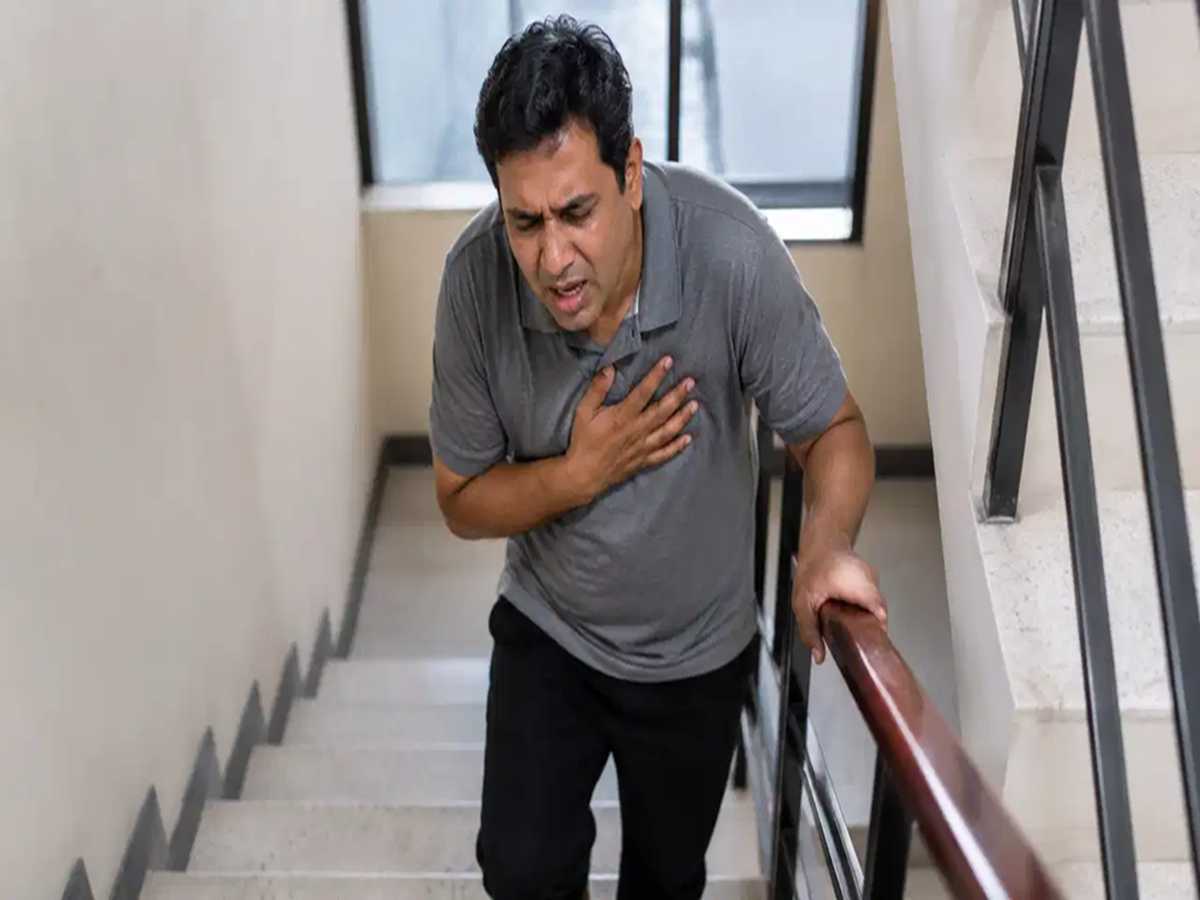
Feeling out of breath after climbing a flight of stairs or walking briskly is often blamed on aging, tiredness, or being out of shape. While these are common reasons, frequent or worsening breathlessness should not be ignored, as it may sometimes signal an underlying health condition, including heart-related problems.
Occasional shortness of breath after strenuous activity is normal, but if it starts happening during routine activities or becomes more noticeable over time, it's important to understand the cause and seek medical advice when needed.
Could Breathlessness Be a Sign of Heart Disease?
Shortness of breath can occur for many reasons, such as poor physical fitness, obesity, anemia, lung conditions, or a sedentary lifestyle. However, it may also be linked to heart problems.
When the heart is unable to pump blood efficiently, the body may not receive enough oxygen during physical activity. This can make even simple tasks like climbing stairs leave you feeling unusually breathless. While breathlessness alone does not confirm heart disease, persistent or worsening symptoms should be evaluated by a healthcare professional.
Warning Signs You Shouldn't Ignore
Breathlessness requires immediate medical attention if it occurs along with any of the following symptoms:
- Chest pain, tightness, or pressure
- A fast, irregular, or pounding heartbeat
- Extreme fatigue or unusual weakness
- Dizziness or fainting
- Swelling in the feet, ankles, or legs
- Difficulty breathing even while resting
- Sudden worsening of shortness of breath
These symptoms may indicate a serious heart or lung condition that requires prompt evaluation.
How to Support Heart Health
Taking care of your heart can also help reduce the risk of developing breathlessness related to cardiovascular disease. Healthy habits include:
- Staying physically active with regular exercise
- Eating a balanced, heart-friendly diet
- Maintaining a healthy body weight
- Avoiding smoking and tobacco products
- Managing high blood pressure, diabetes, and cholesterol through regular health check-ups
- Getting adequate sleep each night
- Reducing stress through healthy lifestyle practices
When to See a Doctor
If you frequently become breathless during everyday activities, notice your symptoms getting worse, or experience any warning signs alongside shortness of breath, don't delay seeking medical advice. Early evaluation can help identify the underlying cause and ensure timely treatment, reducing the risk of serious complications.