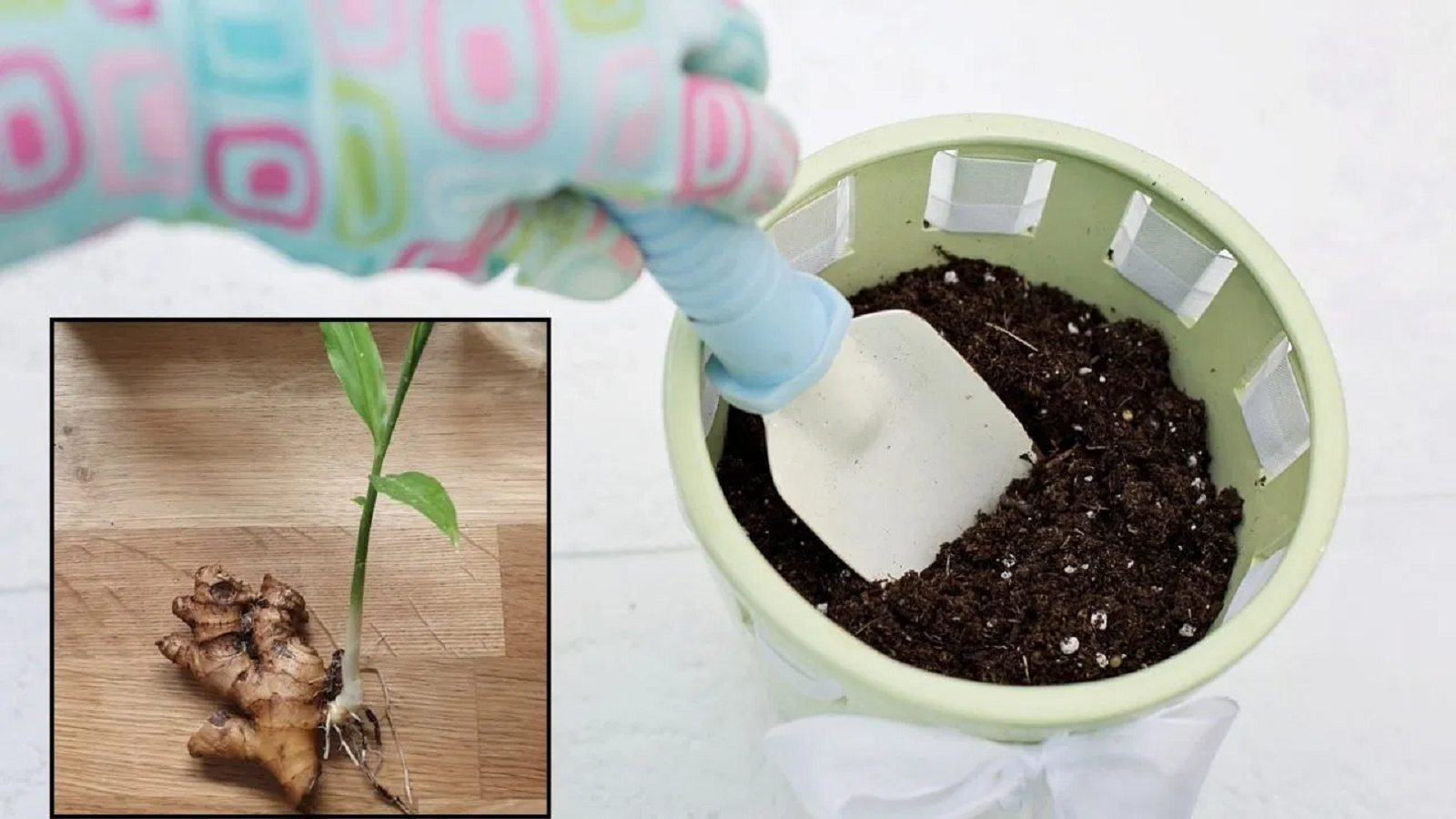
Ginger is one of the most powerful and commonly used ingredients in Indian kitchens — from chai to curries, it adds both flavor and health benefits. But in today’s age of adulteration, even ginger isn’t spared. Markets are flooded with chemically treated or even fake ginger that looks appealing but lacks the natural aroma, taste, and nutrients — and can harm your health.
If your store-bought ginger looks overly smooth or shiny, it’s likely been washed with harmful chemicals. Real ginger has a strong, pungent taste and visible fibers inside. Instead of relying on questionable market produce, you can easily grow fresh, organic ginger at home — even in a pot or balcony garden. Here’s how.
Health Benefits of Ginger
According to PubMed, ginger contains bioactive compounds like gingerol, shogaol, zingiberene, and zingerone, which help:
-
Reduce muscle pain and inflammation
-
Manage insulin resistance
-
Relieve nausea and vomiting
-
Soothe sore throats, coughs, and fever (especially when consumed as ginger tea)
Nutritional Value of Ginger
As per the University of Rochester Medical Center, one cup of sliced ginger provides essential nutrients like:
-
Calcium: 3.84 mg
-
Magnesium: 10.32 mg
-
Phosphorus: 8.16 mg
-
Potassium: 99.6 mg
-
Folate: 2.64 mcg
It also contains traces of iron, copper, zinc, manganese, selenium, and vitamin B complex, along with healthy carbohydrates, fiber, and fatty acids.
Step-by-Step Guide to Growing Ginger at Home
1. Choose the Right Ginger
Pick fresh, organic ginger from the market — it should feel firm and have small “eyes” (buds) on its surface. Avoid overly clean or shiny ones, as they might be chemically treated. You can also buy ginger “seeds” online.
2. Prepare the Soil and Pot
-
Use a wide, medium-deep pot (at least 12 inches deep) with good drainage.
-
Mix 3 parts soil with 1–2 parts compost for best results.
-
If your soil isn’t great, mix equal parts compost and soil to improve nutrient quality.
3. Plant the Ginger
-
Fill a seed tray with compost.
-
Place ginger pieces in the tray, eyes facing upward, and cover lightly with compost.
-
Keep the tray moist (not soggy) until shoots appear.
-
Once sprouts are visible, transfer the plants to the main pot or garden bed, keeping an 8-inch gap between each.
4. Care Tips
-
Sunlight: Ginger prefers partial sunlight — 3–4 hours of morning sun is ideal.
-
Watering: Avoid overwatering; keep soil slightly moist. Water only when the top layer dries up.
-
Spacing: Don’t grow ginger too close to large-root plants.
-
Harvesting: After about 8–10 weeks, you can start harvesting young ginger. For mature ginger, wait a few months longer. Gently uproot, wash, and dry before using.
Why Grow Ginger at Home?
Growing ginger at home gives you chemical-free, nutrient-rich produce that’s healthier and more flavorful. It also saves money, supports sustainable living, and brings joy — gardening is known to uplift mood and reduce stress.