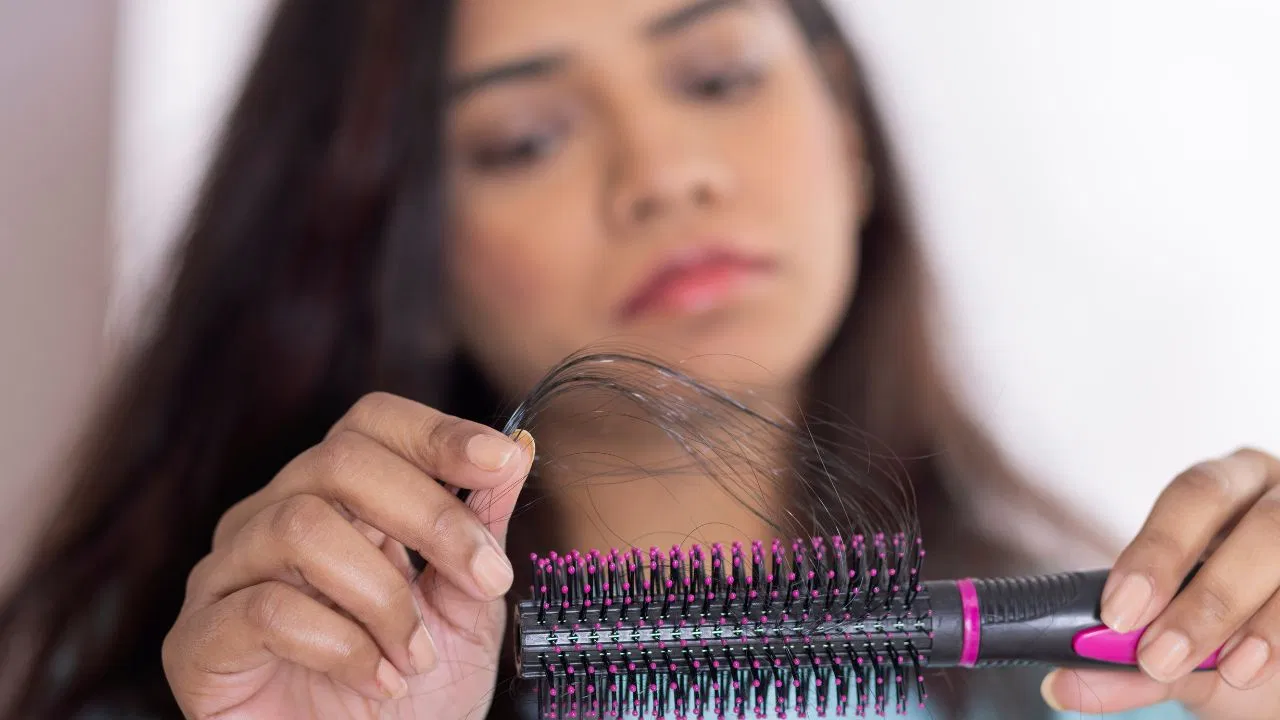
Hair fall is a common concern for both men and women, but after the age of 40, many women experience a sudden and noticeable increase in hair loss. In some cases, thinning becomes severe and difficult to manage. This often raises questions—why does hair fall increase after 40, is it linked to any health condition, and can it be prevented? Experts explain the real reasons behind this problem and how women can control it.
Why does hair loss increase after 40?
According to Dr. Soumya Sachdeva from the Department of Dermatology at Max Hospital, hormonal changes are the biggest reason behind hair fall in women after 40. Many women enter the perimenopause or menopause phase around this age. During menopause, estrogen levels decline, which weakens hair follicles and slows down hair growth, leading to increased hair fall.
Nutrient deficiencies also play a major role. Low levels of iron, vitamin D, biotin, and protein are commonly seen in women after 40 and can directly affect hair strength and density.
Stress and health conditions worsen the problem
Mental stress has become a major trigger for hair fall in recent years. Chronic stress disrupts the hair growth cycle and pushes hair follicles into the shedding phase, resulting in excessive hair fall. Women juggling work, family responsibilities, and health issues are especially vulnerable.
In some cases, autoimmune disorders can cause hair loss. These conditions attack hair follicles and may lead to long-term or patchy hair loss, which can be difficult to reverse. Additionally, thyroid disorders and diabetes are common after 40 and are known to contribute to hair thinning. Managing these conditions properly can help reduce hair fall.
Can hair loss after 40 be controlled?
Hair loss caused by genetic factors or autoimmune diseases cannot always be completely stopped, but in many cases, it can be controlled and slowed down with the right care and lifestyle changes.
Experts recommend focusing on a nutrient-rich diet that includes adequate protein, iron, and essential vitamins. Foods rich in vitamin D, such as mushrooms, fortified dairy products, and sunlight exposure, can support hair growth. Staying well-hydrated is also important for scalp health.
Managing stress through yoga, meditation, and regular physical activity helps improve overall hair health. Gentle scalp massage improves blood circulation to hair follicles and supports stronger hair growth. Avoiding harsh chemical treatments and excessive heat styling can further prevent damage.