LIFESTYLE
How to Care for Babies Born in High-Pollution Areas? Do These Mistakes Increase the Risk of Infection?

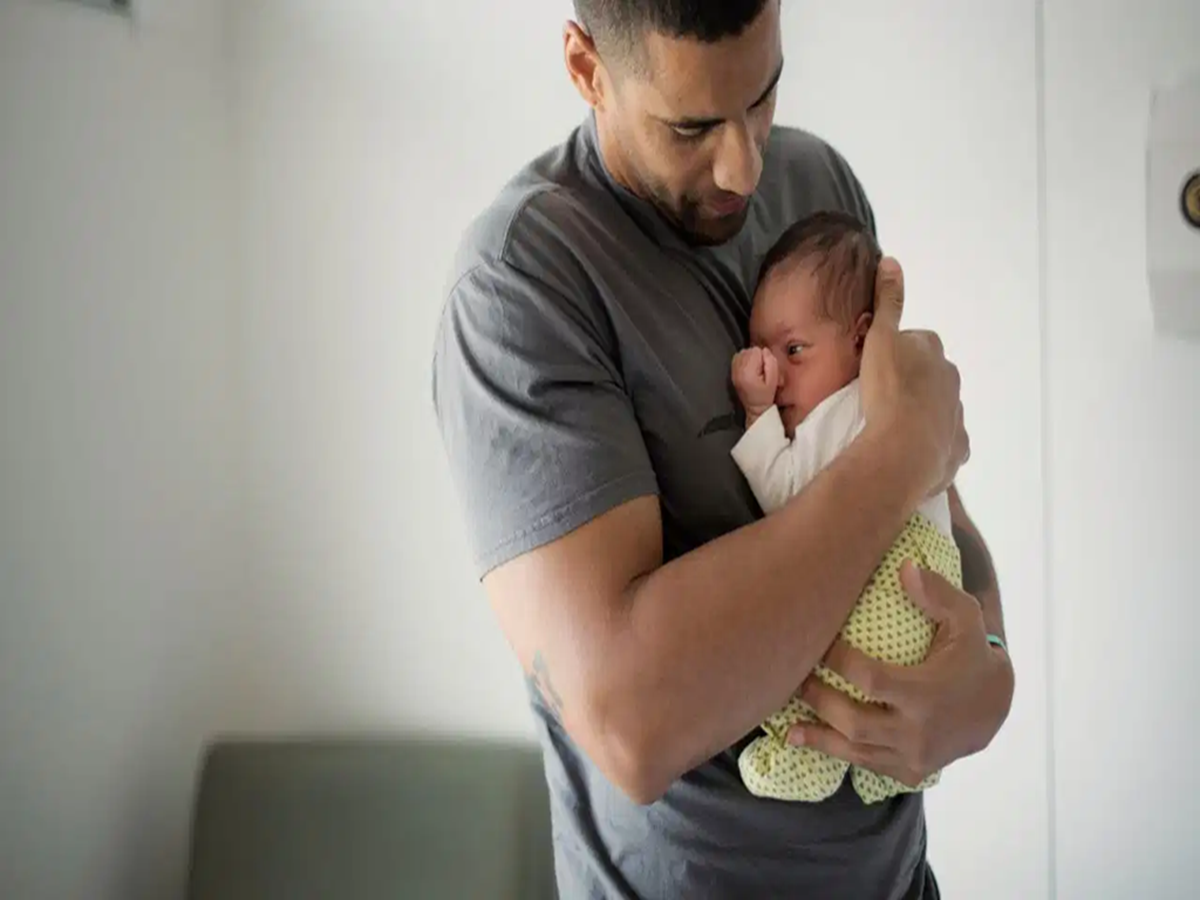
Pollution levels are rising rapidly across many parts of the country, and its impact is now being seen even in newborn babies. Hospitals are increasingly reporting cases where babies develop breathing problems immediately after birth. Doctors say that polluted air is a major reason behind this growing concern.
The first 30 days after birth are the most sensitive for a baby. During this time, their immune system is not fully developed, and pollutants like dust, smoke, smog, and toxic particles can directly harm their lungs. Babies born in highly polluted areas are more vulnerable to infections, respiratory issues, and weak immunity. That is why extra care during this period is extremely important to ensure healthy growth and proper development.
Health Risks for Newborns in Polluted Areas
Highly polluted air can lead to several problems in newborn babies, such as:
-
Difficulty in breathing
-
Persistent cough
-
Chest congestion
-
Eye irritation
-
Frequent infections
At this age, a baby’s immunity is very weak. Even mild exposure to pollution can damage their lungs. After delivery, the mother’s immunity is also low, which further increases the risk of infection spreading to the newborn. This is why even small carelessness can have serious consequences.
How to Take Care of Babies Born in High-Pollution Areas
Doctors emphasize that protecting the baby’s breathing environment is the first and most important step.
1. Keep the Indoor Air Clean
-
Keep the baby’s room clean and well-ventilated
-
Use an air purifier, especially during high AQI days
-
Do light daily cleaning to reduce dust particles
2. Avoid Smoke and Strong Smells
-
Do not allow smoking, incense sticks, agarbatti, dhoop, or mosquito coils
-
Avoid perfumes, room fresheners, and chemical sprays
3. Dress the Baby Wisely
-
Keep the baby warm but do not overdress
-
Too many clothes can cause sweating and breathing discomfort
4. Limit Outdoor Exposure
-
Always check the AQI and weather before stepping out
-
Avoid traffic areas, construction zones, and crowded places, especially during the first 30 days
5. Maintain Strict Hygiene
-
Always wash hands before touching the baby
-
Limit the number of visitors
-
Only allow healthy and clean people to hold the baby
Common Mistakes That Increase Infection Risk
Doctors warn that parents unknowingly make these dangerous mistakes:
-
Taking the baby outside frequently in polluted air
-
Allowing dust to accumulate in the house
-
Using smoke, candles, incense, or scented products
-
Letting too many guests touch the baby without handwashing
-
Giving the baby frequent baths, which weakens skin protection
-
Keeping the room too cold or overdressing the baby
All these increase the chances of respiratory infections and weak immunity.