INTERNATIONAL
If Sheikh Hasina Retires from Politics, What Could It Mean for India–Bangladesh Relations?
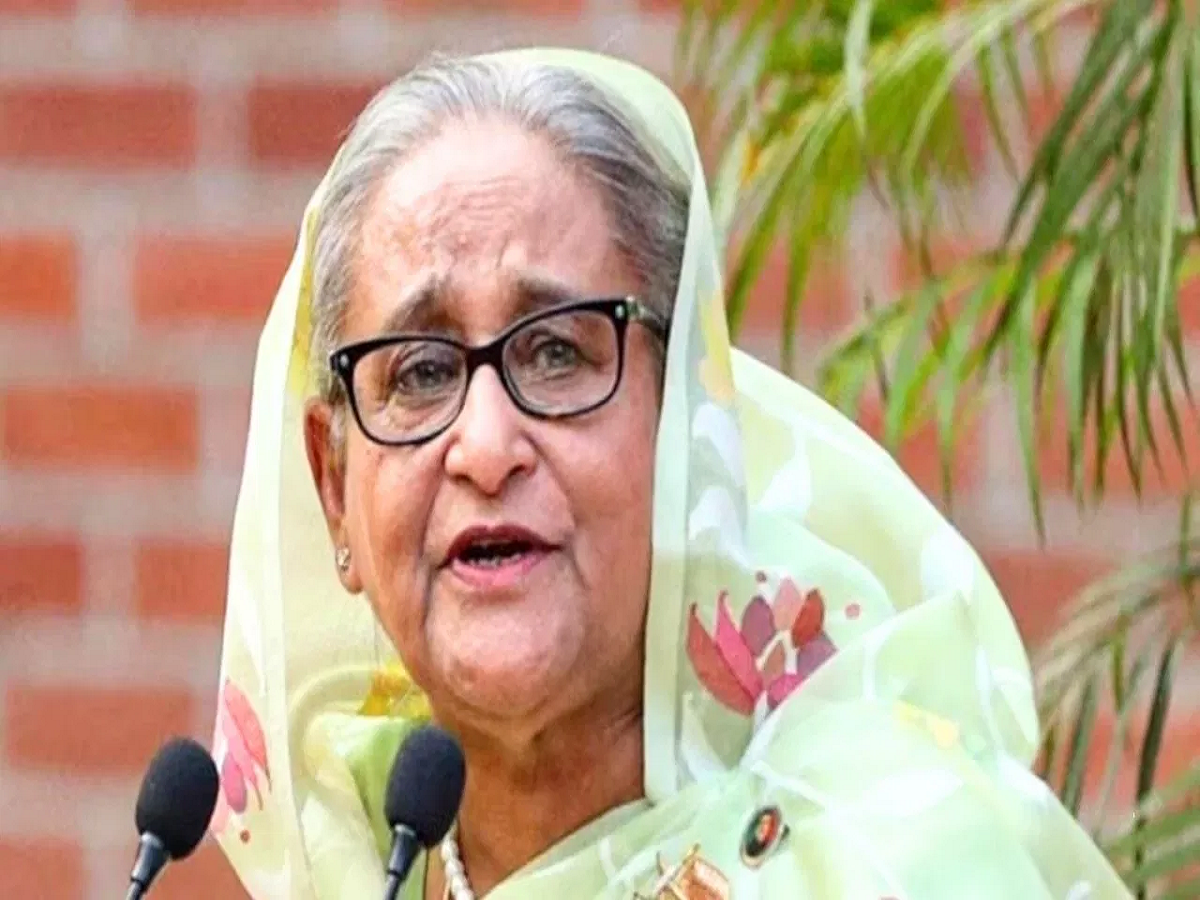
The possible retirement of Sheikh Hasina from active politics could mark the end of a long and influential chapter in Bangladesh’s political history—and may also reshape India–Bangladesh relations in important ways.
Her son Sajeeb Wazed Joy has indicated that Hasina had already decided to step away from politics due to age, calling it “the end of the Hasina era.” This development comes amid political turmoil in Bangladesh, a ban on the Awami League, and strained ties between New Delhi and Dhaka.
Below is an analysis of how Hasina’s retirement could impact bilateral relations.
1. End of “Hasina-centric” India–Bangladesh ties
For nearly two decades, India’s relationship with Bangladesh was closely associated with Sheikh Hasina’s leadership. Under her tenure:
-
India and Bangladesh cooperated strongly on security and counter-terrorism
-
Several border and river-water disputes were managed pragmatically
-
India received strong support from Dhaka against anti-India insurgent groups
If Hasina formally retires, India–Bangladesh relations may move away from a personality-driven model to a more institutional and pragmatic framework.
2. Reduced allegations of India “backing” Sheikh Hasina
The current interim leadership and opposition groups in Bangladesh have accused India of patronising Sheikh Hasina and sheltering her after her exit from power. This perception has contributed to diplomatic unease.
With Hasina stepping away from politics:
-
Claims that India is interfering in Bangladesh’s internal affairs may weaken
-
India may find it easier to reset relations with the next elected government
-
Anti-India rhetoric linked specifically to Hasina could lose momentum
This could help lower political hostility toward India within Bangladesh.
3. Space for improved ties with BNP and other parties
India has traditionally been seen as closer to the Awami League, while relations with the Bangladesh Nationalist Party (BNP) have been complicated.
However, recent signals suggest a shift:
-
Indian External Affairs Minister S. Jaishankar attended the funeral of former Prime Minister Khaleda Zia
-
He also interacted with BNP leader Tarique Rahman, indicating diplomatic outreach
Hasina’s retirement may:
-
Make it politically easier for India to engage with BNP
-
Encourage a more balanced diplomatic posture toward all Bangladeshi political forces
4. Awami League’s future and India’s strategic calculus
Sajeeb Wazed Joy has insisted that the Awami League will survive without Hasina, calling it a 70-year-old institution. However, without her leadership:
-
The party’s political influence may weaken in the short term
-
India may no longer see the Awami League as its primary strategic partner
-
New Delhi will likely adopt a wait-and-watch approach toward the next government
India’s focus may shift from party loyalty to stability, security cooperation, and regional balance.
5. Extradition issue and diplomatic sensitivity
Sheikh Hasina is currently in India, while Bangladesh has raised demands for her extradition. India has remained officially silent.
If Hasina fully retires:
-
Her political relevance may decline, reducing diplomatic pressure
-
India may handle the issue strictly through legal and treaty-based frameworks
-
The matter could slowly lose urgency in bilateral discussions
This may help prevent further deterioration in relations.