LIFESTYLE
If you pay attention to these 10 things, you won't need glasses for the next 30 years; if you do wear them, they will fall off
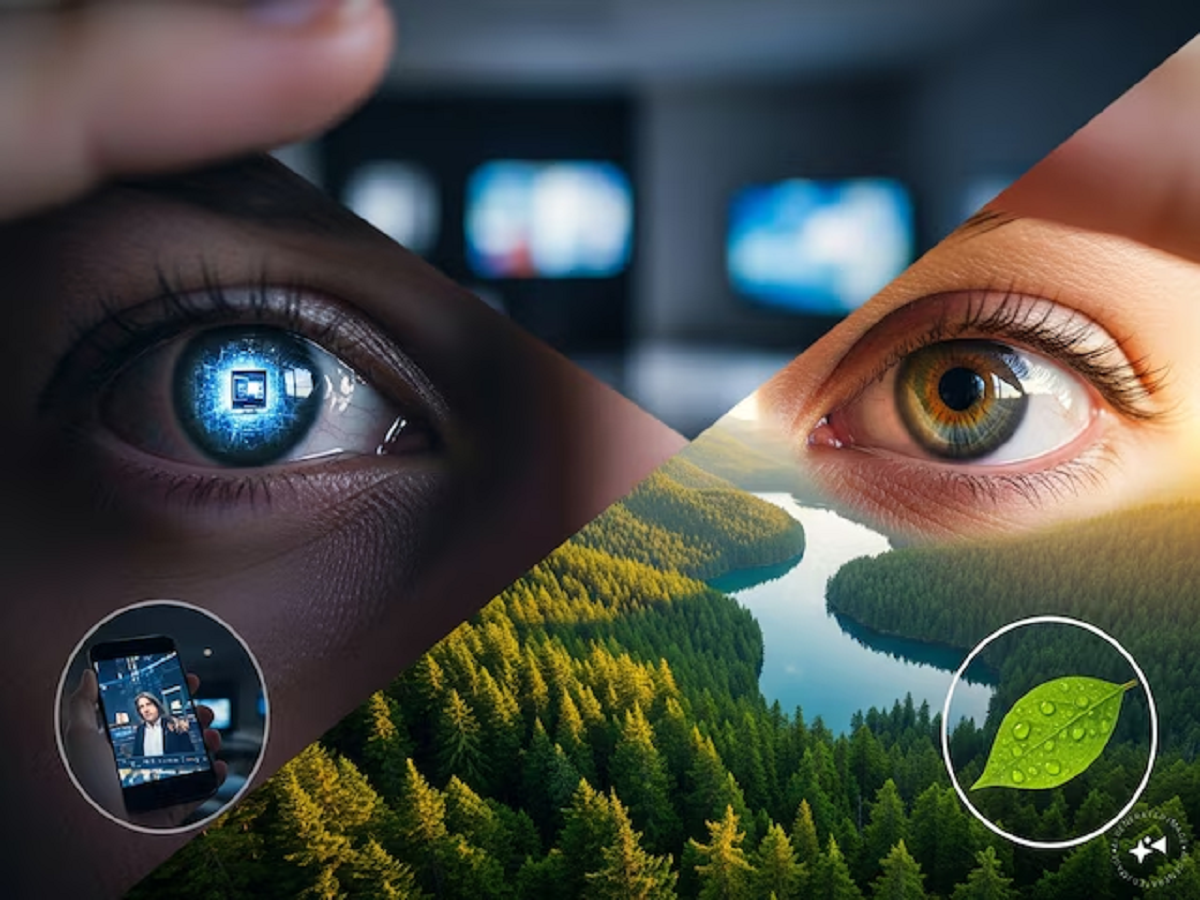
In today's fast-paced life and increasing screen time, eye health is one of the most neglected issues. Constant use of mobile phones, laptops, and televisions puts additional strain on the eyes, which gradually results in weakening of vision. However, adopting the right habits early can help protect your eyesight for the long term. Small everyday precautions can help keep your eyes healthy and sharp for decades to come
We often focus on our physical health, but tend to neglect our eyes until a problem arises. The truth is that small everyday habits determine your vision and comfort for decades to come. By starting proper care today, many serious eye diseases can be easily prevented
Let us know 10 very important rules to keep the eyes healthy for a long time…
Adopt a nutritious diet for your eyes.
According to an HT report, the foundation of good vision always lies in a healthy diet. Include green leafy vegetables like spinach and kale, colorful fruits, nuts, seeds, eggs, and fatty fish in your daily diet. The vitamins A, C, E, zinc, lutein, zeaxanthin, and omega-3 fatty acids present in these help protect the eyes from age-related problems, dry eye, and retinal damage.
Related newsWhy do people rub their eyes after waking up in the morning? Learn the reason from a doctor.Staying up late at night is more dangerous than drinking alcohol, try these 3 measures for good sleepDrinking coriander water on an empty stomach in the morning? First, find out how long it's safe to drink and when to stop.Troubled by headaches? Try these 5 home remedies for instant relief.
Rest your eyes while working in front of a screen.
In this digital age, mobile phones and laptops put the most strain on your eyes. Therefore, adopt the 20-20-20 rule. Every 20 minutes, look at something about 20 feet away for 20 seconds. This habit relaxes your eye muscles and prevents fatigue, headaches, and blurred vision.
Drink plenty of water.
Lack of water directly affects the eyes. Dehydration can increase dryness, burning, and stinging in the eyes. Drinking adequate water throughout the day helps maintain moisture in the eyes and keeps the tear film healthy.
Develop a habit of blinking.
When we're constantly staring at a screen, we blink only about half as often as usual. This can cause our eyes to dry out quickly. Make it a habit to blink regularly to keep your eyes naturally lubricated.
Protect your eyes when you're out in the sun.
The sun's ultraviolet rays accelerate eye aging and can increase the risk of cataracts and retinal damage. It's crucial to wear sunglasses with 100% UVA and UVB protection when outdoors, even when the weather is cloudy.
Use screens wisely:
Keep your mobile or laptop screen slightly below eye level and at arm's length. Adjust brightness and contrast to suit ambient light. Avoid looking at screens in complete darkness, as this can put additional strain on your eyes.
Quit the habit of rubbing your eyes.
Rubbing your eyes when they itch is a common but harmful habit. This can spread infection and damage the cornea. It's best to wipe your eyes with a clean tissue, wash your face, or use eye drops as recommended by your doctor.
Get good and complete sleep.
Sleep is essential not only for the brain but also for the eyes. Adequate sleep helps the eyes repair and recover. Lack of sleep can cause redness, dryness, twitching, and long-term vision problems.
Incorporate daily exercise into your routine.
An active lifestyle also plays an important role in eye health. Regular exercise improves blood circulation and reduces the risk of diseases like diabetes and high blood pressure, which can be a major cause of vision loss.
Get regular eye checkups.
Many serious eye diseases, such as glaucoma, don't show any symptoms in their early stages. Regular eye exams can help detect problems early and allow for timely treatment.
PC:News18