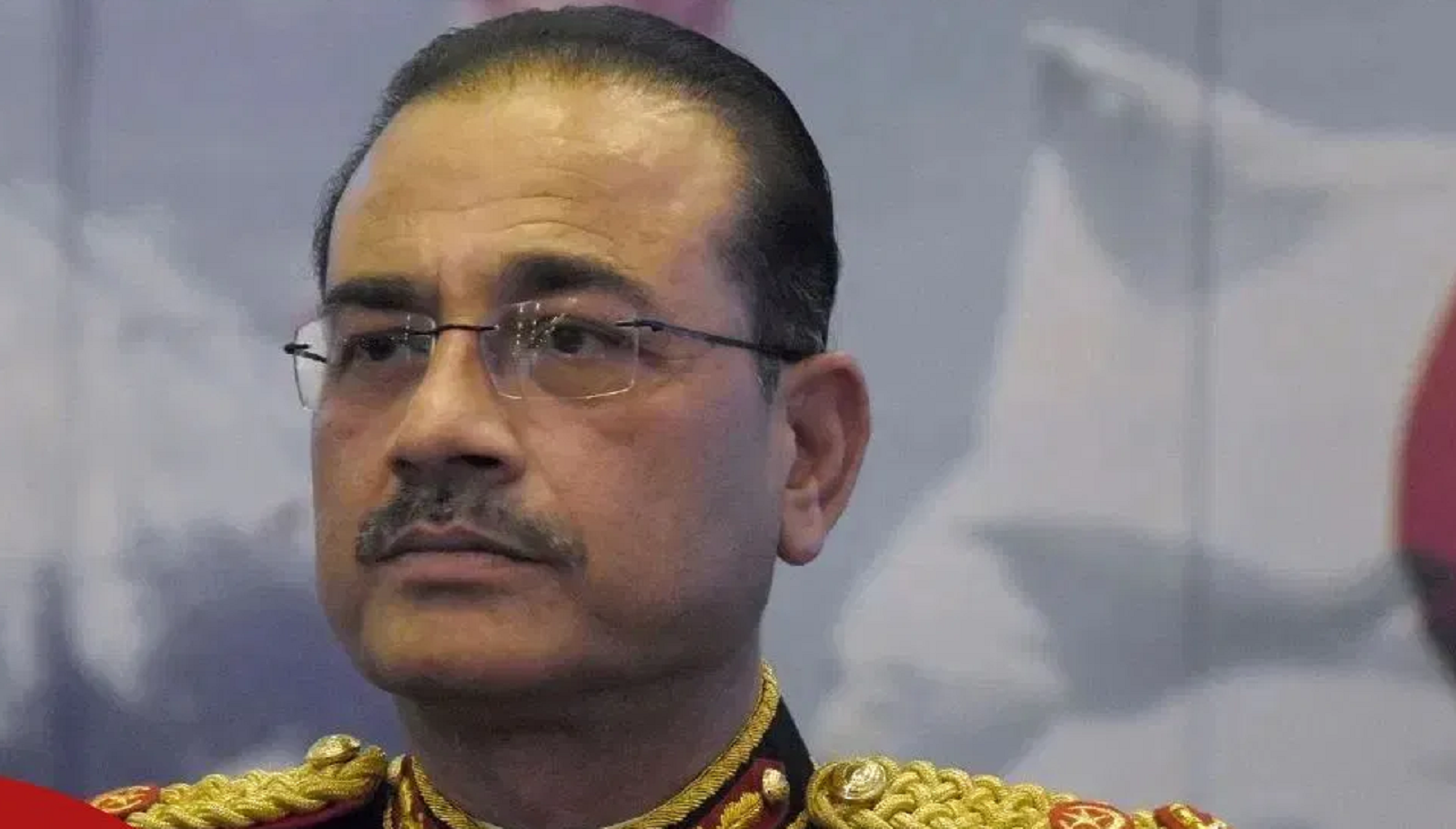
Pakistan’s Army Chief, General Asim Munir, has drawn intense international attention in recent weeks. The United States, European nations, and the United Nations are all closely watching the dramatic political and constitutional shifts taking place in Pakistan. The reason is clear: Munir is being granted sweeping powers that many fear could push Pakistan back toward military rule.
From a strongly worded letter by US lawmakers to sharp criticism from the UN, global concern is rising that Pakistan’s military has effectively taken control of the country. A report by The Guardian even described the current situation as a “constitutional coup.” The question now is: how far will international pressure against Munir go?
49 US lawmakers write to the Biden administration – demand action
Forty-nine members of the US Congress have written a detailed letter urging the American government to respond strongly to the developments in Pakistan. The lawmakers argue that the current government functions entirely under the influence of the military, with General Munir exercising real authority. They called on Washington to take immediate steps to safeguard Pakistan’s democratic framework.
UN warning: constitutional amendments threaten democracy
The United Nations has also expressed deep concern over the recent constitutional amendments passed in Pakistan. Volker Türk, chief of the UN Human Rights Office, warned that these changes severely weaken democracy and undermine the rule of law.
A detailed investigation by The Guardian describes Pakistan’s political climate as a constitutional coup. According to the report, although the 1973 constitution has been amended many times under military pressure, the past 15 years had seen Pakistan moving cautiously toward democratic stability. But the situation dramatically shifted after the 27th Amendment passed in November.
The amendment granted extraordinary powers to General Munir. He now holds authority over all three branches of Pakistan’s armed forces—the Army, Navy, and Air Force. It also gave him the option to extend his five-year term, allowing him to potentially remain in office for a decade or longer. The amendment further guarantees him lifelong immunity from criminal prosecution and replaces Pakistan’s Supreme Court with a new Constitutional Court.
These sweeping changes led several senior judges to resign in protest, declaring that Pakistan no longer effectively has a constitution or an independent judiciary.