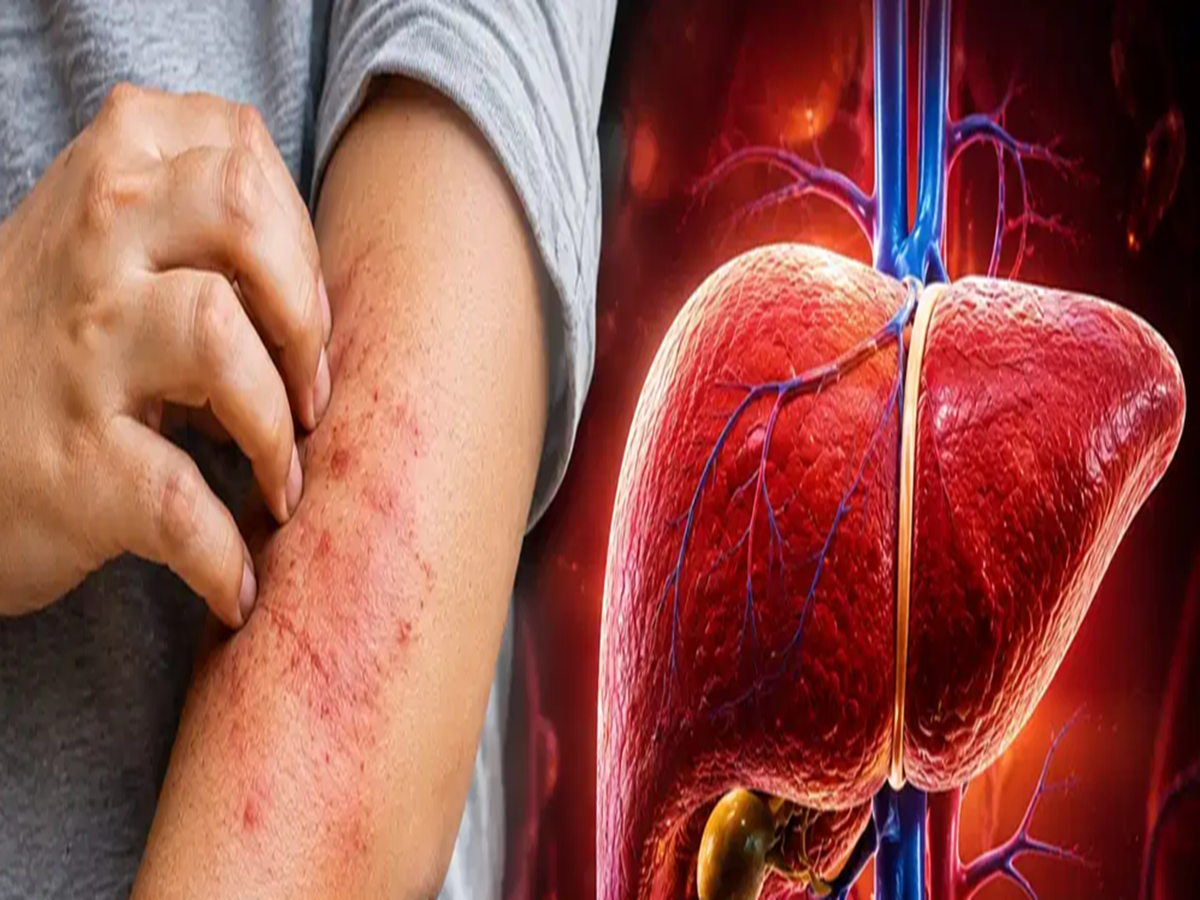
The liver is one of the body's hardest-working organs, performing hundreds of essential functions every day. It helps remove toxins, aids digestion, stores nutrients, and supports overall metabolism. However, unhealthy eating habits, obesity, excessive alcohol consumption, fatty liver disease, and viral infections have led to a growing number of liver-related health problems.
One of the biggest concerns is that liver disease often develops silently, showing few noticeable symptoms in its early stages. In many cases, the skin becomes one of the first parts of the body to reflect that something may be wrong. Recognising these warning signs early and seeking medical advice can help prevent serious complications.
1. Yellowing of the Skin and Eyes
A yellow tint on the skin or the whites of the eyes is one of the most well-known signs of liver problems. This condition, known as jaundice, occurs when the liver cannot properly process bilirubin, causing it to build up in the body. If you notice yellowing of your skin or eyes, consult a healthcare professional without delay.
2. Persistent Itching Without an Obvious Cause
Unexplained itching that continues for days or weeks may also indicate liver dysfunction. The itching can affect a specific area or spread across the entire body. If it persists despite using moisturisers or allergy treatments, it is worth getting it medically evaluated.
3. Bruising Easily
The liver plays a key role in producing proteins that help blood clot. When liver function is impaired, even minor bumps or injuries can result in noticeable bruises. Frequent or unexplained bruising should never be ignored.
4. Spider-Like Red Blood Vessels
Tiny red marks that resemble spider webs may appear on the face, neck, shoulders, or upper chest in some people with liver disease. These are commonly known as spider angiomas and can sometimes be associated with chronic liver conditions.
5. Dark Patches or Changes in Skin Colour
Some liver disorders may cause changes in skin pigmentation, leading to darker patches in certain areas. While this symptom can occur for various reasons, persistent changes should be assessed by a doctor.
6. Swelling Along With Skin Changes
Liver disease can cause fluid to accumulate in the body, resulting in swelling of the feet, ankles, or abdomen. If this occurs alongside unusual skin symptoms, it may require prompt medical attention.
7. Dry or Sensitive Skin
Some individuals with liver problems may notice unusually dry, flaky, or sensitive skin. Although this can have many causes, it should not be overlooked if accompanied by other signs of liver dysfunction.
Other Symptoms That May Point to Liver Problems
Skin changes are only one part of the picture. Other symptoms that may accompany liver disease include:
- Constant fatigue or weakness
- Loss of appetite
- Nausea or vomiting
- Pain or discomfort in the upper abdomen
- Swelling in the abdomen or legs
- Dark-coloured urine
- Pale or clay-coloured stools
- Unexplained weight loss
- Difficulty concentrating or confusion
These symptoms can also occur in other medical conditions, so it is important to seek professional medical evaluation rather than attempting self-treatment.
How to Keep Your Liver Healthy
Taking care of your liver can significantly reduce the risk of liver disease. Simple lifestyle changes can make a big difference:
- Eat a balanced diet rich in fruits, vegetables, whole grains, and lean proteins.
- Limit fried, sugary, and heavily processed foods.
- Exercise regularly and maintain a healthy weight.
- Avoid excessive alcohol consumption.
- Take medicines only as directed by a healthcare professional.
- Stay protected against hepatitis through recommended vaccinations.
- Schedule regular health check-ups, especially if you have risk factors such as obesity or diabetes.
Listen to What Your Skin Is Telling You
Your skin can sometimes reveal important clues about your overall health, including the condition of your liver. While these signs do not always indicate liver disease, persistent or unusual skin changes should never be ignored. Early diagnosis and timely treatment can improve outcomes and help protect one of the body's most vital organs.