LIFESTYLE
Karwa Chauth 2026: Pregnant Women Should Avoid Nirjala Fast! These Warning Signs Could Put Both Mother and Baby at Risk
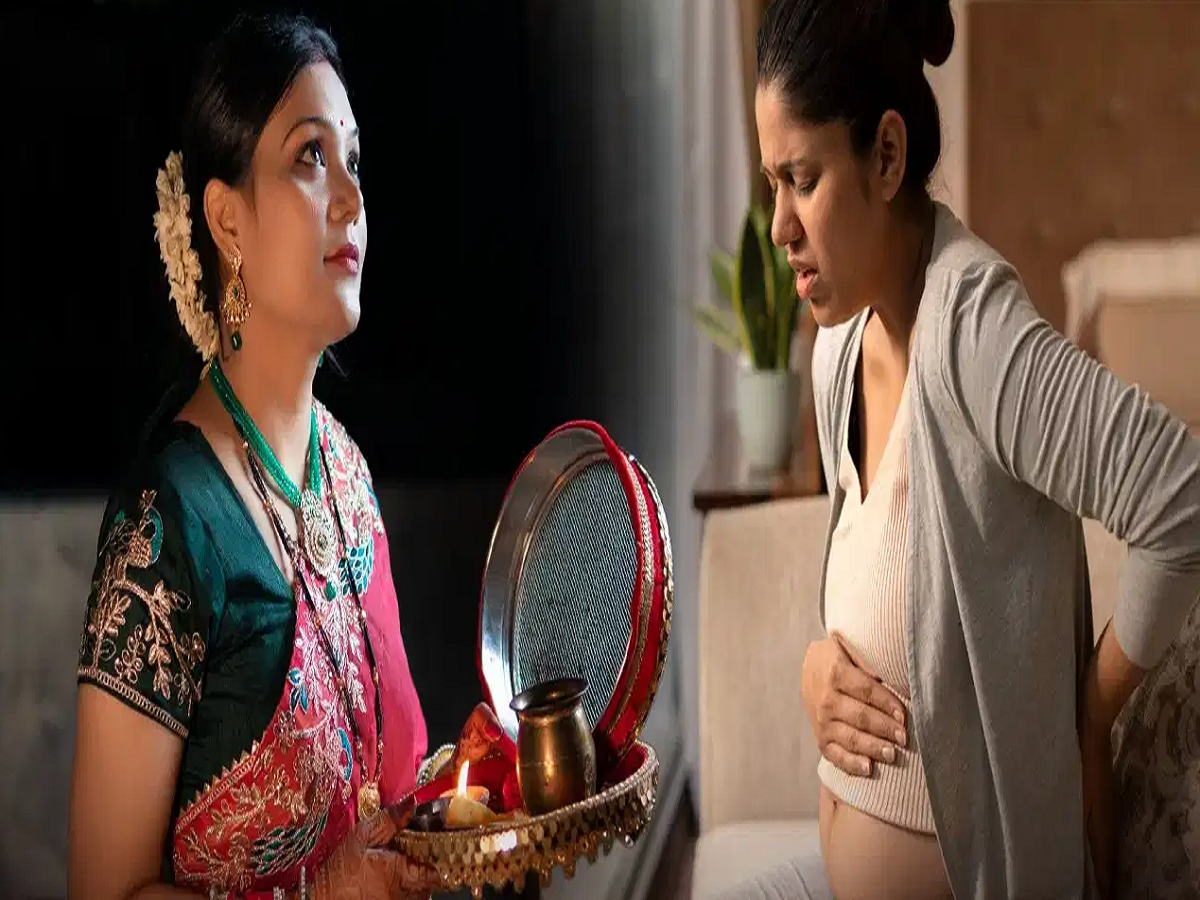
Karwa Chauth is celebrated with great enthusiasm, with married women observing a day-long fast without food or water for the well-being and long life of their husbands. However, for pregnant women, following this tradition can pose serious health risks. Going without water for several hours can lead to dehydration, weakness and other complications that may affect both the mother and the unborn baby.
According to Dr. Chanchal Sharma, Director of Asha Ayurveda and a gynaecologist and Ayurvedic doctor, pregnant women should prioritise their health and their baby's well-being over fasting rituals. She advises women to pay close attention to their bodies and seek immediate medical attention if they experience unusual symptoms.
1. Dizziness and fainting due to low blood pressure
A Karwa Chauth fast can last approximately 16 to 18 hours. Staying without food and water for such an extended period can cause dehydration and fluctuations in blood pressure.
Pregnant women may experience dizziness, headaches, extreme weakness and even fainting. Dehydration can also affect normal blood circulation, making it important not to ignore these symptoms.
2. Reduced or unusual baby movements
One of the most important warning signs during pregnancy is a noticeable reduction in the baby's movements.
Women in their second and third trimesters should be particularly attentive to changes in their baby's movement patterns. Prolonged fasting can contribute to low blood sugar levels, potentially affecting the mother's energy levels and overall well-being.
If you notice that your baby is moving less than usual or its movements have stopped, contact your maternity unit or doctor immediately. Do not wait until the fast is over.
3. Dehydration may affect placental blood circulation
The placenta plays a crucial role in supplying oxygen and nutrients to the developing baby. Severe dehydration can affect the mother's circulation and may create additional health concerns during pregnancy.
It can also contribute to uterine irritability and contractions, particularly during the later stages of pregnancy. Therefore, avoiding water throughout the day may not be a safe choice for expectant mothers.
4. Spotting or vaginal bleeding
Spotting or vaginal bleeding during pregnancy should never be ignored, especially when accompanied by abdominal pain, contractions or dizziness.
Although dehydration is not necessarily the direct cause of bleeding, prolonged fasting and associated health complications can make an existing pregnancy concern more difficult to manage.
If you experience any spotting or bleeding, seek medical advice immediately rather than waiting for the symptoms to disappear.
5. Women with high-risk pregnancies should avoid fasting
Women with high-risk pregnancies need to take additional precautions. Observing a Nirjala fast can be particularly risky for those dealing with existing medical conditions.
Pregnant women should avoid fasting, unless specifically advised otherwise by their treating doctor, if they have:
-
Gestational diabetes or blood sugar fluctuations.
-
High blood pressure or pre-eclampsia.
-
Anaemia or severe nutritional deficiencies.
-
A history of premature delivery.
-
A multiple pregnancy, such as twins.
-
Any other pregnancy-related complications.
Can pregnant women observe Karwa Chauth?
Pregnancy is a time when adequate hydration and nutrition are essential for the health of both mother and baby. A traditional Nirjala fast involves avoiding water and food for several hours, which may increase the risk of dehydration and other complications.
Pregnant women should consult their gynaecologist before considering any form of fasting. They can also participate in the celebrations without observing the traditional fast.
Remember, religious traditions should never come at the cost of maternal and fetal health. A healthy mother and baby are far more important than completing a fast.