BUSINESS
Khet Bachao Abhiyan 2026: Government’s New Campaign Urges Farmers to Protect Soil and Reduce Farming Costs
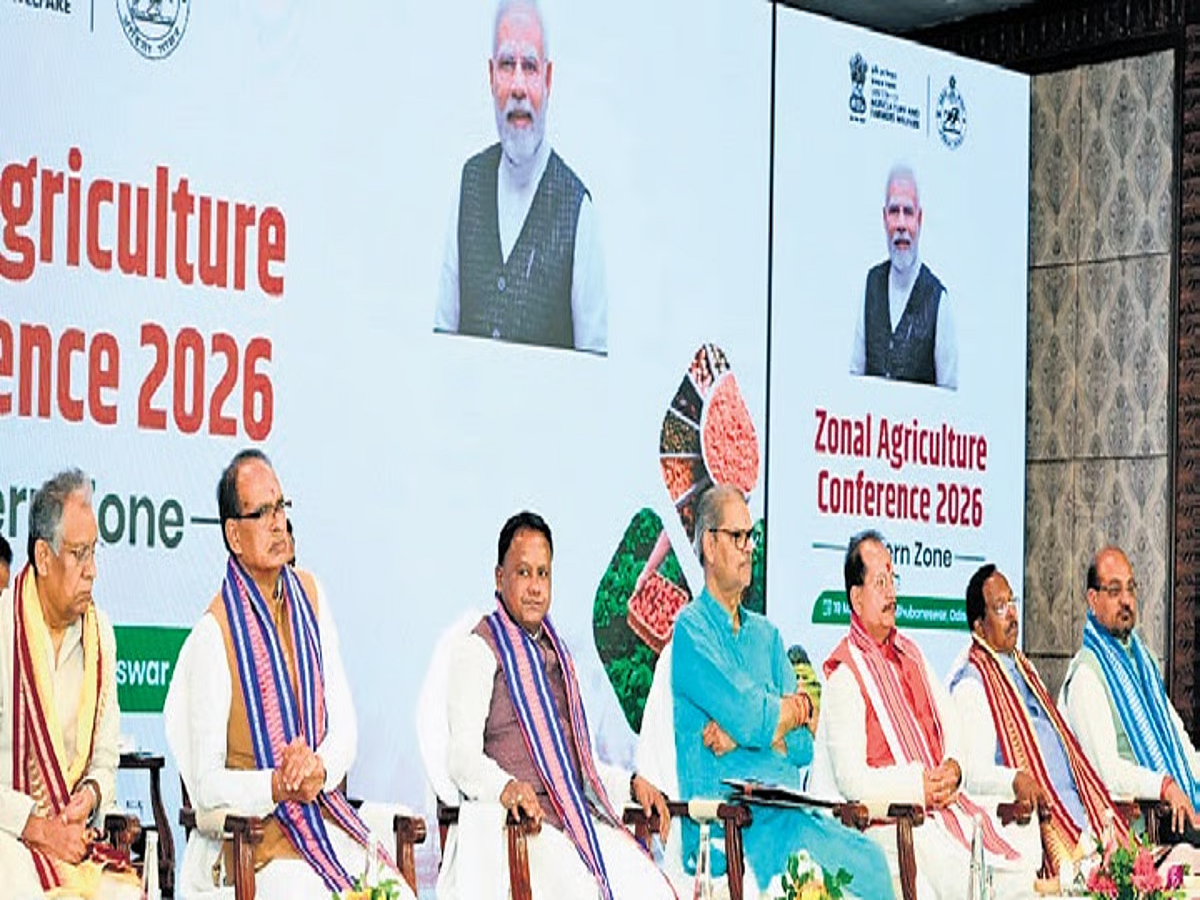
Farmers across India are being encouraged to rethink how they use fertilisers, manage crop residue and prepare their fields for the winter cropping season. The Ministry of Agriculture and Farmers Welfare has launched the nationwide Khet Bachao Abhiyan – Rabi 2026, a campaign focused on improving soil health, promoting sustainable agriculture and encouraging farmers to use agricultural resources more efficiently.
The campaign began on 22 October 2026 and will continue until 30 November 2026. It includes farmer meetings, training sessions, scientific demonstrations and village-level awareness programmes. <Cite refs={["turn961843search0","turn961843search1"]}/>
Why Has the Government Launched This Campaign?
Excessive or imbalanced use of chemical fertilisers, repeated cultivation of the same crops and improper disposal of crop residue can affect soil quality and increase cultivation costs.
The campaign aims to encourage farmers to make agricultural decisions based on soil conditions and scientific recommendations rather than applying fertilisers without assessing their fields’ requirements.
It also promotes water conservation, crop diversification, natural farming and better utilisation of land left vacant after paddy harvesting.
1. Check Your Soil Health Card Before Buying Fertilisers
One of the key messages of the campaign is the importance of soil testing.
A Soil Health Card provides information about the condition of agricultural soil and its nutrient status. Farmers can use this information to understand which nutrients their fields may need.
Before applying fertilisers, farmers should:
-
Check their available Soil Health Card or obtain soil-testing advice.
-
Follow recommended quantities and application schedules.
-
Avoid applying additional fertiliser without a clear agronomic reason.
-
Seek guidance from local agricultural experts if crops show signs of nutrient deficiency.
Balanced fertiliser use can help avoid unnecessary expenditure while supporting soil fertility and crop development. The correct fertiliser requirement varies according to the crop, soil and growing conditions.
2. Consider Crop Rotation Instead of Growing the Same Crops Repeatedly
The campaign also encourages crop diversification, including the cultivation of pulses and oilseeds where suitable.
Introducing crops such as chickpea, lentil or other locally appropriate pulses into a crop rotation can help diversify farm income. Leguminous crops can also contribute to soil nitrogen through biological nitrogen fixation.
Farmers should choose crops according to local climate, soil type, irrigation availability, market demand and advice from agricultural specialists.
3. Manage Crop Residue Without Burning It
After harvesting paddy, farmers often face the challenge of disposing of leftover stalks and straw. Burning crop residue can contribute to air pollution and damage beneficial soil organisms.
The campaign promotes alternatives such as collecting and baling residue, using suitable machinery, incorporating appropriate residues into soil-management practices and exploring productive uses for agricultural waste.
The best method depends on the crop, available equipment, time between harvests and the next sowing date. Farmers can seek guidance from their local Krishi Vigyan Kendra (KVK) or agriculture department.
4. Explore Natural and Organic Farming Practices
Another focus is raising awareness about natural farming and the appropriate use of organic and bio-based agricultural inputs.
Farmers interested in these methods can begin by attending local demonstrations and learning how different practices work under their region’s conditions. They should evaluate input costs, crop performance and soil requirements before changing their entire farming system.
Natural or organic inputs should also be used correctly. Their suitability and effectiveness depend on the crop, soil conditions and preparation method.
5. How Can Farmers Participate?
The campaign is being implemented through state agriculture departments, Krishi Vigyan Kendras, Indian Council of Agricultural Research institutions, agricultural universities and other agricultural organisations.
Farmers can look for:
-
Kisan Chaupal meetings and village-level awareness programmes.
-
Training sessions on soil health and balanced fertiliser use.
-
Field demonstrations of improved farming techniques.
-
Guidance on crop insurance under the Pradhan Mantri Fasal Bima Yojana.
-
Information about Kisan Credit Card coverage and Farmer ID registration.
Farmers should contact their local agriculture office, Gram Panchayat or KVK to find out which activities are scheduled in their area.
What Should Farmers Remember?
Khet Bachao Abhiyan is an awareness and outreach campaign, not an automatic cash-payment scheme. Participation does not by itself guarantee a subsidy or financial benefit.
Its practical value lies in helping farmers make better-informed decisions about fertiliser use, crop selection, water management and crop residue. Even small improvements in these areas may help reduce avoidable expenses and support the long-term productivity of agricultural land.
For official updates, farmers can visit the Ministry of Agriculture and Farmers Welfare website at agriwelfare.gov.in or the Press Information Bureau at pib.gov.in.
As the Rabi 2026 campaign continues until 30 November, farmers can use local training and expert guidance to prepare their fields more efficiently and adopt practices suited to their individual farms.