LIFESTYLE
Lung cancer may now be detected through a blood test; new technique can identify even dangerous cells
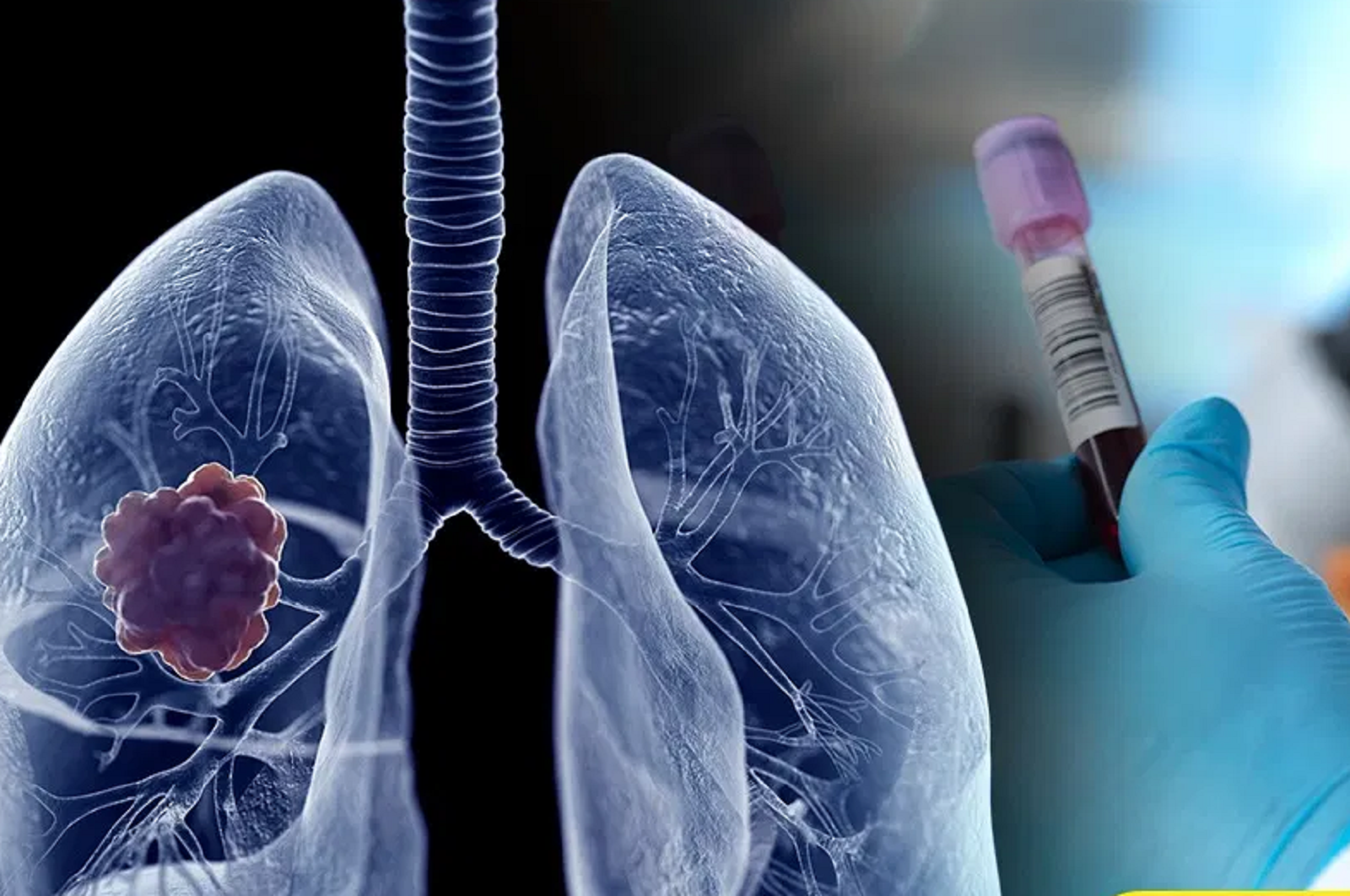
Lung cancer is one of the deadliest forms of cancer, largely because it is usually diagnosed at an advanced stage. Early symptoms are often mild or ignored, which delays detection and treatment. However, a new scientific development has raised hope that lung cancer could soon be identified much earlier through a simple blood test.
Researchers have developed a technique that can detect even a single cancer cell in the bloodstream, potentially changing how lung cancer is diagnosed.
Who developed this test?
The blood test has been developed by a team of researchers from:
-
University Hospitals of North Midlands NHS Trust (UHNM)
-
Keele University
-
Loughborough University
The team used an advanced method known as Fourier Transform Infrared (FT-IR) microspectroscopy to identify cancer cells in blood samples.
How does this blood test work?
The process begins with collecting a small blood sample from the patient. A specific light beam is then passed through the sample, allowing scientists to study the molecular structure of each cell.
Cancer cells have a unique molecular “fingerprint”. Using computer-based analysis, the system can identify these abnormal patterns and detect cancer cells—even if only one is present in the blood. This level of sensitivity is difficult to achieve with existing diagnostic tests.
Because of this, the test has the potential to detect lung cancer at a very early stage.
How is lung cancer diagnosed currently?
At present, lung cancer is usually diagnosed through:
-
Biopsy
-
Tissue sampling
These procedures are often painful, expensive and time-consuming. Reports may take several days, and patients experience physical discomfort during the process.
In contrast, a blood test would be far less invasive, quicker and more comfortable for patients, while also enabling earlier diagnosis and timely treatment.
What impact could this test have?
If successful on a larger scale, this technique could:
-
Enable early detection of lung cancer
-
Improve survival rates
-
Reduce dependence on invasive biopsies
-
Potentially be adapted for detecting other types of cancer
Researchers believe this could be a major breakthrough in cancer screening and monitoring.
What do experts say?
According to Dr. Rohit Kapoor, oncologist at Max Hospital, Delhi, the test is still in the clinical trial phase and must be tested on a much larger population before being approved for widespread use.
He noted that over 80 percent of lung cancer cases are currently diagnosed at a late stage, mainly due to the lack of effective early detection tools. If this blood test proves successful, it could revolutionize cancer diagnosis.
Current status of the research
The study is still ongoing and has not yet been completed. Scientists are waiting for trial results to confirm its accuracy and reliability before it can be made available for clinical use.