LIFESTYLE
Meet Bihar’s Famous Silk City: Discover the Heritage, Beauty and History of Bhagalpuri Silk
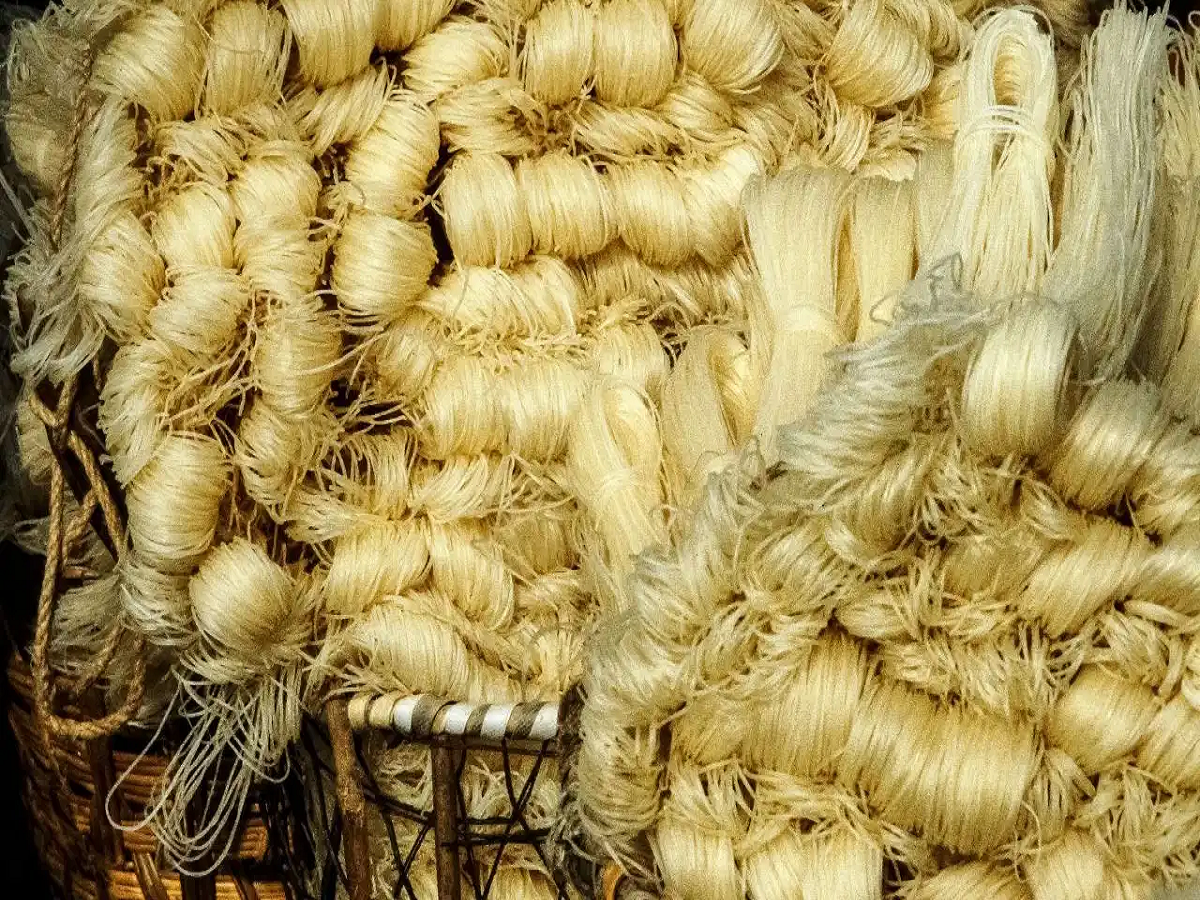
India has a rich textile heritage, with different regions celebrated for their distinctive fabrics, traditional weaving techniques and intricate designs. From Banarasi silk to Kashmiri Pashmina, Indian textiles have earned recognition for their craftsmanship and cultural significance. Among these renowned textile centres is a city in Bihar that has become famous for its beautiful silk fabrics.
Known as the Silk City of India, Bhagalpur is particularly celebrated for its distinctive Bhagalpuri silk. Its traditional weaving industry, skilled artisans and centuries-old connection with silk production make it an important part of India's textile heritage.
1. Bhagalpur: The City Behind the Famous Silk
Located in eastern Bihar on the southern bank of the River Ganga, Bhagalpur is widely known for its silk industry. The city has developed a strong identity around silk weaving, with generations of artisans contributing to the production of traditional fabrics.
Bhagalpuri silk is used to create sarees, dress materials, scarves, stoles and various home furnishings. These products are valued for their distinctive appearance and the craftsmanship involved in their production.
The city's textile industry also supports the livelihoods of numerous weavers, traders and other people associated with silk production and marketing.
2. What Makes Bhagalpuri Silk Unique?
One of the most recognisable varieties associated with Bhagalpur is tussar silk, also known as tasar silk. Unlike conventional mulberry silk, tussar silk is produced by silkworms that feed on certain forest trees.
Its characteristic texture, natural sheen and earthy golden tones give it a distinctive appearance. The fabric often has a slightly textured finish, making it different from the smoother look of many varieties of mulberry silk.
Bhagalpuri silk is also versatile. It can be used to produce traditional ethnic clothing as well as contemporary garments and accessories. Its combination of natural texture and traditional weaving makes it popular among people who appreciate Indian handloom fabrics.
3. A Weaving Tradition Passed Down Through Generations
Bhagalpur's association with silk production dates back several generations. Traditional weaving skills have been passed from one generation of artisans to the next, helping preserve the region's textile identity.
Scottish physician Francis Buchanan Hamilton documented the region's tussar silk industry during his survey of Bhagalpur in 1810–1811. His records provide historical evidence of the area's established connection with silk production.
Over time, silk weaving and trading became important economic activities in the region. The expansion of textile markets also helped Bhagalpuri silk reach customers beyond Bihar.
4. Bhagalpuri Silk Earns Recognition
Bhagalpuri silk's regional identity has helped distinguish it from other Indian silk varieties. The craft is associated with the skills of local artisans, traditional production methods and the area's long-standing textile heritage.
The fabric is often featured in sarees, suits, dupattas, scarves and other products that combine traditional aesthetics with modern designs.
Its reputation has also contributed to greater awareness of Bihar's handloom traditions, highlighting the importance of preserving regional textile crafts.
5. Challenges Facing the Traditional Silk Industry
Despite its rich heritage, Bhagalpur's silk industry faces challenges such as changing consumer preferences, competition from machine-made fabrics and pressure on artisans' incomes.
Traditional weavers must also adapt to changing market demands while maintaining the quality and identity of their products.
Supporting authentic handloom products, improving market access and creating awareness about traditional weaving can help artisans sustain their livelihoods and pass their skills on to future generations.
The Bottom Line
Bhagalpur is much more than a city in Bihar; it is an important centre of India's silk-weaving heritage. Its association with tussar silk, traditional craftsmanship and generations of skilled artisans has earned it the popular title of the Silk City of India.
The next time you come across a Bhagalpuri silk saree or stole, remember that its appeal lies not only in the fabric but also in the history, skills and traditions woven into every piece.