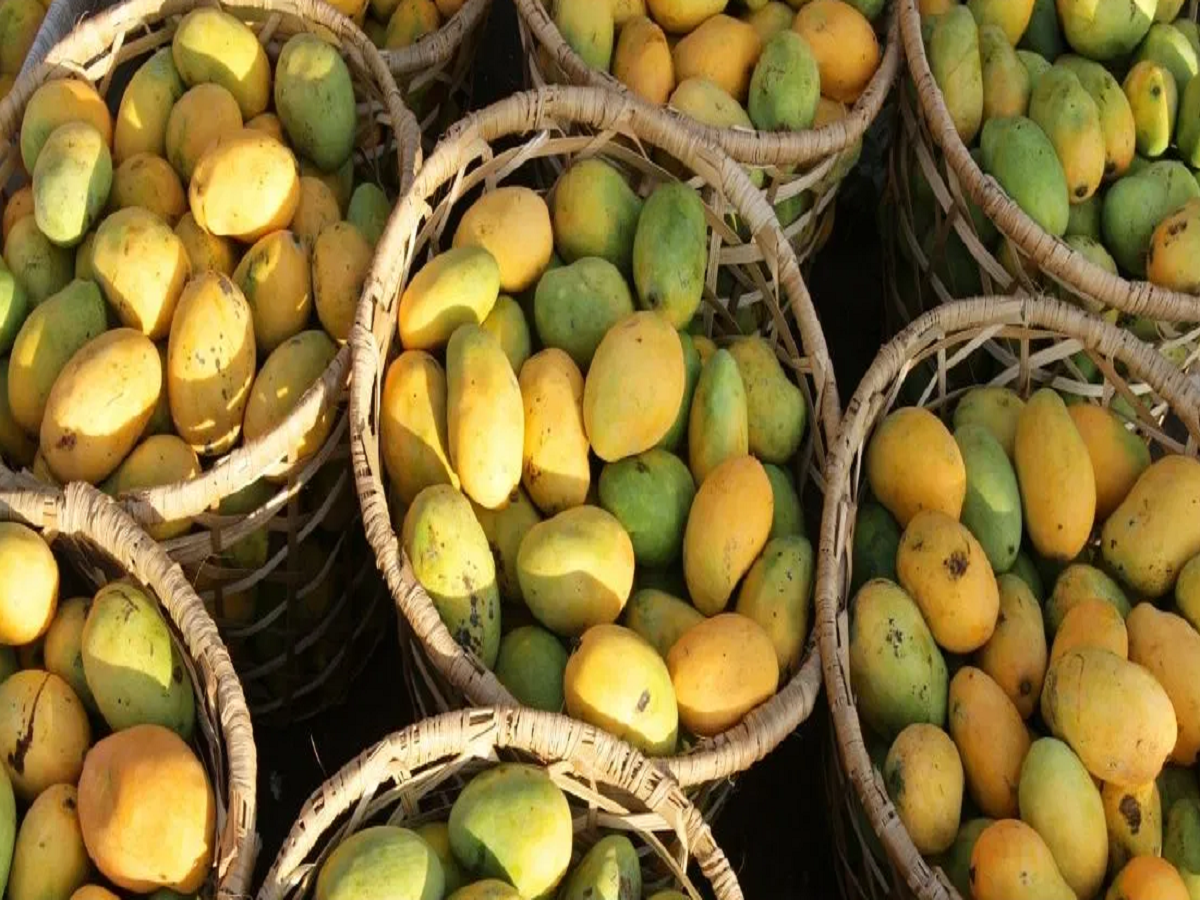
While the market is flooded with mangoes, many are ripened using calcium carbide or other industrial chemicals that can strip the fruit of its nutrients and pose health risks. To enjoy the authentic, tree-ripened taste of India’s favorite summer fruit, you can rely on time-tested "organic" methods used for generations.
By using natural heat and ethylene gas, you can ensure your mangoes are safe, sweet, and perfectly soft.
1. The Fruit Companion Method
Nature has its own ripening agent called ethylene gas. Certain fruits, like bananas and apples, release high amounts of this gas as they ripen.
-
The Process: Place your raw mangoes in a container with a ripe banana or a red apple.
-
Pro-Tip: Cover the container loosely with paper or dry grass and keep it in a warm corner of the room. Avoid placing it near air conditioners, as the cold will halt the process.
2. The Grain Storage Hack
One of the easiest and most effective methods used in Indian households is hiding mangoes inside grain containers.
-
The Process: Bury your raw mangoes deep within a bag or container of wheat or rice.
-
Why it works: Grains naturally trap heat and concentrate the ethylene gas released by the mangoes themselves. Under these warm, dark conditions, mangoes typically ripen within 2 to 4 days.
3. The Traditional Straw Bed
This method is a staple in rural orchards and helps ripen large batches of mangoes evenly.
-
The Process: Line a wooden box or a dark corner of a room with a thick layer of dry straw or hay. Place the mangoes on top, ensuring they aren't crowded, and cover them with another thick layer of straw.
-
Why it works: The straw provides insulation, generating the steady, natural heat required to turn the starch in the fruit into sugar.
4. Jute Bags and Newspaper
If you only have a few mangoes, the "wrap and trap" method works perfectly.
-
The Process: Wrap each mango individually in newspaper. Place the wrapped fruits into a jute bag (gunny bag) and tie the mouth of the bag tightly.
-
Why it works: The newspaper absorbs any excess moisture that could cause rot, while the jute bag provides the dark, warm environment necessary for natural maturation.
Essential Tips for Perfect Ripening
To ensure your mangoes don't spoil before they sweeten, follow these golden rules:
-
Stay Dry: Never wash raw mangoes before the ripening process. Contact with water can lead to fungal growth and hinder the natural chemical changes within the fruit.
-
Avoid the Fridge: Keep raw mangoes away from the refrigerator. Cold temperatures "shock" the fruit and prevent it from ever reaching its full sweetness.
-
The Ideal Temperature: For the best results, maintain a room temperature between 22°C and 28°C.
-
Darkness is Key: While mangoes need heat, they should be kept away from direct sunlight, which can cause them to shrivel or ripen unevenly.
By following these ancient methods, you can enjoy mangoes that are not only delicious but also as close to nature as possible.