NATIONAL
New Speed Limits on Noida and Yamuna Expressway: Revised Rules to Take Effect from December 15
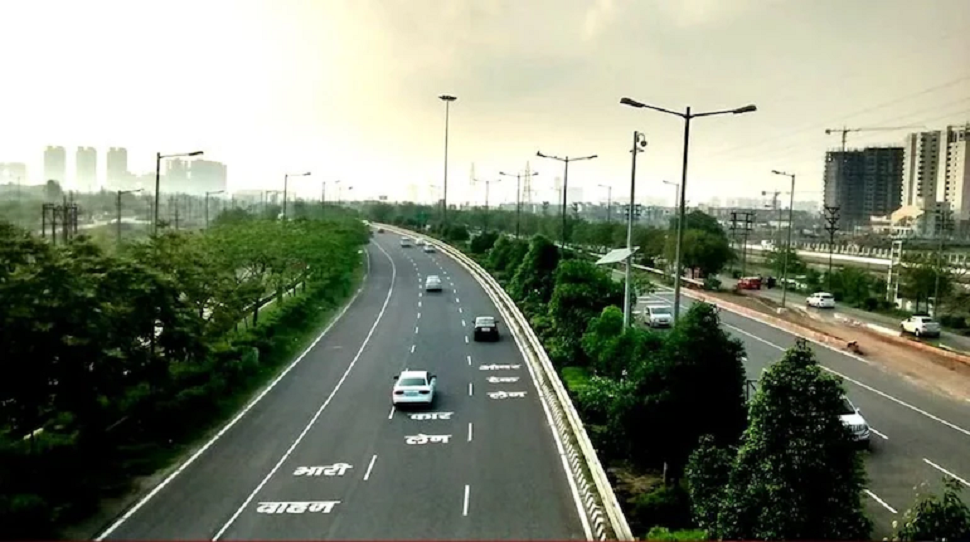
Commuters travelling across the Noida–Greater Noida corridor and the Yamuna Expressway will soon have to adjust to slower speeds on the road. Authorities have officially announced a reduction in speed limits on these major routes, with the revised norms becoming effective from December 15. This decision is expected to impact thousands of daily travellers across the region.
Why the Speed Limit Has Been Reduced
The move comes as part of a safety-first approach, especially during the winter months when fog and smog significantly reduce visibility. Every year, December and January witness a sharp rise in road accidents due to dense fog, making high-speed driving extremely dangerous. To curb accidents and improve overall road safety, officials have opted for stricter speed control.
Earlier, private cars were permitted to travel at 100–120 kmph on these highways. Under the new rules, the maximum permitted speed for cars has been brought down to 80 kmph. Speed limits for heavy vehicles such as buses and trucks have been reduced even further, acknowledging the additional braking distance and handling challenges these vehicles face.
Safety First: Authorities Prioritise Accident Prevention
Officials state that the primary aim of reducing speed limits is to ensure safer road conditions for everyone. Low visibility during winter often leads to multi-vehicle pile-ups, especially on high-speed stretches like expressways. By lowering speed limits, authorities hope to give drivers more reaction time and reduce the severity of accidents.
Road safety experts also highlight that controlling speed becomes crucial when visibility drops to only a few meters. For expressways known for their long, straight stretches, speeding during fog can turn even minor misjudgments into major accidents. The new speed rules, they believe, can help prevent such incidents.
Mixed Response From Commuters
Regular travellers on the Yamuna Expressway have expressed mixed sentiments about the decision. Some commuters say that although the new limits might add a few extra minutes to their journey, safety should always come first. Many have shared their support on social media, emphasising that reduced speeds are a small price to pay for saving lives.
However, a section of commuters feels that simply lowering speed limits is not enough. They have urged authorities to improve road signage, install more reflective markers and enhance surveillance systems. Several travellers also believe that better enforcement of rules will be essential to ensure that the new limits are followed in spirit, not just in law.
Experts Suggest Long-Term Improvements
Traffic and infrastructure experts agree that while reducing speed limits is a necessary step for winter safety, it cannot be viewed as a complete solution. Long-term road safety will require a combination of measures such as:
-
Better street lighting along fog-prone stretches
-
Smart traffic monitoring to track movement in real time
-
Warning systems to alert drivers about low visibility zones
-
Regular maintenance of road reflectors and safety boards
These improvements, experts say, will ensure that expressways remain safe not only during winter but throughout the year.
A Temporary Change With a Long-Term Message
While the revised speed limits may be seasonal or temporary, they underline a key message: road safety cannot be compromised. As visibility drops and weather becomes unpredictable, slowing down becomes essential. Authorities hope that the stricter rules will encourage responsible driving and reduce accident numbers significantly.
With the new regulations coming into force from December 15, commuters are advised to stay updated, follow the revised limits and drive cautiously. A slightly longer journey is always better than a risky one—because on the road, every life matters.