TECH
No More Network Dead Zones? Satellite Technology Could Soon Connect Smartphones Directly From Space
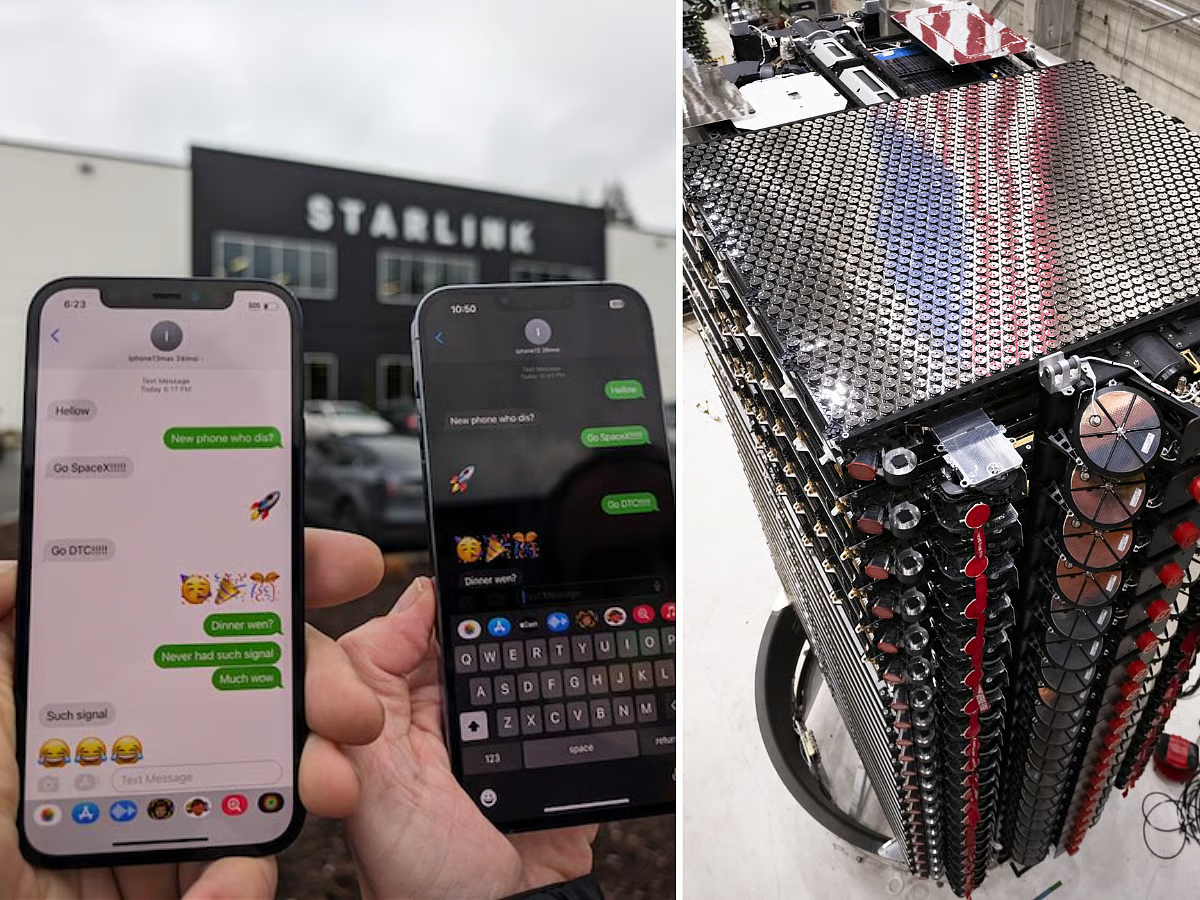
Imagine travelling through a remote mountain region, crossing a desert or exploring an area where mobile networks simply disappear. Your smartphone suddenly loses its signal, leaving you unable to send messages or access basic online services.
A new technology could help change that experience. Known as Direct-to-Device (D2D) satellite connectivity, it aims to connect ordinary smartphones directly to satellites orbiting Earth, potentially bringing mobile communication to places where traditional cell towers cannot reach.
What once required specialised satellite phones is gradually moving towards everyday mobile devices.
What Is Direct-to-Device Satellite Connectivity?
Direct-to-Device technology allows compatible smartphones to communicate with satellites instead of relying entirely on ground-based mobile towers.
Traditional mobile networks transmit signals through towers installed across cities, towns and rural areas. However, building this infrastructure in mountains, forests, oceans and remote locations can be difficult and expensive.
With satellite connectivity, a satellite can act as an additional connection point when conventional mobile coverage is unavailable. Depending on the service, users may be able to send messages, share their location and access selected communication features.
How Does the Technology Work?
The process involves communication between a smartphone, a satellite and the mobile network.
-
A compatible smartphone detects that normal cellular coverage is unavailable.
-
It establishes a connection with a satellite passing overhead.
-
The satellite relays the information to a ground station.
-
The information is then routed through the relevant mobile network.
-
The message or communication reaches its intended destination.
Many emerging systems use Low Earth Orbit (LEO) satellites, which operate much closer to Earth than traditional geostationary satellites.
This approach is designed to make communication more practical for ordinary mobile devices.
5 Ways Satellite Connectivity Could Transform Everyday Technology
1. Better Connectivity in Remote Locations
People travelling through mountains, forests, deserts and other isolated areas could benefit from additional communication coverage. It may also help communities located far from conventional mobile infrastructure.
2. More Reliable Emergency Communication
During natural disasters, mobile towers and other communication infrastructure can become unavailable. Satellite-based connectivity could provide an alternative communication channel for emergency messages and location sharing.
3. Support for Travellers and Outdoor Explorers
People travelling through remote regions could have an additional way to stay connected when traditional networks are unavailable. However, availability would depend on the service, device and location.
4. New Opportunities for Connected Devices
Satellite connectivity could eventually support more than smartphones. Connected vehicles, agricultural equipment, environmental monitoring systems and other Internet of Things (IoT) devices may also benefit.
5. A More Connected World
By combining satellite networks with traditional mobile infrastructure, telecom companies could extend their coverage beyond the areas served by conventional cell towers.
Major Technology Companies Are Entering the Race
The technology is attracting interest from several major players in the telecommunications and satellite industries.
Companies such as SpaceX, AST SpaceMobile and Lynk Global are developing satellite-based connectivity solutions.
Amazon Leo has also proposed a satellite constellation designed to provide direct-to-device services, including messaging, voice, data and emergency communication. Its announced plans include working with mobile network operators, with satellite deployment intended to begin in 2028.
The growing competition indicates that satellite connectivity could become an important part of the future telecommunications industry.
Does Every Smartphone Support Satellite Connectivity?
No. Not every smartphone or mobile network currently supports direct-to-device services.
Compatibility depends on the phone's hardware, software, mobile operator and the satellite service available in a particular country.
It is also important to understand that satellite connectivity does not automatically mean full-speed internet access. Some services currently focus on basic messaging and emergency communication, while broader voice and data capabilities are still developing.
What Challenges Could Slow Its Growth?
Despite its potential, satellite-to-phone connectivity faces several challenges.
-
Limited network capacity: Satellites may not initially support the same volume of users and data as traditional mobile networks.
-
Device compatibility: Not all smartphones are equipped to use every satellite service.
-
Regulatory requirements: Spectrum allocation and telecom regulations differ between countries.
-
Service costs: Building and maintaining satellite networks requires significant investment.
-
Signal limitations: Buildings, mountains and other physical obstacles can affect satellite communication.
These challenges will need to be addressed before the technology becomes widely accessible.
Is Satellite Connectivity the Future of Mobile Networks?
Satellite connectivity is unlikely to replace traditional mobile towers. Instead, it could work alongside existing 4G and 5G networks to fill coverage gaps and provide an additional layer of communication during emergencies.
As satellite technology develops and more smartphone manufacturers introduce compatible features, users may gradually experience fewer situations where losing network coverage means losing communication altogether.
The next major revolution in mobile connectivity may not come from building more towers on Earth, but from bringing the network closer to the sky.