LIFESTYLE
Protein and Fibre Together: 5 Healthy Foods That Can Boost Muscle Growth and Improve Digestion
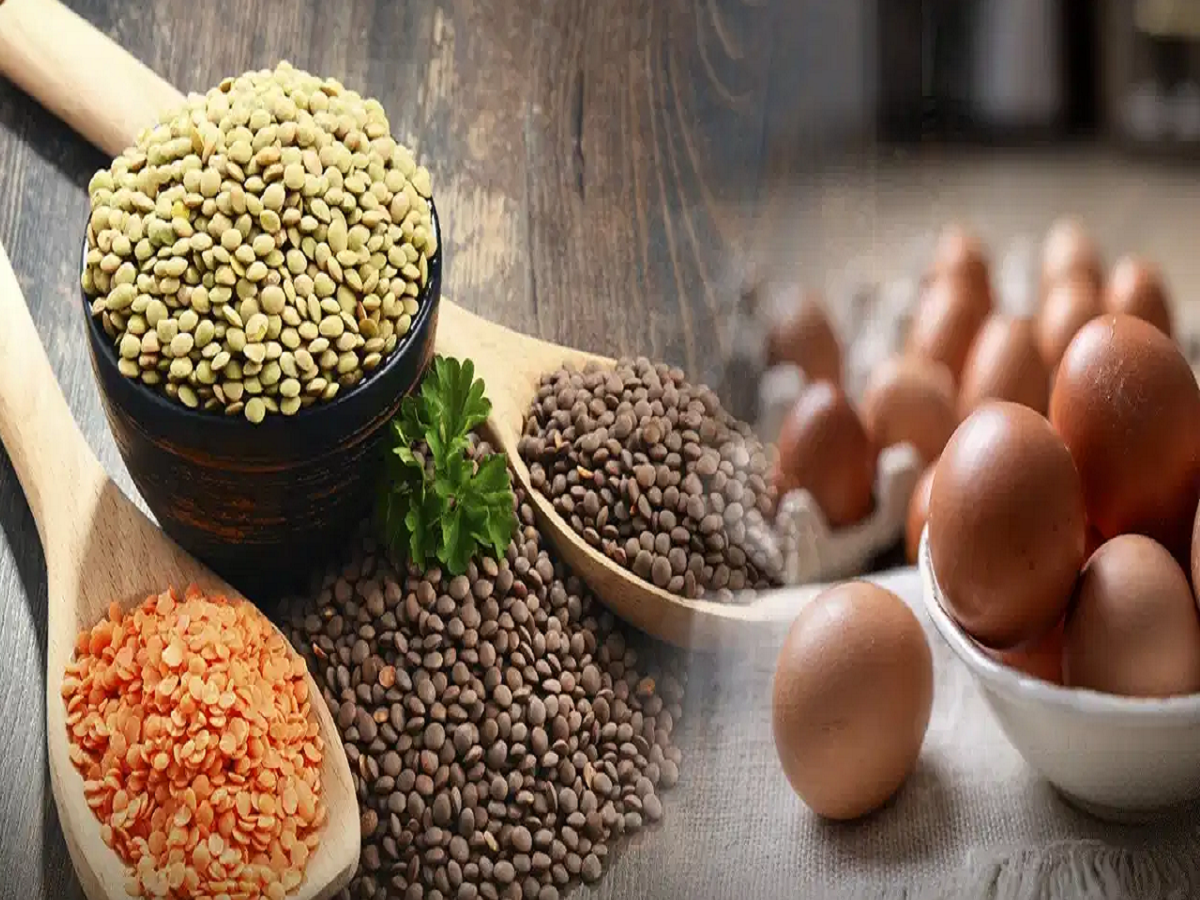
Protein often takes centre stage when people plan a healthy diet, especially those who want to build muscle or maintain fitness. However, fibre is equally important and should not be overlooked. While protein supports muscle repair and growth, fibre helps maintain digestive health, supports regular bowel movements and contributes to overall well-being.
Eggs and cheese are popular sources of protein, but they contain little to no fibre. Including plant-based foods that provide both nutrients can help you create a more balanced diet without making your meals complicated.
Here are five healthy foods that can help you increase your daily intake of both protein and fibre.
1. Lentils: An Everyday Superfood
Lentils, commonly known as dal in India, are among the easiest ways to add protein and fibre to your daily meals. They also provide essential nutrients such as iron, folate and potassium.
A bowl of cooked lentils can provide approximately 9–18 grams of protein and several grams of fibre, depending on the variety and serving size.
You can enjoy lentils with roti or rice, prepare a nutritious soup, or combine them with vegetables for a more balanced meal. Different varieties, including moong, masoor and urad dal, can add variety to your diet.
2. Green Soybeans: A Plant-Based Protein Powerhouse
Green soybeans, commonly known as edamame, are an excellent option for people looking to increase their plant-based protein intake. They also contain fibre, healthy fats and several essential micronutrients.
A 100-gram serving of cooked, shelled edamame typically provides around 12 grams of protein and 5 grams of fibre.
You can add them to salads, stir-fried vegetables and grain bowls. They also make a convenient snack when lightly seasoned. If you prefer traditional Indian foods, cowpeas, commonly called lobia, are another nutritious option that supplies both protein and fibre.
3. Chickpeas: A Simple Way to Improve Your Diet
White chickpeas, known as kabuli chana, and black chickpeas, or kala chana, are excellent additions to a balanced diet. Both provide plant-based protein, dietary fibre and important minerals.
One cup of cooked chickpeas generally contains around 14–15 grams of protein and approximately 12 grams of fibre, although the exact amounts depend on the serving size and preparation method.
For a nutritious breakfast or snack, soak black chickpeas overnight, cook them thoroughly and combine them with chopped cucumber, tomatoes, onions and lemon juice. You can also prepare chana curry, hummus or chickpea salads.
Their combination of protein and fibre can help you feel fuller for longer, making them useful for people trying to manage their appetite.
4. Quinoa: A Nutritious Alternative to Rice
Quinoa has become popular among health-conscious people because it provides protein, fibre and several essential minerals. It is also a useful alternative to rice when you want to add variety to your meals.
One cup of cooked quinoa provides approximately 8 grams of protein and 5 grams of fibre. It also contains all nine essential amino acids, making it a complete plant protein.
You can use quinoa to prepare salads, vegetable bowls and savoury porridge. It can also replace rice in selected meals or be combined with beans and vegetables to create a more protein-rich dish.
5. Oats and Seeds: A Healthy Start to the Day
Oats are well known for their fibre content, particularly beta-glucan, a soluble fibre that can help support healthy cholesterol levels. Although oats provide some protein, combining them with seeds can make breakfast more nutritious.
One cup of cooked oatmeal made with water typically provides around 5–6 grams of protein and 4 grams of fibre. Adding chia seeds, flaxseeds or pumpkin seeds can increase the protein, fibre and healthy fat content.
For a quick breakfast, prepare overnight oats with milk or curd and add chia seeds, nuts and fresh fruit. You can also mix oats into smoothies or use them to prepare savoury dishes.
Why Do You Need Both Protein and Fibre?
Protein and fibre perform different but complementary functions in the body. Protein helps repair tissues, maintain muscle mass and support muscle growth, particularly when combined with regular resistance training. Fibre supports digestive health, promotes regular bowel movements and can help regulate blood sugar and cholesterol levels.
For adults, a commonly recommended fibre intake is around 25–30 grams per day, although individual requirements vary. Protein needs depend on factors such as body weight, age, activity level and fitness goals.
The best approach is to include a variety of protein-rich foods, vegetables, fruits, whole grains, pulses and seeds in your daily meals. Increase fibre intake gradually and drink enough water to help your digestive system adjust.
Rather than focusing on protein alone, aim for a balanced diet that supplies both nutrients. Simple additions such as dal, kala chana, soybeans, quinoa and oats can help make everyday meals more nutritious and support your long-term health and fitness goals.