BUSINESS
Ration Card e-KYC: Why Every Beneficiary Should Complete This Process to Continue Receiving Food Grains
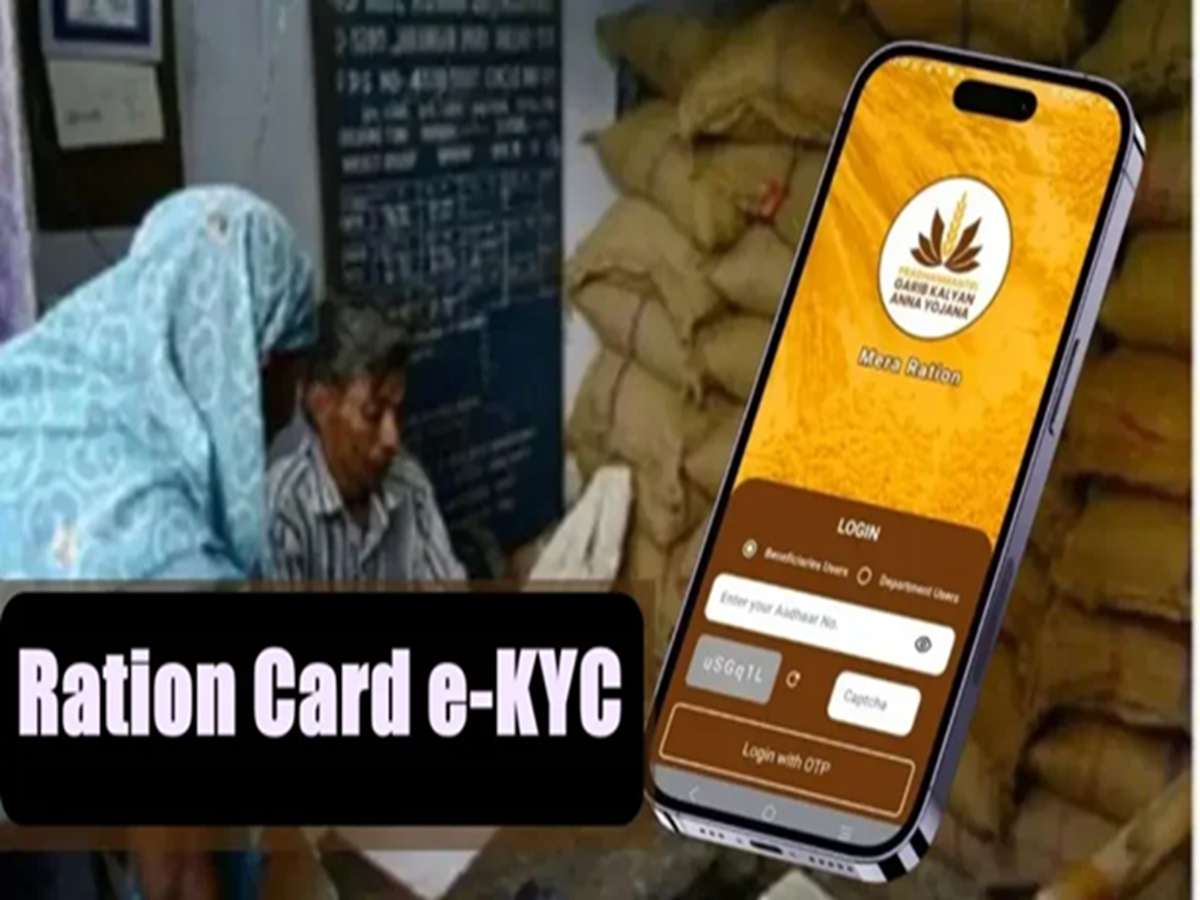
The government has been urging ration card holders to complete their e-KYC (electronic Know Your Customer) verification to ensure that food subsidies reach genuine beneficiaries. The exercise is part of an effort to make the Public Distribution System (PDS) more transparent, eliminate duplicate or fake beneficiaries, and improve the delivery of subsidized food grains.
If eligible beneficiaries fail to complete the required verification within the timelines announced by their respective state governments, they may face interruptions in receiving benefits under the ration distribution system.
What Is Ration Card e-KYC?
Ration Card e-KYC is a verification process that confirms the identity of beneficiaries using their Aadhaar details and biometric authentication. The process helps the government maintain an updated database of eligible households receiving subsidized food grains.
The verification is generally carried out through Fair Price Shops (ration shops), designated government centers, or other authorized facilities, depending on the state's implementation.
Why Is e-KYC Important?
The government introduced e-KYC to improve the efficiency of the Public Distribution System and reduce fraudulent claims.
Some of the key objectives include:
-
Identifying genuine beneficiaries.
-
Removing duplicate or fake ration cards.
-
Ensuring subsidies reach eligible families.
-
Improving transparency in welfare distribution.
-
Maintaining updated beneficiary records.
By verifying beneficiaries, authorities can better ensure that food assistance reaches those who need it most.
Who Needs to Complete the Process?
In many states, every member listed on the ration card may be required to complete e-KYC. Since implementation guidelines can differ from one state to another, beneficiaries should check the latest instructions issued by their local food and civil supplies department.
Completing the process on time helps avoid unnecessary delays or issues during ration distribution.
Documents Usually Required
Although requirements may vary by state, beneficiaries are generally expected to have:
-
Aadhaar card.
-
Ration card.
-
Aadhaar-linked mobile number (where applicable).
-
Biometric verification through fingerprints or iris scan, if required.
It is advisable to carry the original documents when visiting the designated verification center.
Benefits of Completing e-KYC
Once verification is completed successfully, beneficiaries can continue accessing food grains and other eligible benefits under the Public Distribution System without interruption.
An updated database also enables governments to improve service delivery and reduce administrative errors.
Common Mistakes to Avoid
Many people face inconvenience because of simple errors during verification. Beneficiaries should avoid:
-
Waiting until the last date.
-
Carrying incorrect or incomplete documents.
-
Ignoring updates issued by their state government.
-
Failing to update Aadhaar details if there are errors.
Checking personal information in advance can help ensure a smooth verification process.
How to Stay Updated
Since e-KYC schedules and procedures are determined by individual state governments, beneficiaries should regularly monitor announcements from their local Food and Civil Supplies Department or visit their nearest Fair Price Shop for the latest information.
Being aware of official deadlines can help prevent interruptions in receiving subsidized food grains.
The Bottom Line
Ration Card e-KYC is an important step in strengthening the Public Distribution System by ensuring that government food subsidies reach eligible households. Completing the verification process on time, keeping personal records updated, and following the latest state government guidelines can help beneficiaries continue receiving their entitlements without any disruption.