LIFESTYLE
Real vs. Fake Watermelon: Does watermelon contain chemicals? How do you know? Quickly check these 3 things, or you could lose your life
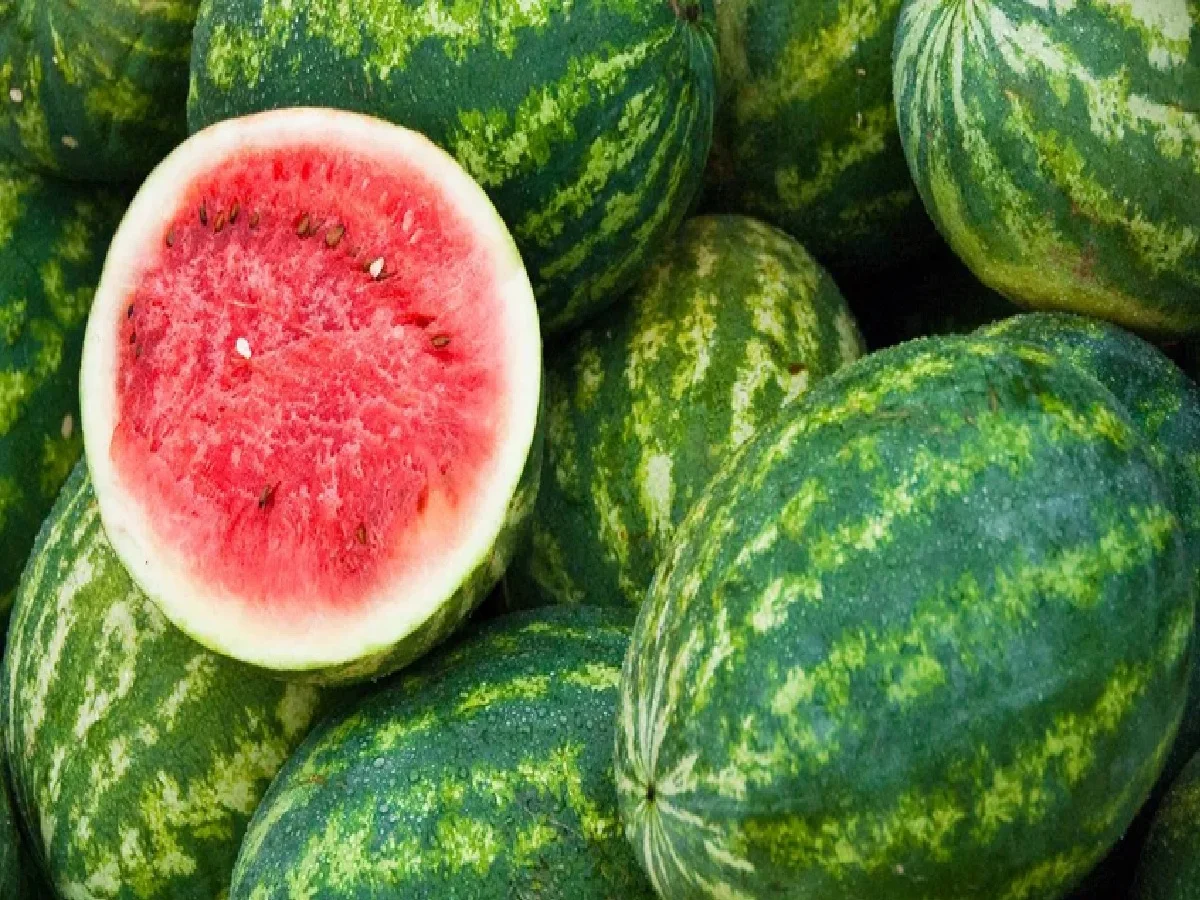
As soon as summer starts, the supply of watermelons increases in the market. Everyone likes to eat sweet, juicy watermelons and they are also beneficial for the body. The nutrients and water present in them help in keeping the body hydrated, but in reality, it is beneficial only if you eat good watermelon. Nowadays everything is being adulterated, and now even fruits are being adulterated. In this connection, the latest incident is of four members of the same family dying due to poisoning in Pydhuni, Mumbai on Sunday night. Husband, wife and two daughters had first eaten biryani and then watermelon on Sunday. In the morning, they started vomiting and having diarrhea. Later, all four died.
This incident has shaken everyone, and now people are afraid of watermelon. In fact, you might be wondering how fruits and watermelons can be adulterated? The outer layer of a watermelon may look completely real, but it's possible that coloring chemicals have been added to give it a red hue. Eating watermelon laced with such chemicals can make you sick and provide no benefit. So, let's learn how to differentiate between real and fake watermelons, as well as how to choose the right one. We'll tell you how.
Risk of food poisoning
Due to the high demand for watermelons during the summer, many vendors use chemicals to ripen them, giving them a deep red color. Sugar is also added to enhance the sweetness. Therefore, customers are often deceived and end up buying fake watermelons. However, consuming adulterated watermelons can cause food poisoning and various stomach problems. The Food Safety and Standards Authority of India (FSSAI) has explained how to distinguish between real and fake watermelons. Let's find out.
How to identify real and fake watermelon?
The simplest and easiest trick is the tissue paper trick. When you buy a watermelon, the shopkeeper will cut it open to show whether it's ripe or not. If you haven't tried this before, you can definitely try this trick. Ask the seller to cut a piece of watermelon and place tissue paper on it. If you place the tissue paper on the watermelon and it turns red or orange, it's a fake watermelon. If the tissue paper doesn't change color, it's a real fruit.
To identify a fake watermelon, you can use the water trick. Place a slice of watermelon in water. If it turns the water red, it's fake. Real watermelons never change the color of water. Chemically colored watermelons dissolve in water.
You can also identify a watermelon by its color. If the stem is yellow and dry, with a yellow spot at the bottom, it's ripe. If the stem is green, with a white spot at the bottom, a dark red color, and white
PC: TV9