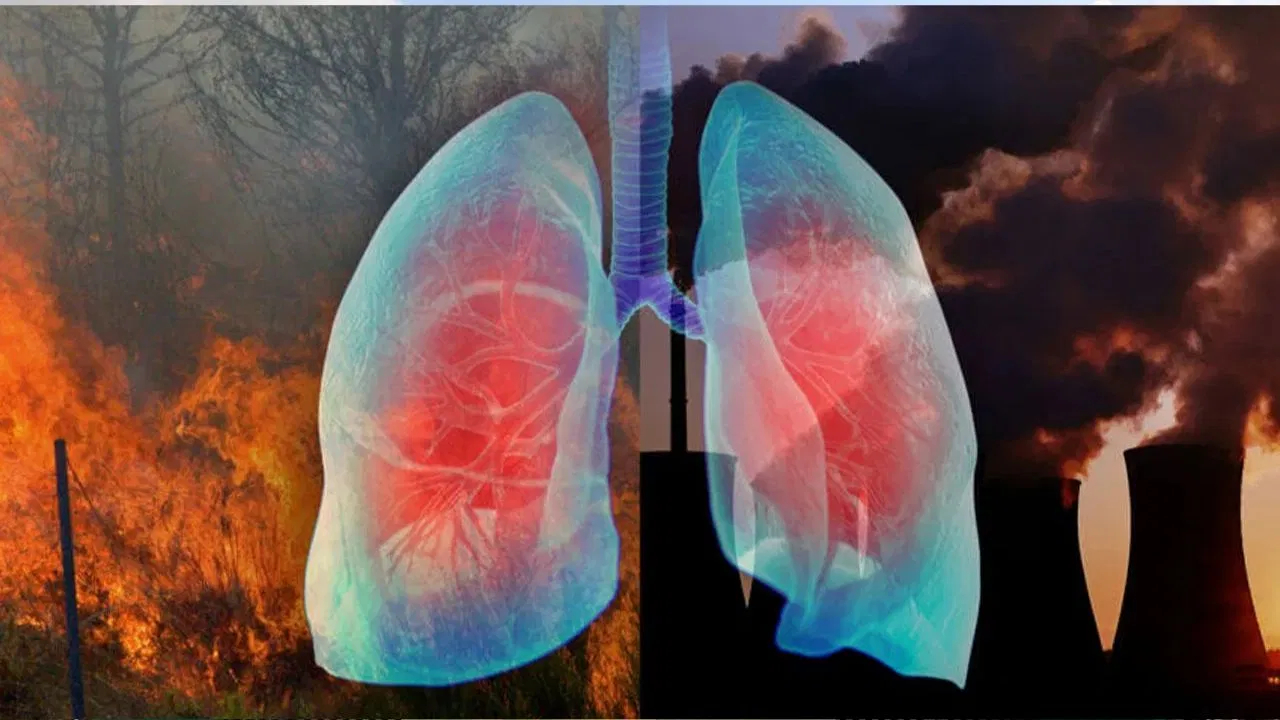
Rising air pollution levels in Delhi and surrounding regions are having a serious impact on lung health. Medical experts warn that prolonged exposure to polluted air is causing damage similar to what was seen during the COVID-19 period, with long-term consequences for the body.
In a special interaction with TV9 Bharatvarsh, senior radiologist Dr. Sandeep Sharma explained how pollution is silently harming the lungs and increasing the risk of serious diseases.
Pollution is creating patches in the lungs
According to Dr. Sharma, pollution has become extremely dangerous for lung health.
-
CT scans and chest X-rays are increasingly showing patches and damage in lung tissues
-
Fine particulate matter such as PM2.5 penetrates deep into the lungs
-
These particles can even enter the bloodstream, affecting multiple organs
This exposure significantly raises the risk of respiratory illnesses and cancer.
Lungs are not functioning properly
Dr. Sharma explained the severity of air pollution with a stark comparison:
-
An AQI of around 300 is roughly equivalent to smoking 15–20 cigarettes a day
-
Polluted air causes constant irritation and inflammation in the airways
-
Over time, this leads to reduced lung capacity and poor oxygen absorption
As a result, even people without prior respiratory issues may experience breathlessness, coughing, and fatigue.
Pollution is becoming a gateway to serious diseases
The long-term effects of pollution go far beyond temporary discomfort:
-
Lung cancer cases are rising, even among non-smokers, especially in cities like Delhi
-
India is expected to record around 81,200 lung cancer cases by 2025
-
Pollution-related complications have led to increased hospitalisations for COPD and asthma patients
Children and elderly at highest risk
Doctors warn that air pollution can cause permanent lung damage in children, affecting their growth and future respiratory capacity.
-
In children: Lung development can be permanently stunted
-
In the elderly: Existing respiratory and heart conditions worsen rapidly