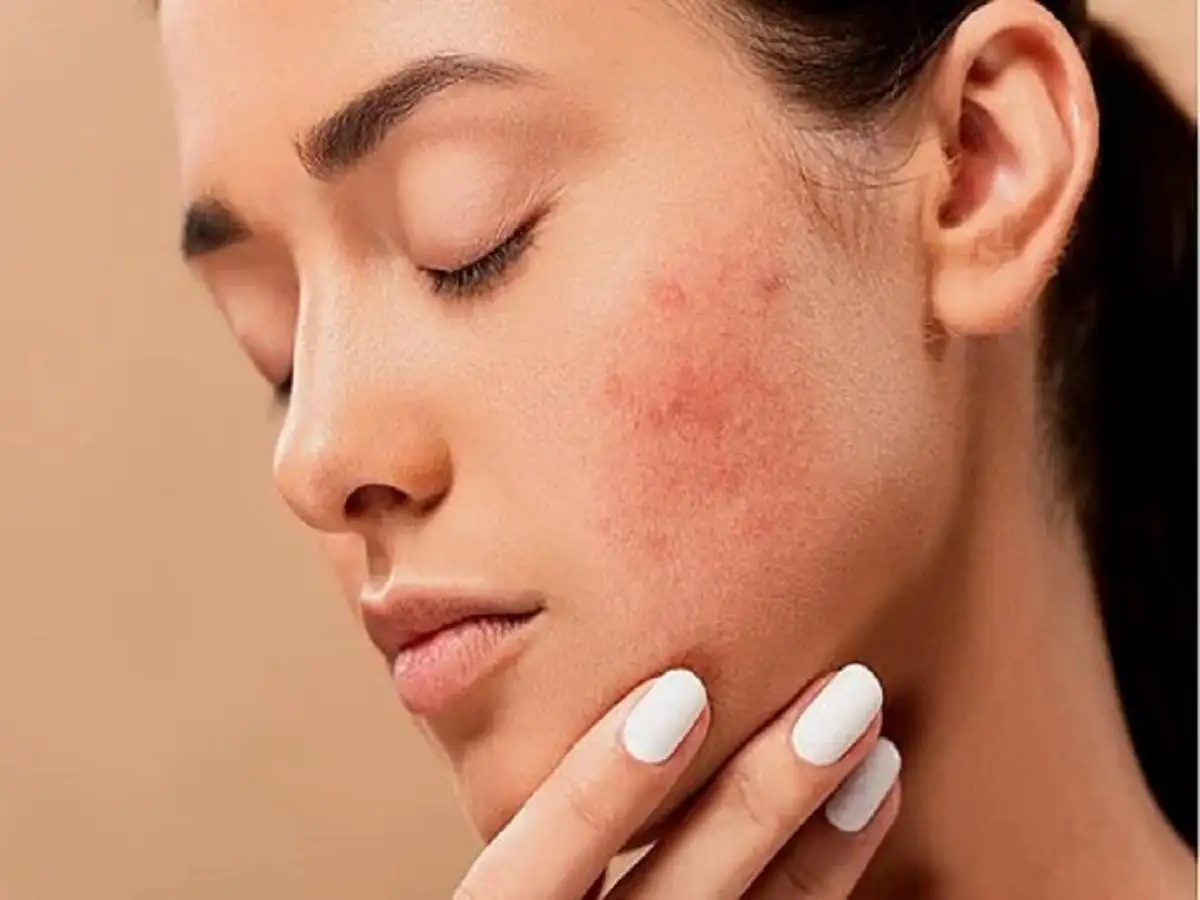
Skin Care Tips: Your skin can sometimes provide early clues about your overall health, including the condition of your liver. While many skin changes are harmless, persistent symptoms such as yellowing of the skin, unexplained itching, or unusual bruising may indicate an underlying liver disorder and should be evaluated by a healthcare professional.
The liver performs several essential functions, including removing toxins from the body, aiding digestion, storing nutrients, and supporting metabolism. Conditions such as fatty liver disease, excessive alcohol consumption, obesity, viral hepatitis, and certain medications can affect liver function. In some cases, the skin may be one of the first places where signs of liver disease become noticeable.
1. Yellowing of the Skin and Eyes (Jaundice)
One of the most recognizable signs of liver disease is jaundice.
Jaundice occurs when the liver is unable to process bilirubin, a yellow pigment produced during the breakdown of red blood cells. As bilirubin builds up in the bloodstream, it causes the skin and the whites of the eyes to turn yellow.
Other symptoms that may accompany jaundice include:
-
Dark-colored urine
-
Pale or clay-colored stools
-
Fatigue and weakness
-
Loss of appetite
If you notice yellowing of your skin or eyes, seek medical attention promptly.
2. Persistent Itching Without an Obvious Cause
Ongoing itching that lasts for weeks or months without a visible rash may sometimes be associated with liver disease.
The itching can:
-
Affect one area or the entire body.
-
Become worse at night.
-
Persist despite using moisturizers or anti-itch creams.
If persistent itching interferes with daily activities or sleep, it is advisable to consult a doctor for further evaluation.
3. Easy Bruising or Bleeding
The liver produces proteins that help blood clot properly.
When liver function is impaired, you may notice:
-
Bruises developing after minor bumps.
-
Frequent unexplained bruising.
-
Cuts taking longer than usual to stop bleeding.
These symptoms should be assessed by a healthcare professional, especially if they occur repeatedly.
4. Spider Angiomas (Spider-Like Blood Vessels)
Certain liver conditions may cause the appearance of spider angiomas—small, red, spider-shaped clusters of blood vessels visible beneath the skin.
They are commonly found on:
-
Face
-
Neck
-
Chest
-
Shoulders
While spider angiomas can occur in healthy individuals, multiple lesions accompanied by other symptoms may warrant medical evaluation.
Other Symptoms That May Suggest Liver Disease
In addition to skin changes, liver disorders may also cause:
-
Persistent fatigue
-
Loss of appetite
-
Nausea or vomiting
-
Pain or discomfort in the upper abdomen
-
Swelling of the abdomen
-
Swelling in the legs or ankles
-
Dark urine
-
Pale stools
-
Unexplained weight loss
-
Difficulty concentrating or confusion in advanced liver disease
When Should You See a Doctor?
You should seek medical advice if you experience:
-
Yellowing of the skin or eyes.
-
Persistent itching without an obvious skin condition.
-
Frequent unexplained bruising.
-
Skin changes accompanied by abdominal pain, swelling, fever, or significant fatigue.
A doctor may recommend blood tests, liver function tests, imaging studies such as an ultrasound, or additional investigations depending on your symptoms.
Tips for Maintaining Liver Health
To support healthy liver function:
-
Eat a balanced diet rich in fruits, vegetables, whole grains, and lean protein.
-
Maintain a healthy body weight.
-
Limit or avoid alcohol consumption.
-
Exercise regularly.
-
Get vaccinated against hepatitis A and B if recommended.
-
Avoid taking medications or supplements without medical guidance.
-
Manage conditions such as diabetes and high cholesterol.
Important Note
Skin changes alone do not necessarily mean you have liver disease. Many common skin conditions can cause similar symptoms. However, persistent or unexplained changes—especially when accompanied by other warning signs—should not be ignored.
Disclaimer: This article is intended for general informational purposes only and is not a substitute for professional medical advice, diagnosis, or treatment. If you notice persistent skin changes or symptoms suggestive of liver disease, consult a qualified healthcare professional for an accurate evaluation.