BUSINESS
Small Towns, Big Appetites: How Tier 2 and Tier 3 Cities Are Powering the Food Delivery Revolution
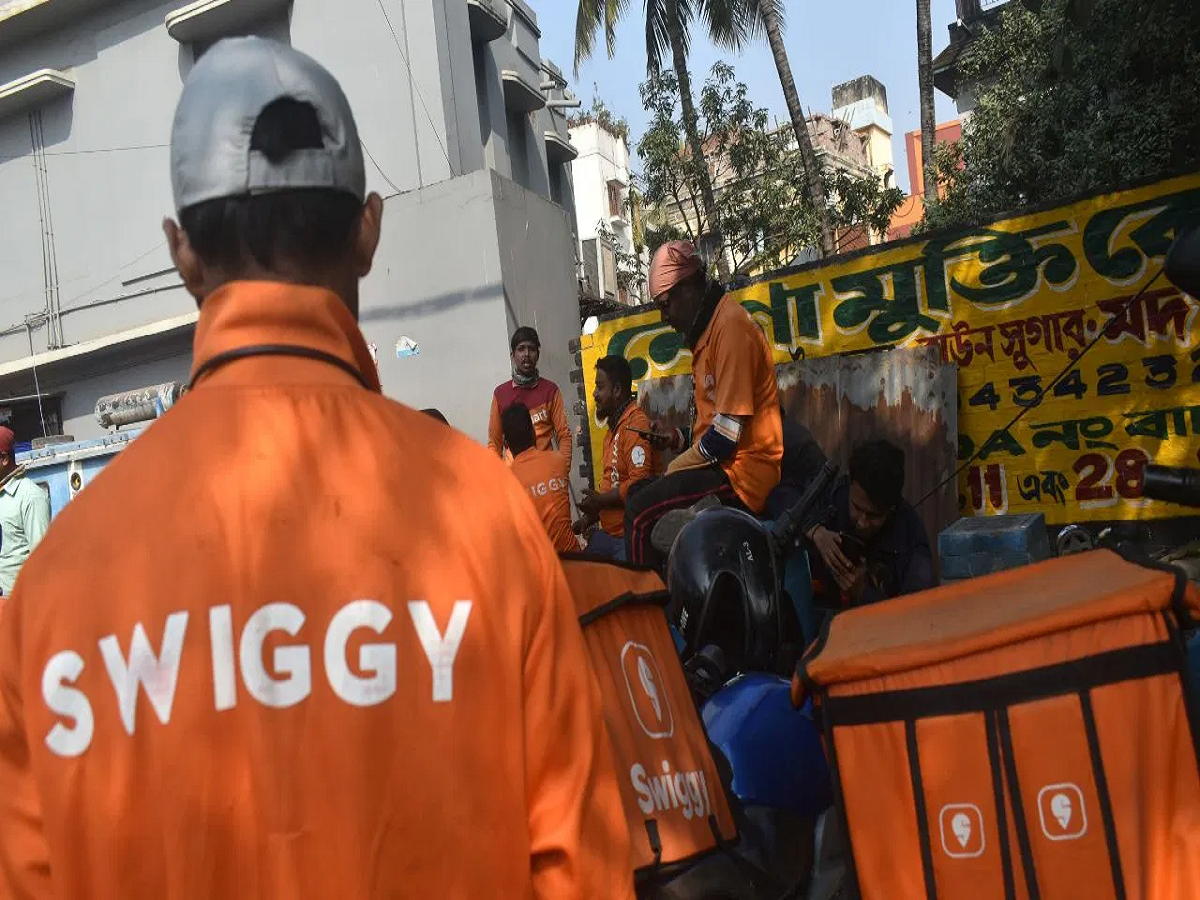
The food delivery landscape in India is undergoing a massive shift as the "quick commerce" and delivery boom moves beyond the bustling metros. While cities like Mumbai, Delhi, and Bengaluru were the early adopters, the real growth story of 2026 is emerging from smaller towns and regional hubs.
From Jaipur to Jamshedpur, the convenience of doorstep dining is no longer a luxury reserved for the urban elite; it has become a staple of modern Indian living.
The Shift to "Bharat"
The saturation of metropolitan markets has pushed major delivery giants to look toward Tier 2 and Tier 3 cities. These regions are now contributing to a significant percentage of new user acquisitions.
What’s Driving the Growth?
-
Rising Disposable Income: Families in smaller towns have more spending power than ever before, coupled with a growing aspiration for global cuisines.
-
Smartphone & Data Penetration: High-speed internet access has made ordering a meal as simple as sending a text, even in the most remote districts.
-
Local Restaurant Digitization: Small-scale local eateries are partnering with platforms to reach customers they never could have served through traditional walk-ins.
Changing Consumer Patterns
The data shows that small-town users aren't just ordering fast food; their habits are surprisingly diverse.
-
The "Regional Pride" Factor: While pizza and burgers remain popular, there is a massive surge in demand for local specialties and "Ghar ka Khana" (home-style meals) for office workers and students living away from home.
-
Late-Night Cravings: Surprisingly, the demand for late-night deliveries is growing faster in towns like Indore and Lucknow than in some traditional metros.
-
Healthy Habits: There is a notable uptick in "Wellness and Nutrition" searches, with users in smaller cities opting for nutritionist-recommended remedies, fresh salads, and Ayurvedic-inspired beverages.
Economic Impact and Job Creation
This boom isn't just about food; it’s a vital engine for the local economy.
-
Employment: The "Gig Economy" has provided thousands of delivery partner jobs in regions where traditional employment was limited.
-
Infrastructure: To maintain delivery speeds, companies are investing in "Dark Kitchens" and localized warehouse hubs, boosting real estate and logistics in these towns.
-
Women Entrepreneurs: Many "Home-Kitchens" run by women have found a national platform, allowing them to scale their culinary businesses from their own backyards.
The Road Ahead
As the sector continues to expand, the focus is shifting toward sustainability. Delivery platforms are increasingly testing electric vehicle (EV) fleets in smaller cities to manage long-term fuel costs and reduce their carbon footprint.
With the food delivery market expected to reach new heights by the end of the decade, the message is clear: the next chapter of India’s digital economy is being written in its smaller towns.