LIFESTYLE
Summer Appliances Will Stay Idle for Months! Follow These Simple Steps Before Packing Your AC and Cooler to Avoid Expensive Repairs
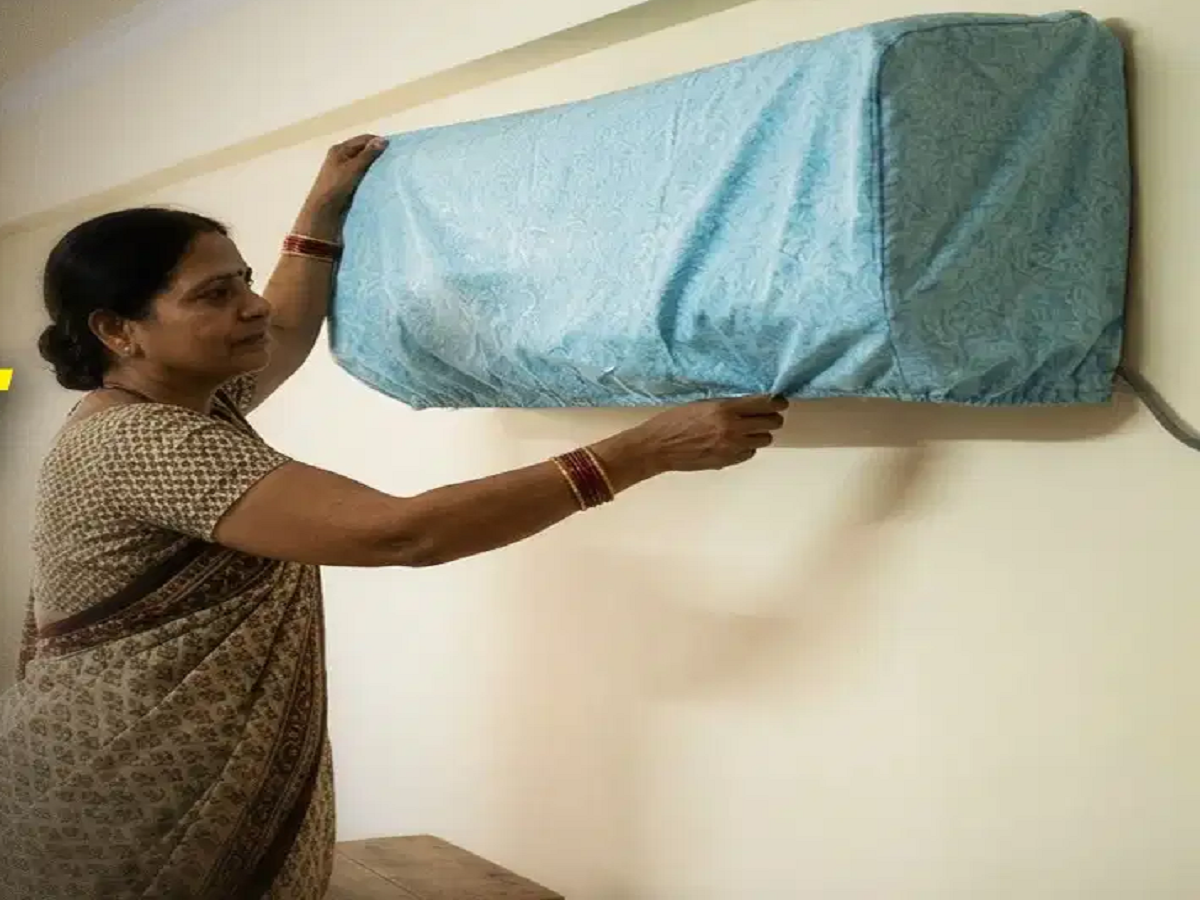
As winter approaches and temperatures begin to drop, the use of air conditioners and air coolers gradually comes to an end. Most households will not need these appliances for the next four to five months. While switching them off and covering them with protective sheets may seem sufficient, simply storing them away without proper cleaning and maintenance can lead to problems when summer returns.
Dust accumulation, trapped moisture, fungal growth and rust can damage important components during the storage period. This may result in poor cooling, water leakage or unexpected repair expenses. Therefore, taking a little time to prepare your AC and cooler before packing them away can help extend their lifespan and keep them in good condition.
1. Clean the AC Filter Before Covering It
The air filter is one of the most important components of an air conditioner. Over time, it collects dust, dirt and other particles. If moisture remains trapped in the filter while the AC is covered, it can encourage fungal growth and unpleasant odours.
Before storing your AC, open its front panel and carefully remove the air filters. Wash them according to the manufacturer's instructions and allow them to dry completely in a shaded, well-ventilated area. Once dry, reinstall the filters.
You can also run the AC in fan mode for a short period, if recommended by the manufacturer, to help dry the indoor unit. Finally, switch it off using the proper shutdown procedure and cover it with a suitable protective cover.
2. Do Not Ignore the Outdoor Unit
Many people clean their indoor AC unit but forget about the outdoor unit. However, it remains exposed to dust, leaves, rainwater and other environmental elements throughout the year.
Before storing the AC for the winter, remove loose dirt and debris from the outdoor unit. Clean the surrounding area and ensure that the drainage outlet is not blocked. Avoid opening the electrical compartment or attempting to clean sensitive components yourself.
Use a suitable protective cover that keeps out dust and rain while allowing adequate ventilation. Do not completely seal the outdoor unit, as trapped moisture can damage its components.
3. Clean the Cooler's Water Pump and Pipes
A cooler also requires proper maintenance before being stored for several months. Start by unplugging it from the power supply and completely emptying its water tank.
Remove the water pump and detachable pipes, if possible. Clean them thoroughly to remove dirt, mineral deposits and accumulated residue. Allow all the components to dry completely before putting them back into storage.
This step is important because stagnant water and moisture inside the pipes can encourage bacterial and fungal growth.
4. Remove and Dry the Cooling Pads
Cooling pads are particularly vulnerable to fungal growth because they remain in contact with water during regular operation.
Remove the cooler pads carefully and clean them using a gentle water spray, following the manufacturer's instructions. Avoid using excessive water pressure, as it may damage certain types of pads.
Allow the pads to dry completely in a well-ventilated area before storing them. If the pads are damaged, excessively worn or have developed a persistent unpleasant smell, consider replacing them before the next summer season.
5. Empty and Dry the Cooler Tank
Never leave water inside the cooler tank while storing it for an extended period. Remaining water can cause unpleasant smells, deposits and corrosion.
Drain the tank completely and wipe its interior with a clean, dry cloth. Leave it open for some time in a well-ventilated area so that any remaining moisture evaporates.
Once the tank is completely dry, check for rust, cracks or leakage. Address any issues before storing the cooler.
6. Store Both Appliances in the Right Place
After cleaning and drying all the components, cover the cooler with a suitable protective sheet to prevent dust accumulation. Similarly, use an appropriate AC cover without blocking ventilation requirements.
Keep the cooler and its removable components in a dry, clean and well-ventilated location. Avoid storing them in damp areas, near leaking roofs or places where rainwater can collect.
For added protection, keep the cooler in an upright position and avoid placing heavy objects on top of it.
Final Words
Preparing your AC and cooler before winter storage is a simple maintenance exercise that can save you from unnecessary repair bills when summer arrives. Cleaning filters, drying cooling pads, emptying water tanks and protecting outdoor units can significantly reduce the risk of moisture-related damage.
Instead of waiting until the next summer to discover a problem, spend a little time maintaining these appliances now. A few preventive steps today can help ensure that your AC and cooler are ready to deliver efficient cooling when temperatures start rising again.