BUSINESS
Supreme Court Cracks Down on Digital Arrest Scams! WhatsApp and Banks Asked to Explain Their Role in Cyber Fraud
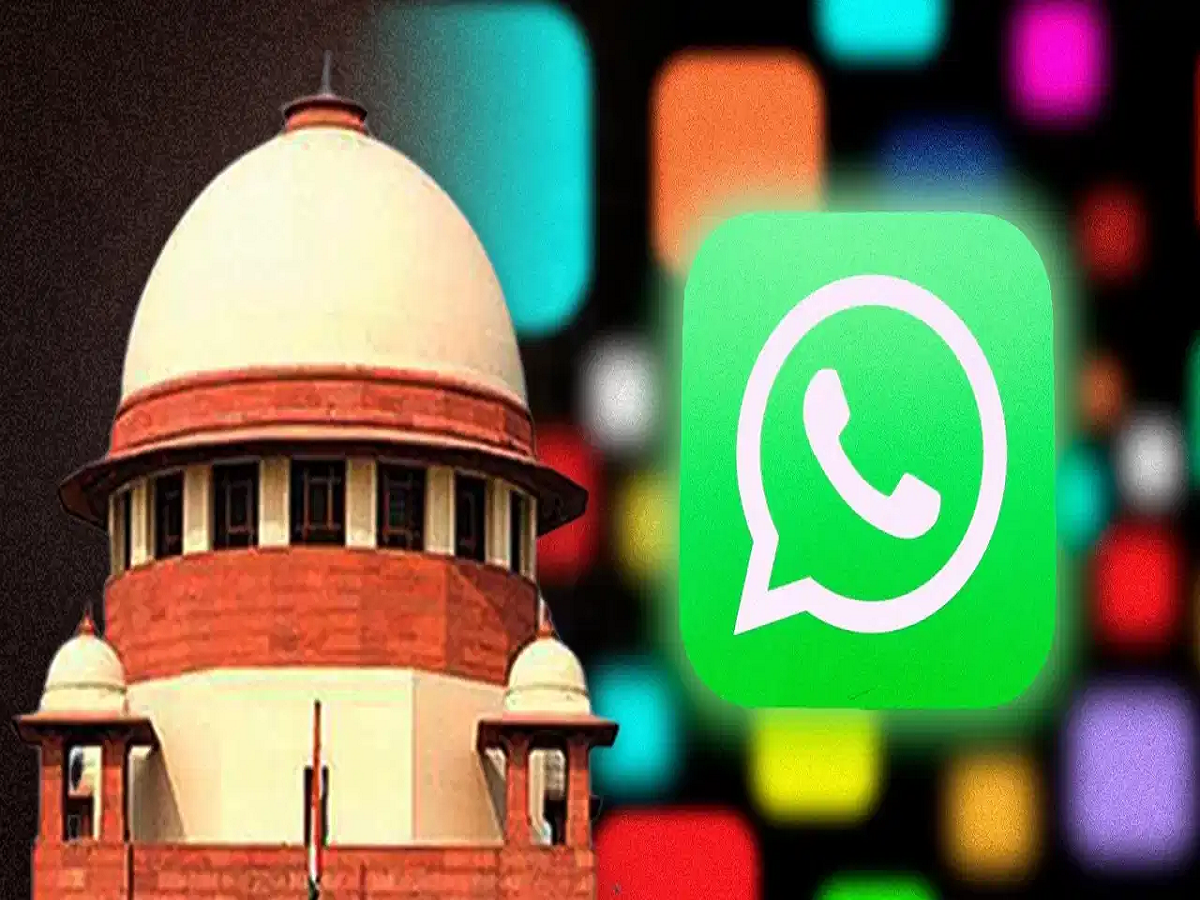
The Supreme Court has taken a strong stand against the growing number of digital arrest scams and online financial fraud cases in India. Expressing concern over the increasing misuse of digital platforms by cybercriminals, the court has sought answers from WhatsApp and other technology companies regarding the measures they are taking to prevent such crimes.
The court has also directed these platforms to share their action plans with the Indian Cyber Crime Coordination Centre (I4C) to strengthen coordination between technology companies and law enforcement agencies.
In an important observation, the Supreme Court also highlighted the responsibility of banks in preventing financial fraud. It indicated that banks could be held accountable if customers suffer losses because of negligence in identifying or stopping suspicious transactions.
Supreme Court Questions WhatsApp Over Cyber Fraud Prevention
A three-judge bench headed by Chief Justice of India Surya Kant was hearing a matter concerning digital arrest scams after taking suo motu cognisance of the issue.
During the proceedings, Kapil Sibal, appearing on behalf of WhatsApp, informed the court that the platform had taken action against approximately 9,400 accounts suspected of being involved in fraudulent activities.
He also explained that WhatsApp was developing specialised software to identify suspicious accounts and alert users before they become victims of scams.
The Supreme Court directed WhatsApp and other relevant digital platforms to present their strategies before the I4C. The objective is to improve coordination and develop a more effective mechanism to identify suspicious activities and prevent cybercrime.
Can Banks Be Held Responsible for Online Fraud?
One of the most significant aspects of the hearing was the Supreme Court's observations regarding the role of banks in cyber fraud cases.
The Chief Justice questioned why banks do not immediately intervene when customers suddenly begin transferring unusually large amounts of money compared with their previous transaction patterns.
The court suggested that banks should have systems capable of identifying unusual financial activities and temporarily holding suspicious transactions when necessary. Such transactions could then be reported to the cyber police for verification.
The court also highlighted the need for a compensation mechanism for victims who lose money because of negligence on the part of financial institutions.
This could make banks more accountable for monitoring suspicious transactions and protecting customers from fraudulent activities.
Supreme Court Examines RBI's Proposed KYC Rules for 2026
The Supreme Court has also taken note of the Reserve Bank of India's proposed KYC Amendment Directives, 2026.
The court wants the proposed framework to address issues related to digital arrest scams and compensation for victims of cyber fraud.
According to the proposed timeline discussed during the proceedings, the rules are expected to be notified by November 30, 2026, and implemented by December 31, 2026.
The Supreme Court has also asked the RBI to provide a list of authorised financial institutions during the next hearing.
What Does This Mean for People Facing Online Scams?
The Supreme Court's intervention could lead to stronger safeguards for people using digital payment services, messaging platforms and online banking facilities.
If implemented effectively, improved fraud detection systems could help identify suspicious transactions before large amounts of money disappear from victims' accounts.
The increased accountability of digital platforms and banks could also encourage faster reporting, better coordination with cybercrime authorities and stronger protection for customers.
However, users should continue following basic precautions. Never share OTPs, banking passwords or UPI PINs with anyone. Do not transfer money to people claiming to be police officers or government officials over video calls. Remember that legitimate law enforcement agencies do not arrest people through video calls or demand money to settle investigations.
The Supreme Court's action highlights the growing importance of digital security and the need for technology companies, banks and government agencies to work together against increasingly sophisticated cybercriminals.