LIFESTYLE
The risk of silent killers increases with the arrival of cold weather. If you see these signs, immediately consider it a heart attack

In winter, cold weather can increase blood pressure, increasing the risk of heart attack. Elderly people and those with high blood pressure or diabetes should exercise increased caution. It's crucial to recognize symptoms promptly and take appropriate preventive measures.
Heart Attack Warning Signs: With the arrival of winter, the risk of heart disease increases. Every year, the colder months see a rise in blood pressure (BP) and heart attack cases. This season is especially risky for the elderly, those with high blood pressure, diabetes, and heart disease. The question is: why do blood pressure and heart attacks increase in winter, and what precautions should be taken to protect yourself?
Why does BP increase in winter?
In cold weather, the body constricts its blood vessels to keep itself warm. This increases the pressure required for blood flow, thus increasing blood pressure.
- In cold weather, sweating is reduced, due to which the balance of salt and water in the body gets disturbed.
- Physical activity decreases.
- People eat more fried and salty food.
- All these factors together increase the risk of high blood pressure.
How does the risk of heart attack increase in winter?
The heart has to work harder than normal during the winter. When blood pressure rises, the strain on the heart increases, which increases the risk of heart attack.
Other than this
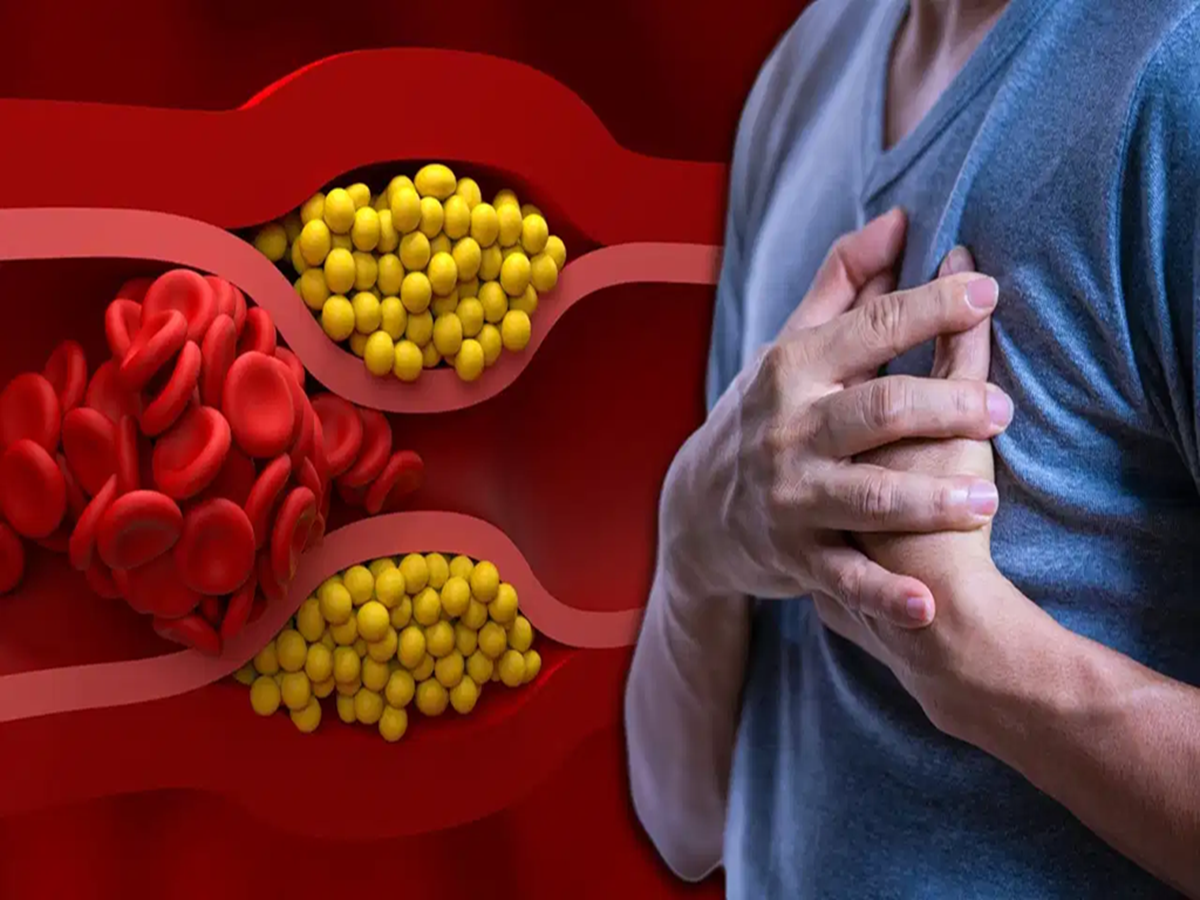
- Blood becomes thick in cold weather.
- Cholesterol levels may increase.
- Suddenly going out in the cold air in the morning can be dangerous.
- This is the reason why more cases of heart attack are seen in winter.
Who needs to be more careful?
- High blood pressure patients
- People suffering from heart disease
- Diabetes patients
- Elderly
- smokers
These people need special care during the winter months.
How to protect yourself from high BP and heart attack in winter?
- Avoid cold, wear warm clothes.
- Do not go out for a walk or exercise on very cold mornings.
- Check your blood pressure regularly.
- Take your prescribed medicines on time.
- Reduce the intake of salt and fatty foods.
- Avoid stress and get enough sleep.
If you experience chest pain, shortness of breath, or dizziness, contact your doctor immediately.
What are the signs of a heart attack
Heart attack symptoms can appear suddenly or gradually, so ignoring them can be dangerous. The most common symptoms are chest pain, pressure, or burning, which may spread to the left arm, shoulder, neck, jaw, or back. Shortness of breath, feeling choked, and suddenly breaking out in a cold sweat are also serious signs. Dizziness, lightheadedness, nausea, or vomiting can also be signs of a heart attack. Women may experience different symptoms, such as extreme fatigue, back pain, restlessness, and trouble sleeping. If you experience any of these symptoms, it's important to contact a doctor immediately.
Image Credit: GEMINI AI