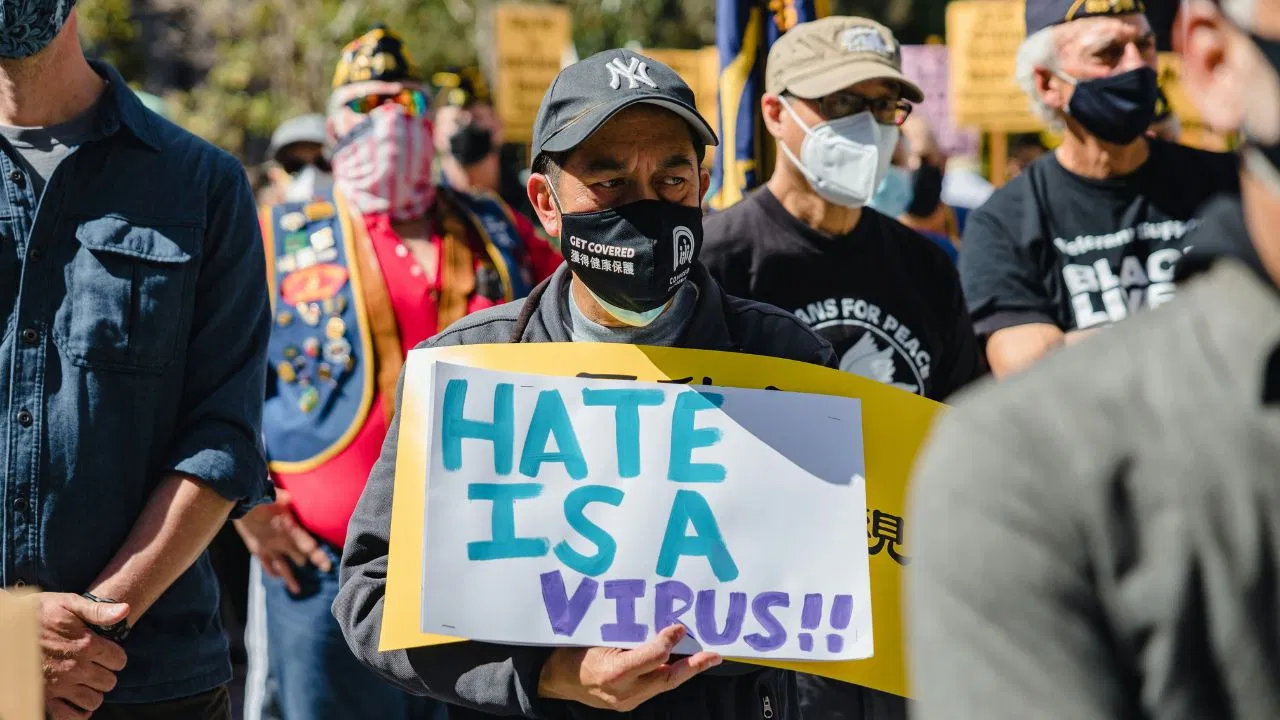
In the age of social media, the weaponization of words poses a significant danger, as extremist leaders skillfully use language to incite strong emotions and steer individuals toward radical thinking. Research analyzing the speeches and writings of notorious extremists worldwide shows that, despite their diverse ideologies, they rely on a remarkably consistent set of linguistic techniques.
Here are the six common language formulas used to radicalize individuals:
1. Building a Wall of "Us" and "Them"
The foundational technique is the exaggeration of difference and the creation of an in-group/out-group dynamic. Extremist rhetoric doesn't just state that the outside group is different; it portrays them as an existential threat, immoral, or the enemy.
-
Goal: To make the audience believe that their identity is under threat and that averting this danger is a necessary, even moral, duty.
2. Recourse to History and Heroes
Leaders establish an emotional connection with the audience by invoking ancient heroes, prominent historical figures, or mythic battles.
-
Goal: To make ordinary supporters feel they are part of a larger, grand, and timeless mission. This historical context is later used to justify drastic measures or violent action.
3. Making Arguments in the Name of Religion
The language technique often involves selective and distorted references to religious texts rather than direct religious discourse.
-
Goal: To make the message appear pious and give violence a divinely ordained or righteous image, effectively bypassing rational argument.
4. Pre-fabricating Grievances
Radical speeches frequently articulate grievances—such as feelings of humiliation, injustice, and cultural degradation—that the audience may not have consciously voiced before.
-
Goal: To gradually convince people they are victims targeted by a vast conspiracy, fueling deep-seated resentment and making them susceptible to the extremist "solution."
5. Family-Like Bond and Enemy-Like Distance
The rhetoric emphasizes intimacy within the in-group by referring to supporters as "brothers," "sisters," or "family." Conversely, the out-group is dehumanized by being simply referred to as "they," often using derogatory or non-human terms.
-
Goal: This intimacy and distance erodes empathy for the out-group, making it psychologically easier for individuals to accept or commit acts of violence against them.
6. Making Violence Seem Like a Duty
The final technique employs soft coercion rather than direct orders for violence. Actions are framed as necessary, mandatory, or essential for the survival and good of the group.
-
Goal: By framing the risk as a matter of survival or defense, violence is presented not as a crime, but as a form of moral duty or heroic self-defense.