LIFESTYLE
These 5 marks on your skin could be a sign of heart disease; rush to your doctor immediately
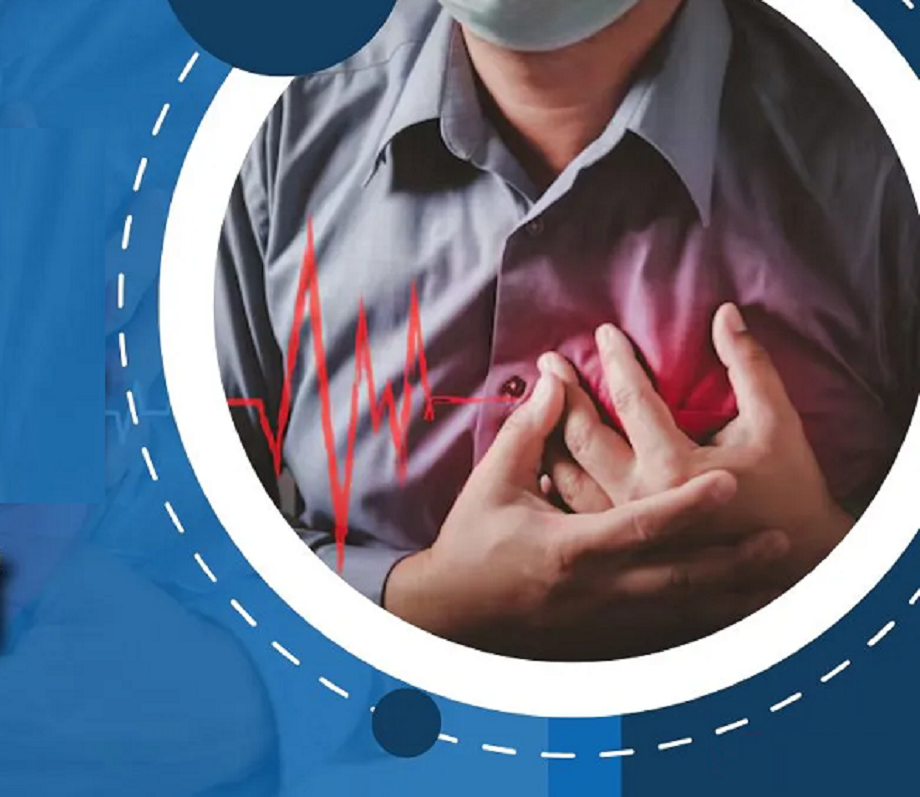
Heart disease is often called the "silent killer" because many of its symptoms aren't obvious in the beginning. But did you know that your skin can also provide important clues about your heart health?
Yes, our skin can signal underlying problems (Signs of Heart Disease on Skin). Let's explore how symptoms of heart disease can appear on the skin.
Swelling in the feet and lower legs
Persistent swelling in the ankles, feet, or toes can be a key sign of heart failure. When the heart isn't pumping blood properly, blood circulation slows and pressure in the veins increases. This causes fluid to leak into surrounding tissues, causing swelling. This swelling often worsens at the end of the day or after standing for long periods.
Blue or purple color to the skin
A sudden blue or purple color to the lips, fingers, toes, or skin can indicate that oxygen-rich blood is not reaching that part of the body properly. This could be due to peripheral artery disease or blockage in blood vessels, which is associated with an increased risk of heart attack.

(AI Generated Image)
Yellow-orange, waxy growths on the skin
These soft, yellow-orange growths that appear on the eyelids, knees, elbows, or buttocks are called xanthomas. They are lipid-filled lumps and indicate high cholesterol levels in the body, especially high triglycerides. This condition can lead to atherosclerosis, a risk factor for heart disease and stroke.
Blue or purple reticulated pattern on the skin
This reticulated, bluish-purple pattern on the skin often appears as the body's response to cold. However, if it persists or is accompanied by pain, it could be a sign of an underlying health problem. It may be linked to autoimmune diseases or peripheral artery disease, in which the arteries narrow, reducing blood flow to the heart.
A sudden appearance of a waxy rash on the skin
These small, reddish-yellow bumps, which appear suddenly and are often itchy, indicate high levels of triglycerides in the blood. This condition is often associated with diabetes. Both diabetes and high triglycerides are risk factors for heart disease and heart attack.
PC : Jagran