TECH
This technology will prove to be a boon for paralysis patients: they will be able to operate a computer without touch or speech..
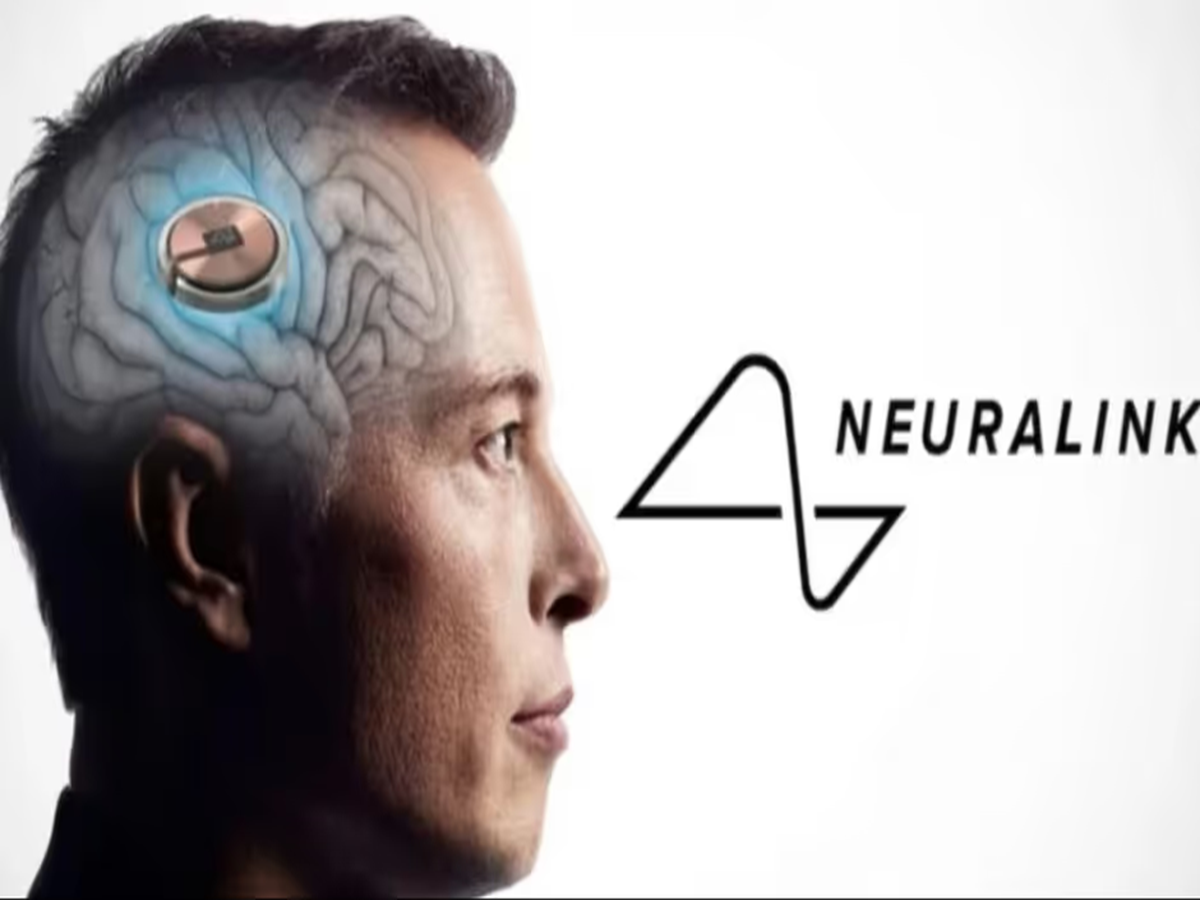
Imagine being able to operate a computer or communicate with others without needing a keyboard or even speaking aloud. You simply think, and the computer understands your intent. Elon Musk’s company, Neuralink, is working on technology that does exactly this. Musk has shared new details about the company’s first product, "Telepathy," which will allow people to interact with computers and other individuals at high speeds—purely through thought.
What is Neuralink’s first product, "Telepathy"?
Elon Musk announced details about Neuralink’s debut product, Telepathy, on the social media platform X. He explained that the technology is designed to enable communication with computers and other people using only one’s thoughts.
Musk has named this first product "Telepathy." He states that it facilitates high-speed communication with computers or other humans through thought alone. In a few years, its output bandwidth could potentially far exceed the speeds of human speech or typing.
In essence, Neuralink aims to transmit instructions to computers using signals generated by the brain. Musk claims that, in the future, this technology could enable communication at speeds surpassing a person’s ability to speak or type.
How could it help those living with paralysis?
Musk suggests that, in the coming years, the company could work on routing signals from the brain’s motor and sensory areas to various parts of the body. He noted that, hopefully, within a few years, they will be able to transmit signals from the brain’s motor and sensory regions to the limbs, potentially allowing individuals to regain the use of their hands or the ability to walk.
According to this statement, Neuralink’s long-term goal is to develop technology capable of relaying these brain signals to the body’s limbs. However, this remains a possibility for now, and further research and testing may be required to achieve it.
Neuralink has also shared a video of a 72-hour hackathon focused on refining its technology. During the event, the company’s team worked on new features designed to facilitate communication for individuals with speech impairments by leveraging brain signals. Three key features were highlighted:
1. Voice Activity Detection System
This feature enables the system to automatically detect when a person is attempting to speak. Users do not need to press a button each time; instead, the system identifies the specific brain signals associated with the intent to speak.
2. Visual Tools
Neuralink’s visual tools help users understand which types of mental imagery or intentions generate the strongest brain signals. This allows users to identify which imagined or intended actions are most effectively recognized by the system.
3. Grok Integration
The company has also incorporated Grok integration. Users can activate the Grok agent—simply by thinking the phrase "Hey Neuralink"—and provide instructions for tasks. In essence, this offers the capability to interact with an AI assistant through thought alone.
What makes Neuralink’s technology unique?
Neuralink’s brain-computer interface enables communication between the human brain and a computer. This holds significant promise for individuals who face challenges with speaking, typing, or moving their limbs. Ultimately, the goal of enabling communication with a computer—essentially "telepathy" through thought—represents a truly remarkable advancement.
PC Social Media