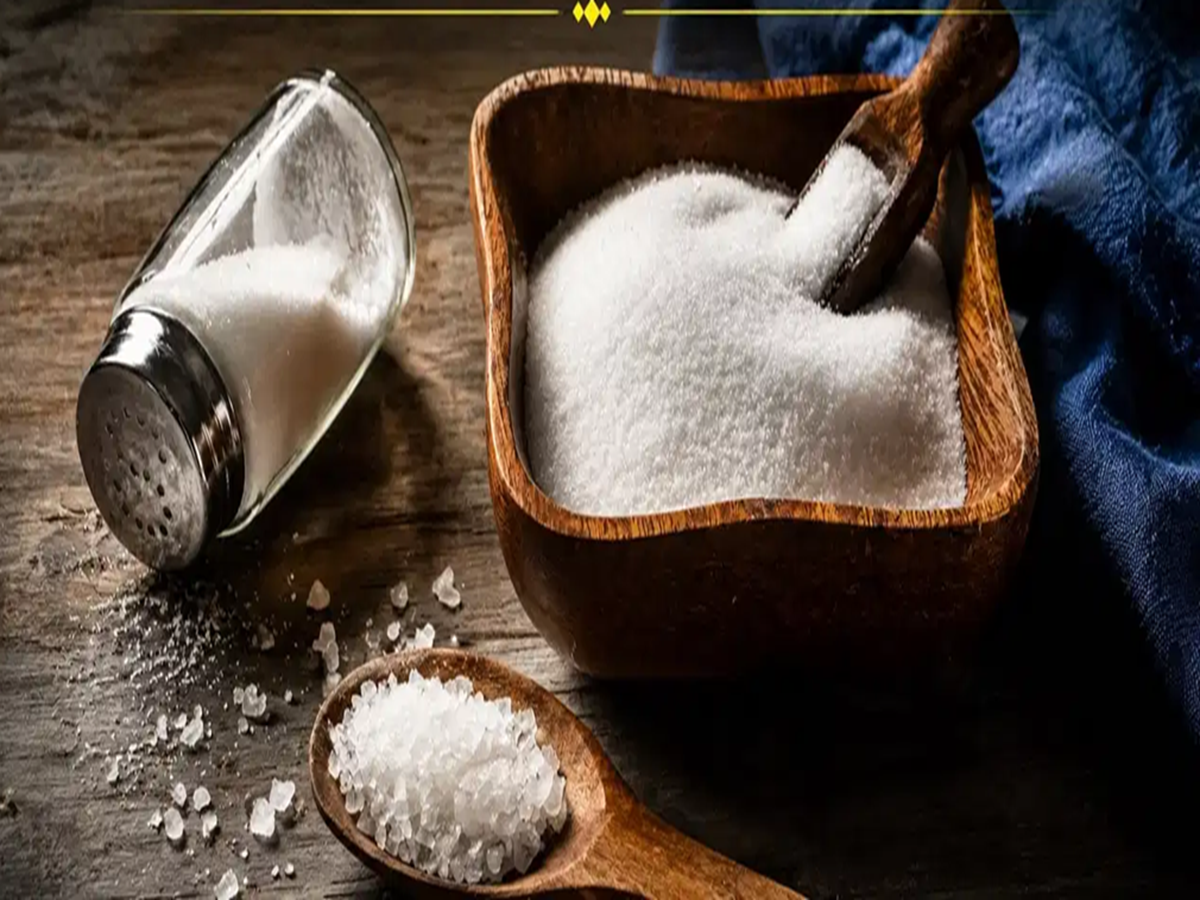
Salt is an important part of our daily meals, adding flavor and helping the body function properly. However, many people unknowingly consume far more salt than they need. From packaged snacks and chips to pickles, instant foods, and restaurant meals, hidden salt is present in many everyday foods, making it easy to exceed the recommended limit.
While the body needs sodium to support nerve function, muscle movement, and fluid balance, excessive intake over time can seriously affect your health. Maintaining the right balance is essential for long-term well-being.
How Much Salt Should You Consume Daily?
For most healthy adults, the recommended daily limit is about one teaspoon of salt, which provides approximately 2,300 mg of sodium.
People with conditions such as high blood pressure, heart disease, kidney disease, or certain other medical conditions may need to consume even less sodium, as advised by their healthcare provider.
It's also important to remember that your daily sodium intake doesn't come only from the salt you add while cooking. Processed and packaged foods often contain large amounts of hidden sodium, which can quickly add up throughout the day.
Health Risks of Eating Too Much Salt
Regularly consuming excessive salt may increase the risk of:
- High blood pressure
- Heart disease
- Stroke
- Kidney problems
- Fluid retention and bloating
Reducing excess sodium intake can help lower these risks and support better overall health.
Simple Ways to Cut Down on Salt
Making a few small changes can significantly reduce your daily sodium intake:
- Limit packaged, processed, and fast foods.
- Read nutrition labels and choose low-sodium products whenever possible.
- Cook fresh meals at home more often.
- Add flavor with herbs, spices, lemon juice, ginger, garlic, or coriander instead of extra salt.
- Avoid sprinkling additional salt over cooked food.
- Reduce salt gradually so your taste buds can adjust naturally.
The Bottom Line
Salt is essential, but more isn't always better. Since a large portion of sodium comes from processed foods rather than the salt shaker, paying attention to your overall intake is just as important as limiting the salt you add while cooking. Small dietary changes today can help protect your heart, kidneys, and overall health in the long run.