LIFESTYLE
What happens after death? 10 religions' mysterious answers to the concepts of heaven, hell, and reincarnation!
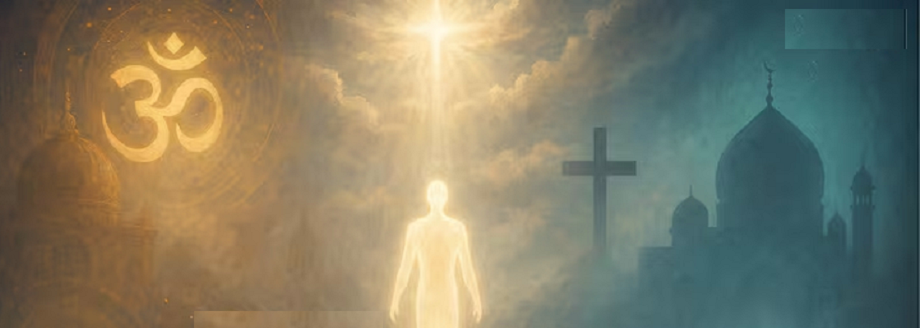
Afterlife in different religions: The concept of death after birth is mentioned in many religions. There are more than 20,000 religions worldwide that believe in the concept of reincarnation.
Concepts of life after death in different religions
Have you ever wondered what happens after death? It's a question humans have always pondered. Religion can answer this question, with beliefs like heaven, hell, or reincarnation. There are nearly 4,000 religions worldwide, and there are almost as many beliefs about what happens after death. Let's learn about the beliefs about the afterlife according to 20 major religions.
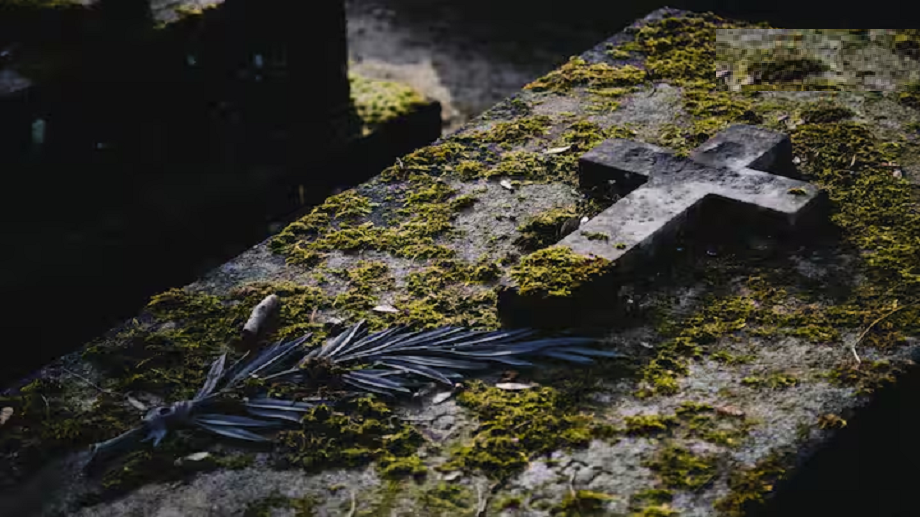
Christianity tells us that death does not mark the end, but rather the beginning of new life. Christians believe that every living being has a soul and that God will judge them after death. Many believe that you either go to heaven or hell.

Islam teaches that death should be embraced rather than feared, as it is not the end. They believe that Allah sends an angel to take a person's soul, and after a while, two other angels test their faith. Muslims believe that if they are pure, they will be sent to Barzakh to await the Day of Judgment.
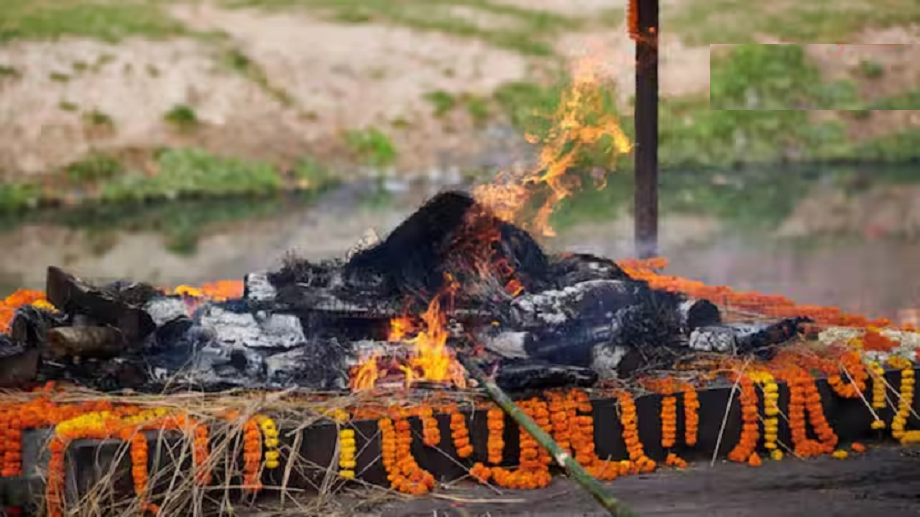
Most Hindus believe that humans go through a cycle of death and rebirth, called samsara or reincarnation. Humans can be reborn in another body, even as animals. Some Hindus believe that liberation from the cycle of rebirth is achieved through moksha.
According to Buddhism, life and death are continuous processes. Once death occurs, the soul continues to move and can be reborn more than once. Many believe that when, where, and how rebirth occurs is determined by a person's accumulated karma.
Sikhs believe that after death, the soul is reborn based on its deeds and that liberation from the cycle of rebirth can be achieved by meditating on God and controlling ego.
There are varying beliefs about life after death in Judaism. According to Judaism, death is not the end of human existence. The resurrection of the dead is also a fundamental belief of the religion.
The Bahá'í Faith states that after death, the soul continues its journey, passing through the spiritual worlds, and the body may return to dust, but the soul experiences freedom and happiness. Bahá'ís believe that the soul's progress is aided by God's grace and the good deeds and prayers of the living. Death is not viewed as something to be feared.
Jainism, a major religion in India, is one of the world's most ancient religions. According to Jainism, the soul exists forever and goes through a cycle of birth and rebirth. Liberation is achieved by freeing the soul from the karma that binds it to the cycle of rebirth. Jains believe that the path to good karma is to live a completely nonviolent life.
According to Zoroastrianism, after death, the soul is judged on the Chinvat Bridge, which leads either to heaven or hell. Zoroastrianism believes in good thoughts, good words, and good deeds. They believe that all souls will be purified at the end of time and return to God.
Shinto, a local religion originating in Japan, has over 3 million followers worldwide. The Shinto view of the afterlife revolves around the idea that the soul continues to live after the body's death and continues to assist the living. Followers of this religion believe that after death, people become sacred spirits.
PC:ABPNews