INTERNATIONAL
Who is Baghdadi’s new successor Abdul Qadir Mumin? The man who quickly rebuilt ISIS’s army
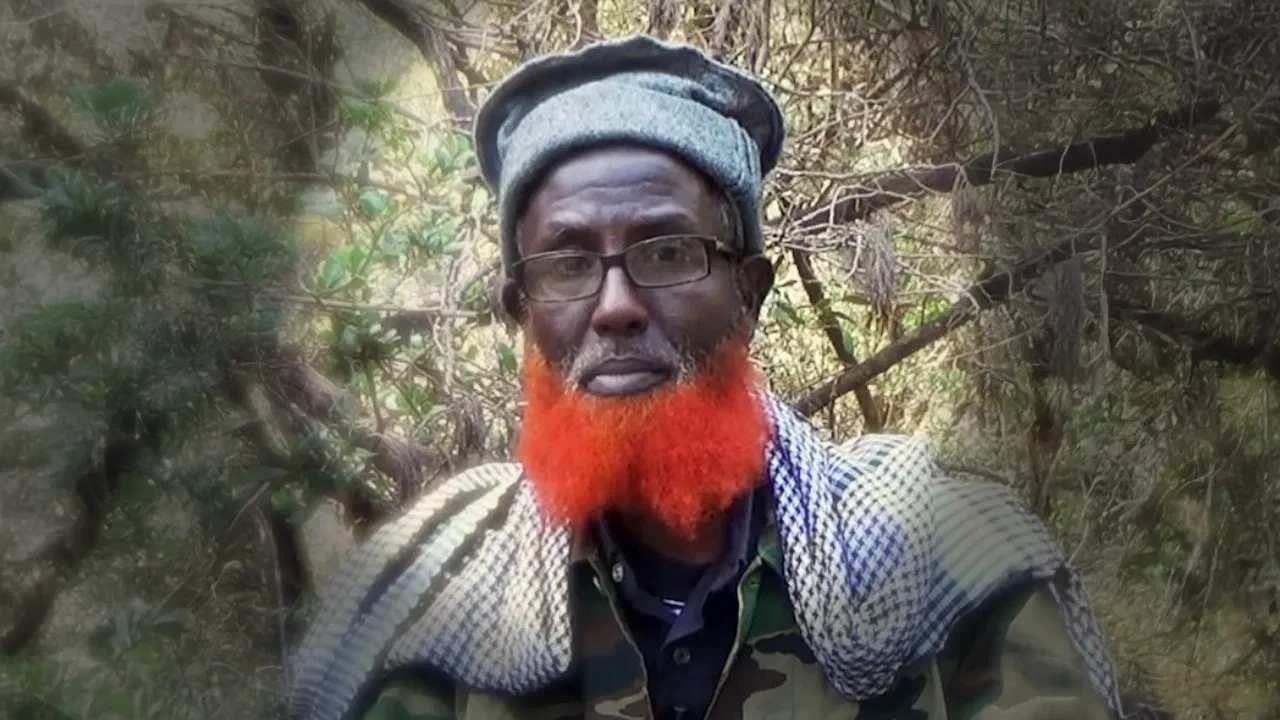
A London-based preacher, once a familiar face in mosques across Britain, is now believed to be the new global leader of ISIS — the extremist network once commanded by Abu Bakr al-Baghdadi. Abdul Qadir Mumin, known for his long orange beard, is now running ISIS operations from the rugged hills and caves of Somalia, while repeatedly escaping U.S. counter-terrorism strikes.
For months, Somali and American security forces have been hunting him. Last week, after interrogating a captured ISIS fighter, U.S. jets launched missiles at fortified caves in Puntland. Several bodies were recovered after the strikes — but Mumin was not among them, reinforcing his reputation for elusiveness.
Who is Abdul Qadir Mumin?
Born in the Puntland region in the 1950s, Mumin left Somalia during its civil war and eventually reached Europe. He emerged as a preacher at London's Greenwich Mosque and, according to British intelligence, spent significant time in East African cafés in London, recruiting and radicalising young men.
During this period, he interacted closely with two infamous British extremists:
• Jihadi John (Mohammed Emwazi) – known globally for beheading Western hostages in ISIS videos
• Michael Adebolajo – involved in the brutal 2013 murder of British soldier Lee Rigby
Both men had attempted to join militant groups in Somalia earlier but failed.
From Sweden to Britain — and then into terrorism
Mumin originally lived in Sweden before returning to the UK in the early 2000s. He later became a preacher at Leicester’s Quba Mosque, but his increasingly radical ideology alarmed the local community.
Facing rising scrutiny, he fled Britain for Somalia in 2010, where he initially joined al-Shabaab, later pledging allegiance to al-Qaeda. In 2015, he released an audio message declaring that he had broken away from al-Qaeda affiliates to align himself fully with ISIS.
Building ISIS’s new base in Somalia
After ISIS was militarily crushed in Iraq and Syria, many of its commanders escaped to East Africa. Exploiting the chaos in Somalia, Mumin established a new ISIS base in the Cal Miskaad mountains of Puntland.
When he first declared allegiance to ISIS, he had just 30 fighters.
By late 2024, that number had grown to 1,200.
U.S. intelligence agencies now believe that Mumin’s faction has become ISIS’s new global operational hub, especially after the collapse of the group’s Middle Eastern strongholds.
Reports further claim that Mumin’s network financed several international attacks — including the 2021 suicide bombings at Kabul airport, which killed 169 Afghans and 13 American soldiers during the U.S. withdrawal from Afghanistan.