LIFESTYLE
Why do vaginal infections increase in the summer? Learn how to prevent them from your gynecologist
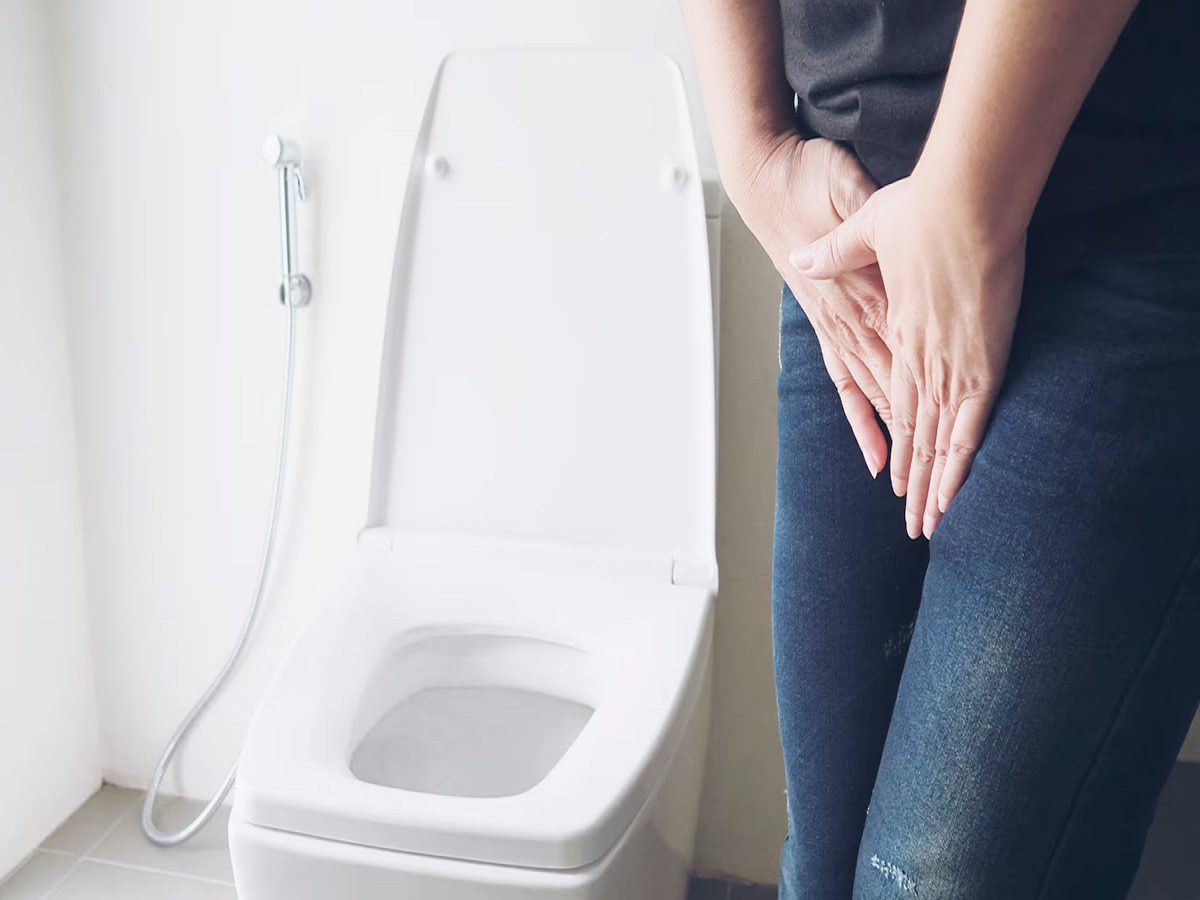
Humidity and sweat in summer increase the risk of vaginal infections in women, which can be serious if ignored. In this article, gynecologist Geetanjali Setia explains the causes, symptoms, and prevention methods.
While summer brings sweat, heat, and stickiness, it can also increase the risk of vaginal infections in women. Many women ignore this problem, considering it normal, but recurring infections can lead to serious complications in the future. Therefore, it is important to understand its causes and preventive measures. Dr. Geetanjali Setia, Consultant Obstetrician, Gynecologist, and IVF Expert at Macure Hospital, Delhi, explain this in detail.
Reasons for increased vaginal infections in summer
Humidity and sweat are the main causes of increased vaginal infections during summer . Excessive sweating keeps the intimate area moist, creating a favorable environment for bacteria and fungus to thrive. This problem is especially aggravated by wearing tight and synthetic clothes, as such clothes do not allow air to pass through and sweat does not dry out. Furthermore, due to frequent sweating in summer, many women do not pay adequate attention to hygiene. Wearing wet clothes or undergarments for a long time, not changing clothes after swimming, or using intimate washes containing too many chemicals can also increase the risk of infection.
Symptoms of vaginal infection
Common symptoms of a vaginal infection include itching, burning, foul-smelling discharge, burning during urination, and discomfort. If these symptoms are ignored, the infection can worsen and treatment may take longer. Therefore, do not take any unusual symptoms lightly and consult a doctor promptly.
Prevention of vaginal infections
Cleanliness and adopting healthy eating habits are key to prevention. Always wear cotton underwear, which absorbs sweat and allows air to pass through. Change your undergarments at least once a day, and twice a day is better if you sweat heavily. Avoid tight jeans or synthetic clothing, especially for long periods of time.
When practicing intimate hygiene, use mild products. Avoid washes with excessive chemicals or fragrances, as these can disrupt the vagina's natural pH balance. Remember that the vagina is capable of self-cleaning, so excessive cleansing or douching should be avoided.
Hydration is also essential in the summer. Drinking enough water flushes out toxins and reduces the risk of infection. Additionally, eat a balanced diet that includes yogurt and probiotic foods, as these promote good bacteria in the body.
Image Credit: Freepik.com