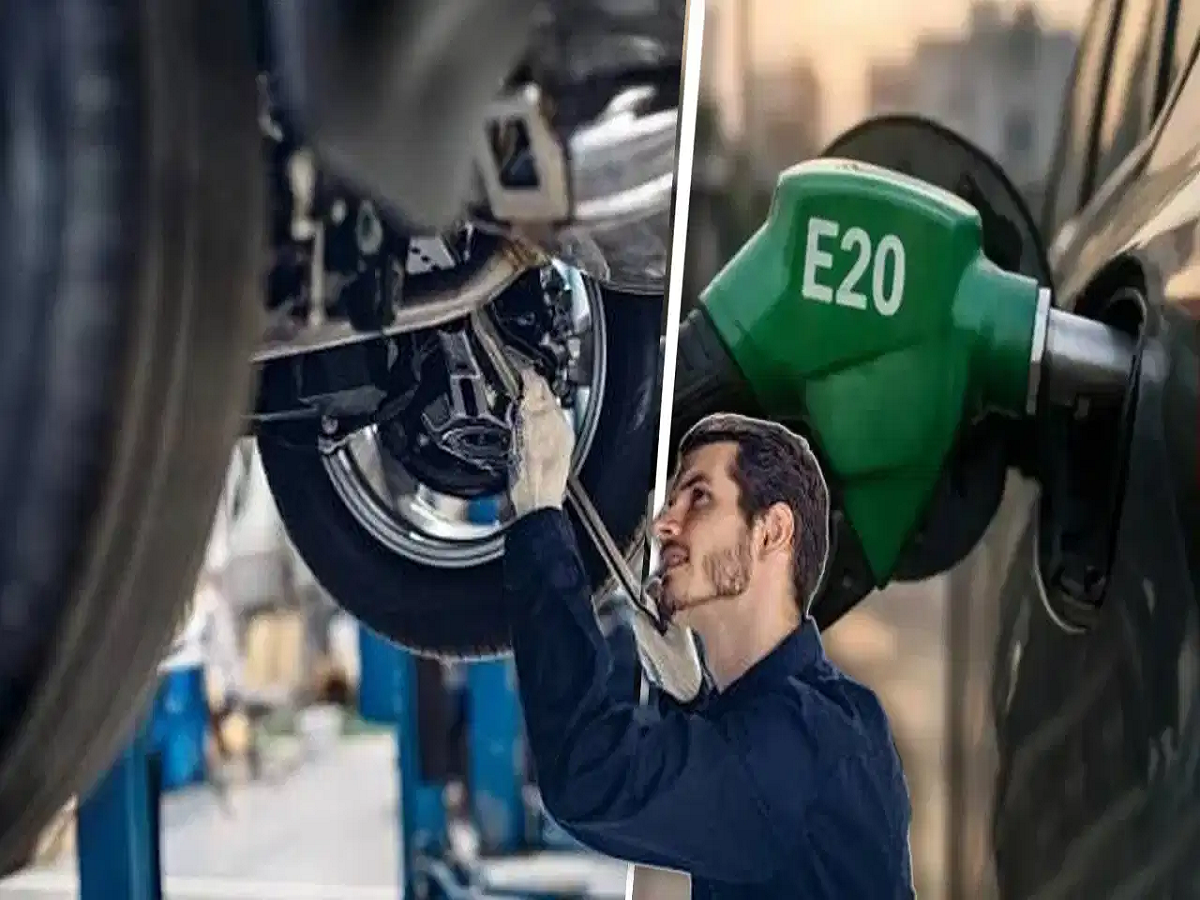
The debate over E20 petrol has raised concerns among many vehicle owners, particularly about its impact on engine performance and long-term reliability. Addressing these concerns in Parliament, the Central Government stated that it has found no evidence linking E20 petrol to engine damage or widespread vehicle failures.
The clarification came during a discussion in the Rajya Sabha, where the government outlined the scientific testing and phased rollout behind the introduction of E20 fuel.
Government Says No Confirmed Engine Damage
Minister of State for Petroleum and Natural Gas Suresh Gopi informed the Rajya Sabha that more than 23 crore vehicles across India are currently using E20 petrol. According to the government, this includes:
- Over 20 crore two-wheelers
- More than 3 crore petrol-powered cars
- A significant number of older vehicles that were not originally certified for E20 fuel
Despite this large-scale adoption, the government said no confirmed cases of engine damage or vehicles breaking down solely because of E20 petrol have been reported.
E20 Was Introduced Gradually
The government emphasized that ethanol blending was implemented in phases rather than all at once.
According to the statement:
- Ethanol blending stood at 1.53% during 2013–14
- It was gradually increased over several years
- The target of 20% ethanol blending (E20) was achieved in 2025–26 after multiple rounds of scientific evaluation and expert consultation
Extensive Testing Before Rollout
Before increasing ethanol content, authorities conducted laboratory studies, road trials, and long-term vehicle testing.
The evaluation involved several organizations, including:
- NITI Aayog
- Automotive Research Association of India (ARAI)
- Society of Indian Automobile Manufacturers (SIAM)
- Indian Institute of Petroleum (IIP)
- Oil marketing companies
- Automobile manufacturers
The tests assessed various aspects such as:
- Engine durability
- Fuel system performance
- Corrosion resistance
- Fuel efficiency
- Vehicle performance
- Emissions
What About Fuel Efficiency?
The government cited feedback from automobile manufacturers while responding to concerns over mileage.
According to the information shared:
- One major passenger vehicle manufacturer serviced 28.4 million vehicles during FY 2025–26, including around 15 million older vehicles, and reportedly found no confirmed damage caused by E20 petrol.
- A leading two-wheeler manufacturer also reported no increase in vehicle breakdowns linked specifically to E20 fuel.
However, the government acknowledged that some older vehicles originally designed for E10 petrol may experience a fuel-efficiency reduction of around 3% to 5%.
At the same time, it noted that E20 petrol offers a higher octane rating, which may help reduce engine knocking and support cleaner combustion.
No Plans Beyond E20 for Now
The government also clarified that there is currently no decision to introduce ethanol blends higher than E20, such as E30.
If higher ethanol blends are considered in the future, they will first undergo:
- Scientific research
- Technical testing
- Consultation with automobile manufacturers and other stakeholders
The government further stated that there are no current plans to sell separate ethanol-free or low-ethanol petrol at fuel stations.
Focus on Cleaner Fuels
According to the government's statement, the objective of ethanol blending is to promote cleaner fuels, reduce emissions, and support India's broader energy and environmental goals while ensuring vehicle compatibility through scientific evaluation.
Disclaimer: This article summarizes statements made by the Government of India in Parliament. Vehicle owners should continue to follow the fuel recommendations provided in their vehicle owner's manual and consult their vehicle manufacturer or authorized service center if they have compatibility concerns.