LIFESTYLE
World Lung Cancer Day: Who Needs Lung Cancer Screening? Experts Reveal When It Can Save Lives
World Lung Cancer Day is observed every year on August 1 to spread awareness about lung health and encourage the early detection of lung cancer. While smoking remains the leading cause of the disease, air pollution and other environmental factors also contribute to the growing number of cases.
Interestingly, not every smoker develops lung cancer, and some people who have never smoked can also be diagnosed with the disease. This raises an important question—who should undergo lung cancer screening, and when is it necessary?
Lung cancer screening is not for everyone
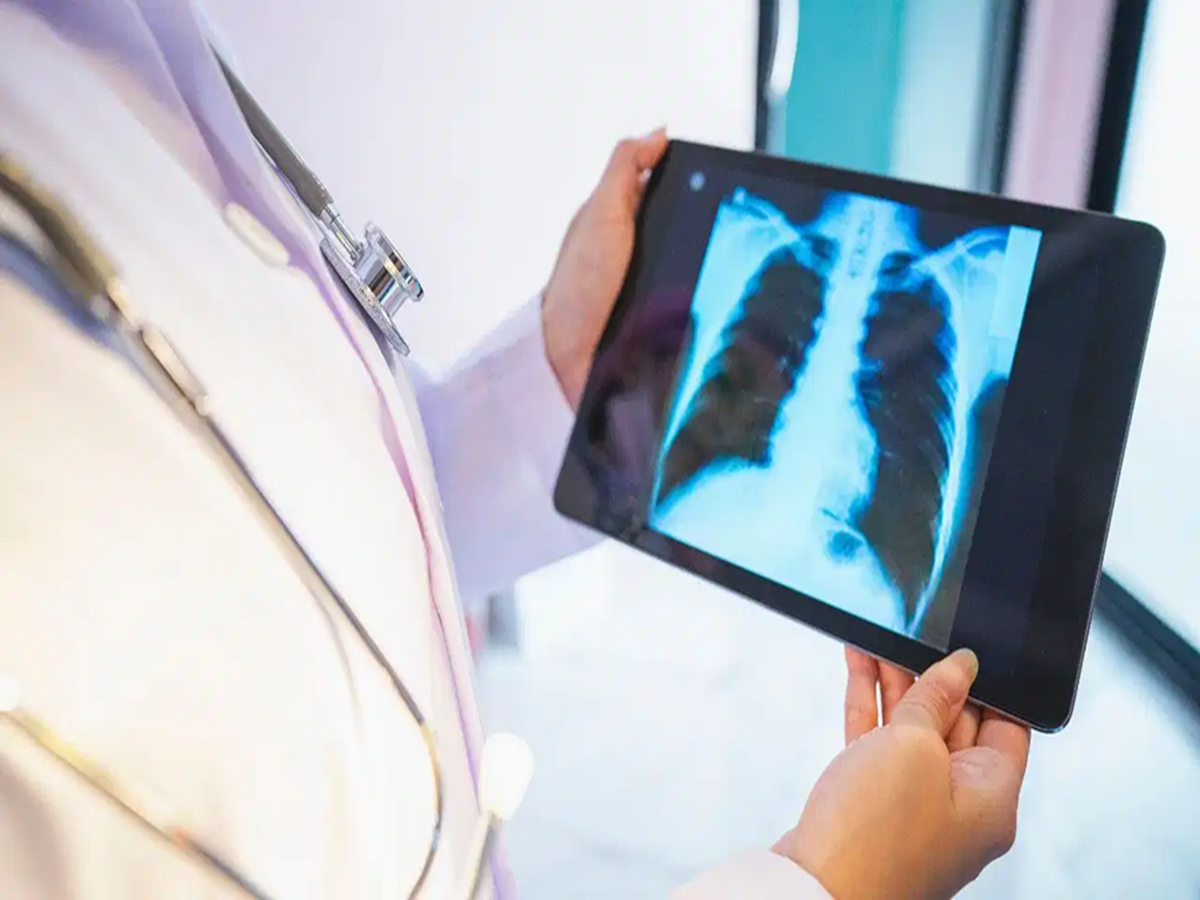
Pulmonologists explain that lung cancer screening is meant for people who are at high risk but do not have any symptoms. Many believe that an annual chest X-ray or a full-body health check-up is enough to detect lung cancer early, but that is not the case.
The recommended screening test is a Low-Dose CT (LDCT) scan, which is specifically designed to detect lung cancer at an early stage when treatment is more likely to be successful.
Who should consider lung cancer screening?
Experts generally recommend screening for people who meet the following criteria:
-
Adults between 50 and 80 years of age.
-
Those with a smoking history of at least 20 pack-years.
-
Current smokers.
-
People who quit smoking within the past 15 years.
Individuals who fall into these categories should discuss screening with their doctor to determine whether it is appropriate for them.
Why is a Low-Dose CT (LDCT) scan used?
Unlike a standard chest X-ray, a Low-Dose CT scan can detect small lung abnormalities at an earlier stage. It also exposes patients to significantly less radiation than a conventional CT scan.
For eligible individuals, doctors may recommend undergoing an LDCT scan once a year to monitor lung health and improve the chances of detecting cancer before symptoms appear.
Symptoms that should never be ignored
If you already have symptoms, screening is no longer the right approach. Instead, you should seek immediate medical evaluation if you experience:
-
A persistent cough that does not improve
-
Coughing up blood
-
Unexplained weight loss
-
Ongoing chest pain
-
New or worsening shortness of breath
These symptoms require a complete medical assessment to identify the underlying cause.
Early detection can save lives
The purpose of lung cancer screening is not to diagnose everyone but to identify the disease early in people who are most at risk. Detecting lung cancer before symptoms develop gives doctors a better opportunity to begin treatment early, which can significantly improve outcomes.
If you have a long history of smoking or belong to a high-risk group, speaking with your doctor about lung cancer screening could be an important step toward protecting your health.