LIFESTYLE
Your Helmet May Look Brand New, But Its Protection Could Be Expired! Know When You Should Replace It
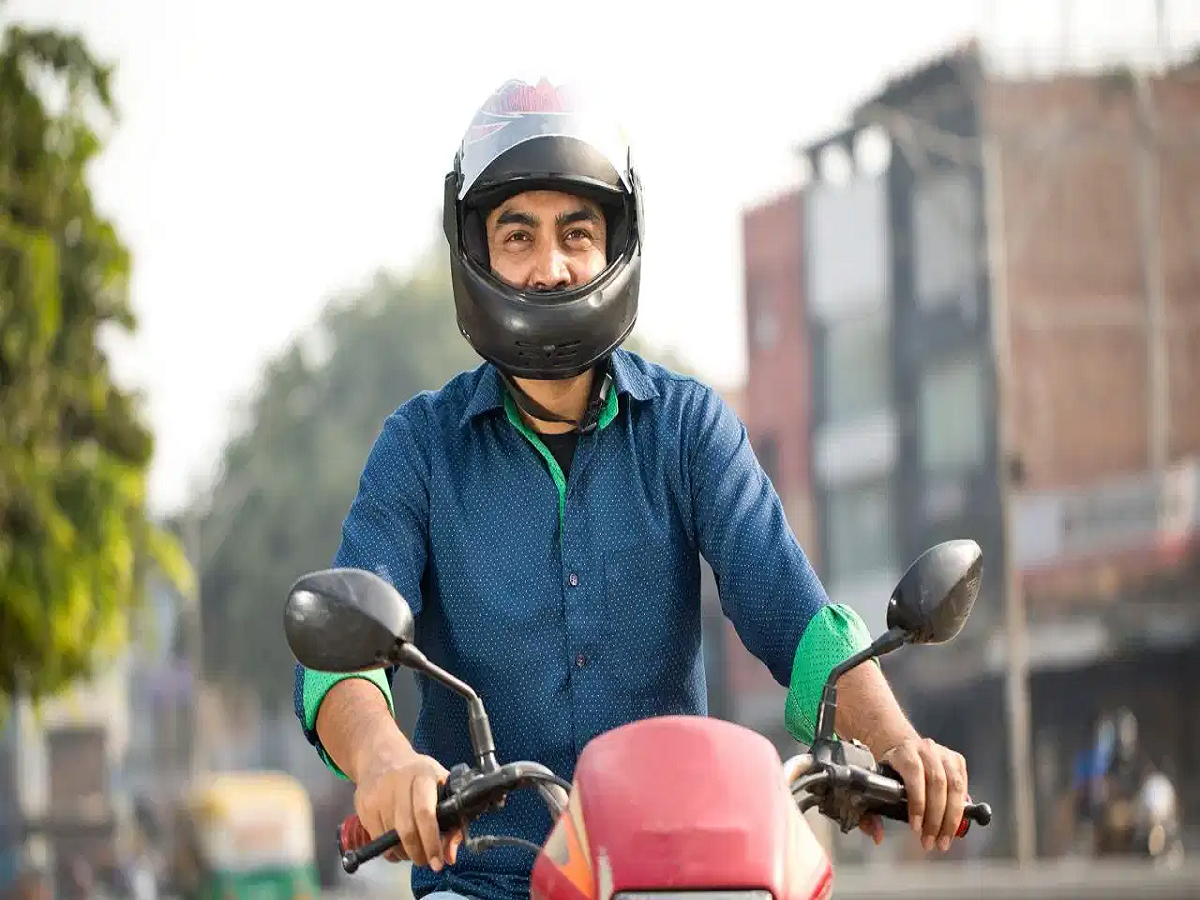
Wearing a helmet is essential for anyone riding a motorcycle or scooter. However, many riders replace their helmets only when they develop visible cracks or become unusable. What most people do not realise is that a helmet also has a limited lifespan. Even if it looks perfectly fine from the outside, its internal protective material may gradually lose its ability to absorb impact.
A helmet is designed to protect your head during an accident, but its effectiveness can reduce with age, regular usage and environmental exposure. So, how long should you actually use the same helmet, and when is it time to buy a new one? Here is everything you need to know.
How Many Years Can You Use the Same Helmet?
Safety experts and several leading helmet manufacturers generally recommend replacing a helmet after approximately three to five years of regular use.
Manufacturers such as Arai and Shoei also provide guidelines regarding helmet replacement and ageing. However, the actual replacement period depends on the manufacturer's instructions, usage conditions and the condition of the helmet.
According to Arai's guidance, a helmet should not be used beyond seven years from its manufacturing date, even if it has never been worn. This means that simply keeping a helmet unused for several years does not preserve its protective capabilities indefinitely.
Therefore, always check the manufacturing date and replacement recommendations before purchasing or continuing to use a helmet.
Why Does a Helmet Become Weak Even When It Looks Perfect?
Many riders assume that a helmet remains safe as long as its outer shell has no visible cracks or scratches. However, the most important part of its protective structure is not always visible.
Inside the helmet is a special impact-absorbing layer known as Expanded Polystyrene (EPS) foam. This material is designed to compress during an accident and absorb energy, reducing the force transmitted to the head.
Over time, regular use and environmental conditions can affect different helmet components.
Some factors that can contribute to deterioration include:
-
Sweat and moisture: Regular exposure to sweat and moisture can affect the helmet's comfort materials and internal components.
-
Heat and sunlight: Prolonged exposure to ultraviolet radiation and extreme temperatures can contribute to material ageing.
-
Hair oil and dirt: Frequent contact with hair products, dust and accumulated dirt can affect the interior padding.
-
Regular wear and tear: Repeated use, handling and improper storage can gradually damage different components.
It is important to remember that the EPS liner does not necessarily deteriorate at the same rate in every helmet. Its condition and the manufacturer's replacement guidelines should always be considered.
Replace Your Helmet Immediately in These Situations
You should not wait for the recommended replacement period if your helmet experiences significant damage. Certain situations require immediate replacement, even when the exterior appears undamaged.
1. After a Road Accident
If your helmet has been involved in an accident where it absorbed an impact, replace it. The EPS liner may have compressed internally, even if there are no visible cracks on the outer shell.
2. If It Falls From a Significant Height
A helmet that experiences a strong impact after falling onto a hard concrete surface may suffer internal damage. If you suspect a significant impact, have it assessed according to the manufacturer's guidance or replace it if its condition is uncertain.
3. When the Helmet Becomes Loose
A helmet should fit snugly around your head without causing excessive discomfort. If it becomes loose, moves excessively or slips out of position when you move your head, its protective fit may be compromised.
A poorly fitting helmet may not provide the intended protection during an accident.
4. When You Notice Cracks or Damaged Components
Visible cracks in the outer shell, damaged straps, faulty buckles or deteriorating protective components are warning signs. Do not ignore them simply because the helmet still appears wearable.
How to Make Your Helmet Last Longer
You can maintain your helmet's condition by following a few simple precautions:
-
Avoid leaving your helmet exposed to direct sunlight for long periods.
-
Store it in a cool, dry place.
-
Clean the interior using manufacturer-approved methods.
-
Avoid dropping or throwing your helmet.
-
Never hang it from a motorcycle mirror for prolonged periods if this puts pressure on the interior.
-
Check the chin strap, buckle and padding regularly.
The Bottom Line
A helmet is not just a legal requirement; it is one of the most important safety accessories for two-wheeler riders. Its protective ability depends on the condition of its outer shell, EPS liner, straps and overall fit.
Do not wait until your helmet develops visible damage before considering a replacement. Check its manufacturing date, follow the manufacturer's recommendations and replace it immediately after a significant impact. A timely replacement could make a crucial difference when an accident happens.